Introduction
After a major storm, many homeowners wonder how to tell if a house roof has hail damage. Hail can cause both visible and hidden issues that affect your roof’s lifespan and your home’s safety. The earlier you identify damage, the easier it is to prevent costly repairs and file insurance claims correctly.
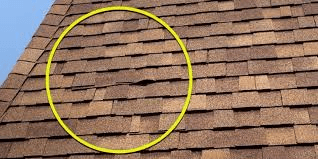
Why Hail Damage Matters
According to the National Oceanic and Atmospheric Administration (NOAA), hail causes billions of dollars in property damage every year in the U.S. Roofs are especially vulnerable since they take the direct impact of falling hail.
Read too: Hail Damage Roof Repair: Essential Guide to Restoring Your Home’s Protection
Ignoring hail damage can lead to:
- Water leaks and interior damage
- Mold growth in attic or ceilings
- Shortened roof lifespan
- Insurance coverage complications
Key Signs of Hail Damage on a Roof
1. Dents and Bruises on Shingles
Look for soft spots, dark marks, or dents on asphalt shingles. If pressed, they may feel spongy—similar to a bruise on fruit.
2. Granule Loss
Hail often knocks off the protective granules on shingles. Check gutters and downspouts for excessive shingle granules.
3. Cracked or Broken Shingles
Hailstones larger than 1 inch can crack shingles, leaving sharp or jagged edges that weaken roof protection.
4. Damaged Flashing and Vents
Inspect metal components like flashing, chimney caps, and vents. Dings or dents are strong signs of hail impact.
5. Ceiling Leaks Inside the Home
Water stains on ceilings or walls inside your home often indicate hail-related roof damage.
Step-by-Step: How To Tell If A House Roof Has Hail Damage
- Check the Ground First – Look for hail damage on siding, fences, or cars near your home. If these show dents, your roof likely has damage too.
- Inspect Gutters and Downspouts – Find dents or clogged sections filled with granules.
- Examine Roof Shingles – Carefully climb a ladder and look for bruising, cracks, or missing granules.
- Look at Metal Surfaces – Check vents, flashing, skylight frames, and chimney caps for dents.
- Check Attic and Ceilings – Search for water stains, damp insulation, or light leaks.
- Document Everything – Take clear photos for insurance claims.
👉 Safety Note: If you’re not comfortable climbing a roof, hire a professional inspector.
DIY vs. Professional Hail Damage Inspection
| Method | Pros | Cons |
|---|---|---|
| DIY Inspection | Free, quick, immediate after storm | Easy to miss subtle or hidden damage |
| Professional Check | Accurate, insurance-approved reports | Costs $150–$400 depending on location |
Expert Tip: Many roofing contractors offer free storm damage inspections—especially after severe weather.
Risks of Ignoring Hail Damage
The Insurance Information Institute reports that hail-related claims are among the top three most common homeowners’ insurance claims. Skipping inspection could cost thousands later.
Consequences include:
- Voided roof warranties
- Denied insurance claims if reported too late
- Structural damage spreading beyond the roof
External Reference
For general knowledge about hail formation and effects, see Hail on Wikipedia.
FAQ: How To Tell If A House Roof Has Hail Damage
1. How big does hail need to be to damage a roof?
Hailstones as small as ¾ inch can damage asphalt shingles. Larger hail (1 inch+) almost always causes visible damage.
2. Can hail damage be invisible?
Yes. Some bruises and granule loss aren’t noticeable without close inspection, which is why professional checks are recommended.
3. Does insurance cover hail damage?
Most standard homeowners’ insurance policies cover hail damage, but it must be reported quickly after the storm.
4. How soon should I inspect my roof after hail?
Ideally within 24–48 hours. The longer you wait, the harder it is to connect damage directly to the storm for insurance purposes.
5. What roofing materials resist hail better?
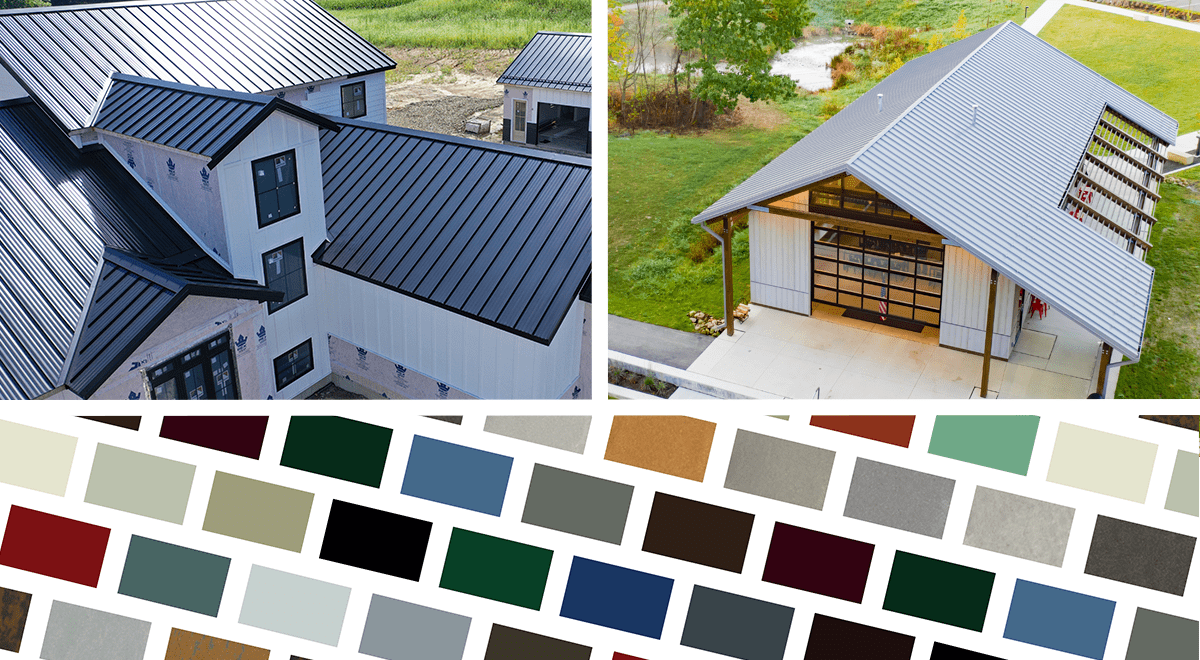
Metal, impact-resistant shingles, and slate tend to perform better against hail than standard asphalt shingles.
Conclusion
Knowing how to tell if a house roof has hail damage can save you from costly repairs and insurance headaches. From checking shingles and gutters to inspecting ceilings inside, a quick evaluation after a storm makes a huge difference.
If this guide helped you, share it with friends and neighbors—especially those in hail-prone areas. It might help them protect their homes too.

Leave a Reply