If you’re planning to build or upgrade a poultry house, one of the first design choices you’ll face is the roof type. Many farmers struggle to understand What Are The Different Types Of Roofs For Poultry Houses and how each option affects temperature, ventilation, and long-term costs.
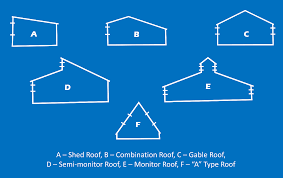
The wrong roof can lead to heat stress, poor airflow, and even higher mortality rates in your birds. In this guide, we’ll walk you step-by-step through the most common poultry house roof types, backed by real data and expert insights, so you can make the best decision for your farm.
What Are The Different Types Of Roofs For Poultry Houses and Why Do They Matter?
The roof in a poultry house is not just a cover—it’s a critical system that controls heat, airflow, moisture, and comfort.
Read too: How Long Do Standing Seam Metal Roofs Last? A Comprehensive Guide to Durability and Longevity
According to poultry housing studies by agricultural engineering departments in the US, poor roof design contributes to up to 35% of heat-related poultry stress in warm climates. That directly impacts growth rate, egg production, and feed efficiency.
A good roof helps:
- Regulate indoor temperature
- Improve ventilation and airflow
- Reduce moisture buildup
- Increase bird productivity
- Extend the life of your structure
Let’s explore the different types of roofs used in poultry houses and how each one performs.
1. Gable Roof (Most Common Poultry House Roof)
A gable roof is one of the most widely used designs in poultry housing. It has two sloping sides that meet in the middle, forming a triangular shape.
Key Benefits
- Excellent natural ventilation
- Easy and affordable to build
- Suitable for both small and large poultry farms
Ideal For:
Farmers in moderate climates with good airflow requirements.
Real-World Use Case
Most commercial poultry farms in the Midwest USA use gable roofs because they allow hot air to rise and escape through ridge ventilation openings.
2. Monitor Roof (Best for Large Commercial Poultry Farms)
The monitor roof has a raised center section with ventilators or windows on the sides, allowing continuous air movement.
Advantages
- Superior ventilation
- Reduces summer heat stress significantly
- Supports larger bird populations
Disadvantages
- Higher construction cost
- Requires careful engineering
Expert Insight
According to agricultural construction research, monitor roofs can reduce internal poultry house temperatures by 4–7°F during peak summer.
3. Flat Roof (Low-Cost But Limited Performance)
A flat roof is horizontal or slightly sloped for drainage.
Pros
- Low initial construction cost
- Easy to install
Cons
- Poor ventilation without mechanical systems
- Not suitable for heavy rainfall or snow areas
Best Use
Flat roofs are more common in regions with dry climates and where budget is a limiting factor.
4. Shed Roof (Single Slope Roof)
A shed roof slopes in only one direction.
Why Farmers Choose Shed Roofs:
- Simple structural design
- Easier rainwater drainage
- Affordable material usage
Weak Points:
- Uneven airflow if not properly designed
- Requires correct orientation relative to wind
This roof is commonly used for backyard poultry setups and small-scale farms.
5. Gambrel Roof (Barn Style Roof)
The gambrel roof, also called a barn roof, has two slopes on each side — a shallow slope on top and a steeper one below.
Advantages:
- More interior space
- Excellent for storage and ventilation
- Classic farm aesthetics
Disadvantages:
- More complex construction
- Higher labor and material costs
Gambrel roofs are popular in cold climates because they prevent snow buildup.
6. A-Frame Roof
An A-frame roof is a steep triangular roof, resembling the letter “A”.
Benefits:
- Great for snow and rainfall runoff
- Strong and long-lasting against harsh weather
Drawbacks:
- Can be more expensive
- May require advanced carpentry skills
Comparison Table: Poultry Roof Types
| Roof Type | Cost | Ventilation | Durability | Best Climate |
|---|---|---|---|---|
| Gable | Low | High | Moderate | Moderate |
| Monitor | High | Excellent | High | Hot |
| Flat | Low | Low | Low | Dry |
| Shed | Medium | Medium | Medium | Mild |
| Gambrel | High | High | Very High | Cold |
| A-Frame | High | Medium | Very High | Snow/Rain |
Which Roof Is Best for Hot Climates?
For hotter regions like parts of Texas, Arizona, or California, monitor roofs and gable roofs with ridge ventilation are the best options.
Why?
Because heat rises. These designs allow hot air to naturally escape while drawing cooler air from side openings.
Studies show that heat stress can reduce poultry feed intake by up to 20%, impacting growth and egg production significantly.
Which Roof Type Works Best for Cold Climates?
In cold regions, such as the northern US, gambrel and A-frame roofs perform best.
They:
- Prevent snow accumulation
- Retain heat inside the poultry house
- Reduce structural damage from snow loads
Do Roofing Materials Matter?
Absolutely. The type of roof material affects heat absorption and durability.
Common Poultry Roof Materials:
- Corrugated metal sheets
- GI sheets (galvanized iron)
- Thatch or organic materials (traditional farms)
- Polycarbonate roofing
Metal roofs are most popular due to durability, but they absorb heat. Many farmers pair them with insulation sheets to reduce internal temperatures.
You can read more about general roof structures and materials on Wikipedia’s roof engineering page:
👉 https://en.wikipedia.org/wiki/Roof
Step-by-Step: How to Choose the Right Roof for Your Poultry House
Follow this simple process:
Step 1: Analyze Your Climate
- Hot = Monitor or ventilated gable
- Cold = Gambrel or A-frame
- Dry = Flat or shed
Step 2: Define Your Budget
- Low budget → Flat or shed roof
- Medium budget → Gable roof
- High budget → Monitor or gambrel roof
Step 3: Consider Farm Size
- Small backyard setup → Shed or gable
- Commercial farm → Monitor or gambrel
Step 4: Plan Ventilation
For houses more than 50 feet long, install ridge vents or mechanical fans to ensure proper airflow.
Advantages vs Disadvantages of Different Roof Types
Pros:
✅ Improved ventilation
✅ Better temperature control
✅ Higher poultry productivity
✅ Longer building lifespan
Cons:
❌ Higher installation costs for advanced designs
❌ Requires proper planning and construction
❌ Some roofs may need additional insulation
Why Proper Roofing Improves Poultry Productivity
A study in animal housing systems found that poultry productivity increases by 10–18% when temperature and ventilation are optimized.
When birds are comfortable:
- They eat more efficiently
- Egg laying improves
- Mortality rates drop
- Disease risk decreases
So choosing the right roof is not just a construction decision—it’s a business improvement strategy.
FAQ: What Are The Different Types Of Roofs For Poultry Houses
Q1: What is the most common poultry house roof?
A: The gable roof is the most commonly used due to its low cost, good ventilation, and simple construction.
Q2: Which roof is best for hot climates?
A: The monitor roof is best for hot climates, as it allows hot air to escape through elevated vents, reducing heat stress.
Q3: Are metal roofs good for poultry houses?
A: Yes, metal roofs are durable and affordable, but they require insulation to reduce heat absorption.
Q4: How does roof design affect poultry health?
A: Poor roof design leads to higher humidity and heat stress, increasing disease risk and lowering productivity.
Q5: Can I use a flat roof for poultry housing?
A: Flat roofs are possible but not recommended for large-scale farms due to poor ventilation and drainage limitations.
Conclusion
Now you fully understand What Are The Different Types Of Roofs For Poultry Houses and how to choose the right one based on climate, budget, and farm size.
The right roof design can significantly improve bird comfort, ventilation, and profitability. Whether you’re running a backyard coop or a commercial poultry farm, making smart roofing choices is an investment that pays off long-term.
If this guide helped you, feel free to share it with fellow farmers and builders on social media to help others make smarter poultry housing decisions.

Leave a Reply