If you’ve ever admired the charm of traditional adobe houses, you may have wondered what are the roofs on traditional adobe houses made of. These roofs are not only functional but also contribute to the unique aesthetic of Southwestern and Latin American architecture. Understanding their materials and construction methods can help homeowners, historians, and architecture enthusiasts appreciate their durability and cultural significance.
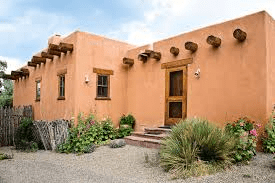
Overview of Traditional Adobe Roofs
Traditional adobe houses are primarily built from sun-dried mud bricks, and their roofs are designed to complement the heavy, thick walls. The roof must be lightweight yet durable, provide insulation, and withstand the local climate—typically hot, dry, or occasionally rainy regions.
Read too: Is It Reasonable to Ask the Seller to Replace the Roof?
Key Components of Adobe Roofs:
- Vigas (Wooden Beams): The primary structural support spanning the width of the house.
- Latillas (Smaller Wooden Slats): Laid perpendicular over vigas to create a base for the roof covering.
- Roof Covering: Typically a combination of brush, reeds, or clay tiles.
- Plaster Layer: Often applied over the roof covering to prevent leaks and add thermal insulation.
According to Wikipedia, adobe construction has been used for centuries due to its energy efficiency, fire resistance, and ease of material sourcing.
Detailed Breakdown of Roof Components
1. Vigas
Vigas are the thick wooden beams that form the main skeleton of the roof. They are often made from pine, cedar, or juniper and are visible from the interior, contributing to the rustic aesthetic of adobe homes.
Functions:
- Support the weight of latillas and roof covering
- Allow ventilation between beams in some traditional designs
- Serve as a design element in Southwestern architecture
2. Latillas
Latillas are smaller wooden poles or slats placed across vigas. They form a secondary support layer, often covered with natural materials to hold the plaster or tile roof.
3. Roof Covering Materials
Traditional adobe roofs use a variety of coverings depending on local resources and climate:
- Brush or branches: Lightweight and ideal for hot, dry climates
- Reeds or cane mats: Provide insulation and ease of installation
- Clay tiles: Heavy but durable; common in areas with more rainfall
4. Plaster or Mud Layer
A layer of mud plaster or lime-based plaster is applied over the roof covering. This protects against water infiltration, reduces dust, and enhances thermal insulation.
Advantages and Disadvantages
| Feature | Advantages | Disadvantages |
|---|---|---|
| Vigas (Wood Beams) | Strong, visually appealing | May require termite protection |
| Latillas (Slats) | Lightweight, easy to install | Can warp or crack over time |
| Clay or Brush Covering | Natural insulation, aesthetically authentic | May need periodic maintenance |
| Plaster Layer | Protects from leaks, adds thermal benefits | Requires regular upkeep in wet areas |
Insight: Adobe roofs are eco-friendly, thermally efficient, and culturally significant, but they require periodic maintenance, especially in wetter climates.
Step-by-Step Traditional Roof Construction
- Install Vigas: Lay beams across the adobe walls, ensuring they are level and securely embedded.
- Lay Latillas: Place smaller slats perpendicular to vigas to form the secondary support layer.
- Add Roof Covering: Cover latillas with brush, reeds, or clay tiles depending on desired style and local resources.
- Apply Plaster Layer: Spread mud or lime plaster evenly to seal gaps and provide weather resistance.
- Finishing Touches: Ensure proper roof drainage by slightly sloping the roof and reinforcing vulnerable areas.
Pro Tip: Adobe roofs are heavy; ensure vigas are sized appropriately and walls can support the weight.
Maintenance Tips
- Inspect for cracks in plaster or tiles at least twice a year
- Replace deteriorated latillas or vigas immediately
- Reapply plaster layer periodically to prevent leaks
- Remove debris such as leaves or sticks to avoid water retention
FAQ Section
Q1: Are adobe roofs suitable for rainy climates?
A1: Traditional adobe roofs work best in dry climates. In areas with heavy rain, reinforced plaster and tile layers are essential to prevent water damage.
Q2: How long do adobe roofs last?
A2: With proper maintenance, adobe roofs can last 50–100 years, depending on material quality and climate.
Q3: Can modern materials be used for adobe roofs?
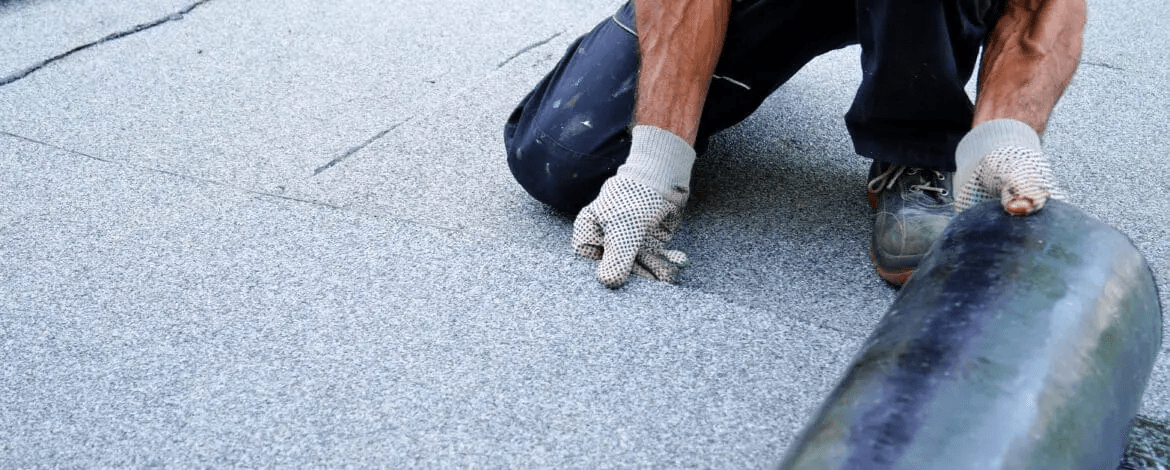
A3: Yes, modern alternatives like waterproof membranes or treated wooden beams can increase longevity while maintaining the traditional look.
Q4: Are adobe roofs energy efficient?
A4: Absolutely. The combination of thick walls and insulating roof materials keeps homes cool in summer and warm in winter.
Q5: Do adobe roofs require professional construction?
A5: Yes, traditional construction requires skill to balance structural integrity with authentic design. Improper installation can lead to collapse or water damage.
Conclusion
Understanding what are the roofs on traditional adobe houses made of helps homeowners and enthusiasts appreciate the blend of functionality and cultural beauty. From vigas and latillas to clay tiles and plaster, each component contributes to a durable, energy-efficient, and visually striking roof.
Share this guide with friends or family to spread knowledge about traditional adobe architecture and maintenance!
Leave a Reply