Many homeowners, DIY beginners, and even real estate buyers often ask what is name of wood that on a house roof when they look inside an attic or during renovations. Roofs use several different types of wood, each serving a specific structural or protective role. This guide explains the correct names, functions, and differences in a simple, beginner-friendly way.
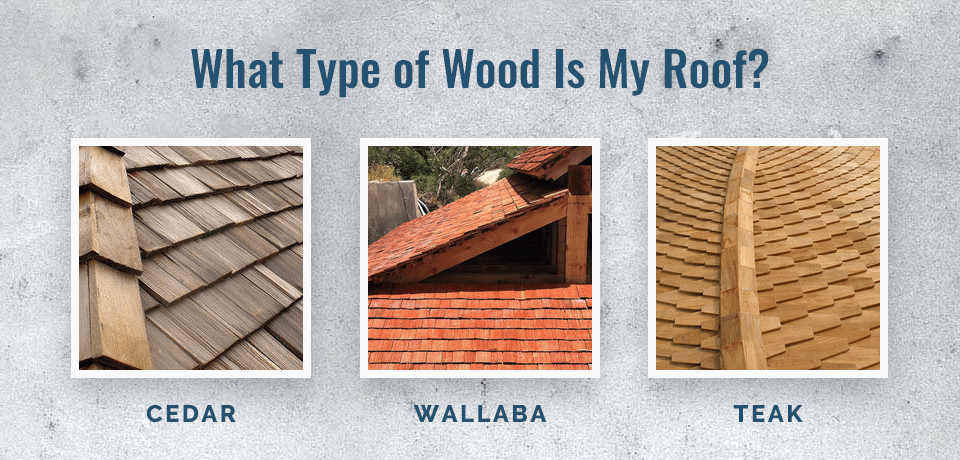
What Is Name Of Wood That On A House Roof? (Quick Answer)
There is not just one type of wood on a house roof. Instead, several wood components work together to support, shape, and protect the roof.
The most common names of wood used on a house roof are:
- Rafters
- Trusses
- Roof decking (sheathing)
- Purlins
- Battens
- Fascia boards
Read too: How Long Do Standing Seam Metal Roofs Last? A Comprehensive Guide to Durability and Longevity
Each has a different job, and understanding these terms helps you communicate clearly with contractors and inspectors.
Why Are There Different Types of Wood on a Roof?
Roof systems are designed to handle:
- Weight of roofing materials
- Snow and wind loads
- Temperature changes
- Long-term structural stress
According to building science data, over 70% of roof failures are related to framing or decking issues, not the roofing surface itself. That’s why choosing the right type of roof wood matters.
Main Structural Wood on a House Roof
1. Rafters (Most Common Answer)
Rafters are the sloped wooden beams that form the main framework of a roof.
What rafters do
- Support roof weight
- Transfer load to exterior walls
- Determine roof pitch
Common materials
- Pine
- Douglas fir
- Spruce
Rafters are usually spaced 16 or 24 inches apart, depending on building codes and roof load requirements.
Pros vs Cons
| Pros | Cons |
|---|---|
| Strong and durable | Require skilled installation |
| Easy to customize | More labor-intensive |
| Common in older homes | Uses more lumber |
2. Roof Trusses (Modern Alternative)
Trusses are pre-engineered triangular wood frames used in many modern homes.
Why builders use trusses
- Faster installation
- Lower labor cost
- Consistent strength
Trusses are factory-built and installed on-site, making them popular in new construction.
Key difference: Rafters are built on-site, while trusses are manufactured off-site.
Wood That Covers the Roof Frame
3. Roof Decking (Roof Sheathing)
When people ask what is name of wood that on a house roof, they are often referring to roof decking.
What roof decking is
- Flat wooden panels installed over rafters or trusses
- Base layer for shingles or metal roofing
Common materials
- Plywood
- OSB (Oriented Strand Board)
According to construction standards, 7/16-inch OSB is the most commonly used roof decking in US homes.
For a general definition of roof decking materials, you can refer to Wikipedia’s overview of roof construction (authoritative source):
https://en.wikipedia.org/wiki/Roof
4. Purlins (Additional Roof Support)
Purlins are horizontal wooden beams that run perpendicular to rafters.
Where purlins are used
- Long roof spans
- Metal roofing systems
- Agricultural and older homes
Purlins help distribute roof weight evenly and reduce sagging.
Wood Used for Roofing Installation Support
5. Battens (Roof Strips)
Battens are thin wooden strips attached over rafters or decking.
Purpose of battens
- Hold roof tiles or shingles
- Create ventilation space
- Improve drainage
Battens are common under:
- Clay tiles
- Concrete tiles
- Slate roofing
6. Fascia Boards (Edge Roof Wood)
Fascia boards run along the roof’s edge and support the gutter system.
Why fascia boards matter
- Protect roof edges
- Provide a finished appearance
- Support gutters
They are usually made from treated wood or composite materials for moisture resistance.
What Type of Wood Is Typically Used on Roofs?
| Roof Component | Common Wood Type |
|---|---|
| Rafters | Pine, Douglas fir |
| Trusses | Spruce, pine |
| Decking | OSB, plywood |
| Battens | Treated softwood |
| Fascia | Treated lumber |
Softwoods are preferred because they are:
- Lightweight
- Strong for their weight
- Cost-effective
- Easy to work with
Is the Wood on a Roof Treated or Untreated?
Most roof wood is untreated, except for areas exposed to moisture.
Treated wood is used for
- Fascia boards
- Areas near roof edges
- Locations with high humidity
Interior roof framing remains untreated because it stays dry and protected.
How to Identify Roof Wood in Your House (Step-by-Step)
Step 1: Go to the Attic
Use proper lighting and safety gear.
Step 2: Look at the Shape
- Slanted beams = Rafters
- Triangular frames = Trusses
Step 3: Check the Flat Panels
- Large sheets = Roof decking
Step 4: Examine Roof Edges
- Horizontal boards at gutter line = Fascia
This process helps homeowners understand their roof structure without technical training.
Common Mistakes People Make About Roof Wood
- ❌ Thinking shingles are wood (they are roofing material, not structure)
- ❌ Confusing rafters with trusses
- ❌ Assuming all roof wood is the same
- ❌ Ignoring moisture damage signs
Learning the correct names helps prevent miscommunication during repairs.
Does Roof Wood Affect Home Value?
Yes—indirectly.
Homes with:
- Solid roof framing
- Undamaged decking
- Proper ventilation
…tend to pass inspections more easily and maintain higher resale value. Roof structural issues can reduce a home’s value by 10–15% if major repairs are needed.
FAQ: What Is Name Of Wood That On A House Roof?
Q1: What is the main wood on a house roof called?
The main structural wood is called rafters or trusses, depending on the construction.
Q2: What is the flat wood under shingles called?
That is called roof decking or roof sheathing.
Q3: Is plywood used on roofs?
Yes. Plywood and OSB are the most common roof decking materials.
Q4: Are roof beams and rafters the same thing?
Roof beams are larger load-bearing elements, while rafters are smaller sloped members.
Q5: Can roof wood be replaced without changing shingles?
In some cases, yes—but damaged decking usually requires shingle removal.
Conclusion
So, what is name of wood that on a house roof? The correct answer depends on the part you’re referring to—rafters, trusses, roof decking, purlins, battens, or fascia boards all play important roles. Understanding these terms helps homeowners make smarter decisions, communicate clearly with contractors, and protect long-term home value.
Leave a Reply