Seeing water drip from your ceiling is stressful—and it often happens at the worst possible time. Knowing what to do if inside roof is leaking in house can help you minimize damage, protect your family, and reduce repair costs. This practical guide walks you through exactly what to do, step by step, even if you’ve never dealt with a roof leak before.
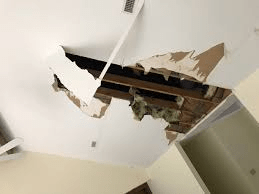
What To Do If Inside Roof Is Leaking In House Immediately
The first few minutes matter the most. Your goal is to control the water and prevent further damage.
Read too: How Long Do Standing Seam Metal Roofs Last? A Comprehensive Guide to Durability and Longevity
Step 1: Protect People and Electrical Safety
- Move people away from the leaking area
- If water is near lights, outlets, or ceiling fans, turn off electricity in that zone at the breaker
- Never touch wet electrical fixtures
⚠️ Safety always comes first.
Step 2: Contain the Water Quickly
Once safety is addressed, focus on damage control.
What To Do Right Away
- Place buckets or large containers under the leak
- Use towels or rags to absorb splashing
- If the ceiling is bulging, carefully poke a small hole with a screwdriver to drain water into a bucket
📌 This controlled release can prevent the ceiling from collapsing.
Step 3: Relieve Water Pressure in the Ceiling
If water is pooling above drywall, pressure builds up.
How to Do It Safely
- Put a bucket under the bulge
- Use a screwdriver or nail
- Make a small hole only
- Let water drain slowly
This may feel counterintuitive, but it often reduces structural damage.
What Causes an Inside Roof Leak?
Understanding the cause helps determine whether this is a quick fix or a bigger issue.
Common Causes of Roof Leaks
- Damaged or missing shingles
- Cracked flashing around chimneys or vents
- Ice dams in cold climates
- Clogged gutters backing up water
- Old or deteriorated roofing materials
According to housing studies, over 40% of roof leaks are caused by flashing failures, not missing shingles.
How to Find the Source of the Leak
Water rarely drips directly below where it enters the roof.
How to Track the Leak
- Check the attic with a flashlight (if safe)
- Look for wet insulation or wood
- Follow water stains upward
- Check roof penetrations (vents, skylights)
📌 Water can travel several feet along rafters before dripping.
Temporary Fixes You Can Do Right Away
You may not be able to fix the roof immediately, especially during bad weather.
Emergency Temporary Solutions
- Cover the roof area with a tarp, weighted down securely
- Apply roofing tape or sealant (only in dry conditions)
- Clear clogged gutters to restore water flow
These are short-term solutions, not permanent repairs.
When Should You Call a Professional Roofer?
Not all leaks are DIY-friendly.
Call a Professional If:
- Water keeps coming back
- The leak covers a large area
- You see sagging ceilings
- Mold or mildew smell appears
- The roof is older than 15–20 years
Professional inspection often costs less than repairing major water damage later.
How Much Damage Can a Roof Leak Cause?
Many homeowners underestimate the impact of even a small leak.
Potential Damage Includes
- Mold growth (within 24–48 hours)
- Drywall collapse
- Rotting wood framing
- Electrical hazards
- Insulation damage
💡 A slow leak over months can cost thousands more than a sudden visible one.
Roof Leak vs Plumbing Leak: How to Tell the Difference
Not all ceiling leaks come from the roof.
Quick Comparison
| Sign | Roof Leak | Plumbing Leak |
|---|---|---|
| Happens during rain | ✅ Yes | ❌ No |
| Continues when dry | ❌ Usually no | ✅ Yes |
| Near bathroom | ❌ Rare | ✅ Common |
| Attic moisture | ✅ Yes | ❌ No |
If unsure, a professional inspection can confirm the source.
How to Prevent Inside Roof Leaks in the Future
Prevention is far cheaper than repairs.
Smart Prevention Tips
- Inspect roof twice a year
- Clean gutters every 3–6 months
- Replace cracked shingles early
- Seal flashing and roof penetrations
- Ensure proper attic ventilation
Well-maintained roofs can last 25–50% longer.
Insurance: Will Homeowners Insurance Cover It?
Coverage depends on the cause.
Typically Covered
- Sudden storm damage
- Wind or hail-related leaks
Usually Not Covered
- Neglect or lack of maintenance
- Long-term slow leaks
📌 Always document damage with photos before repairs.
Step-by-Step: What To Do After the Leak Stops
Once water is controlled, take these steps.
After-Leak Checklist
- Dry the area with fans or dehumidifiers
- Remove soaked insulation if accessible
- Inspect for mold after 48 hours
- Schedule roof inspection
- Keep all repair receipts
This protects both your home and insurance claim.
Signs the Leak Is Getting Worse
Watch for warning signs after the initial leak.
Red Flags
- Expanding ceiling stains
- Peeling paint or bubbling drywall
- Musty odors
- Repeated dripping in new spots
Ignoring these signs can lead to structural damage.
Understanding Roof Leaks (Background)
A roof leak occurs when water penetrates the roofing system due to material failure or poor drainage. For a general explanation of roof structures and how water intrusion occurs, you can refer to this authoritative resource on Wikipedia:
👉 https://en.wikipedia.org/wiki/Roof
FAQ: What To Do If Inside Roof Is Leaking In House
What should I do first if my roof is leaking inside?
Ensure safety, turn off electricity if needed, and contain the water using buckets or towels.
Can a small roof leak fix itself?
No. Roof leaks almost always worsen over time if not repaired.
Is it safe to poke a hole in the ceiling?
Yes—only if done carefully to relieve water pressure and prevent collapse.
How fast can mold grow after a roof leak?
Mold can begin growing within 24–48 hours in damp conditions.
Should I fix the leak myself or hire a professional?
Temporary fixes are fine, but permanent repairs should be done by a qualified roofer.
Conclusion
Knowing what to do if inside roof is leaking in house can save you from panic, costly repairs, and long-term damage. By acting quickly, containing the water, and addressing the root cause, you protect both your home and your peace of mind.
If this guide helped you, share it on social media so other homeowners know exactly what to do when a roof leak strikes unexpectedly.


Leave a Reply