If you’ve ever looked at your house and wondered, “What you call the roof trim on out of house?”, you’re not alone. Roof trim is more than just a decorative element—it protects your home from water damage, pests, and weather wear. Understanding the different types and functions can help you choose the right trim, maintain it properly, and even boost your home’s curb appeal.
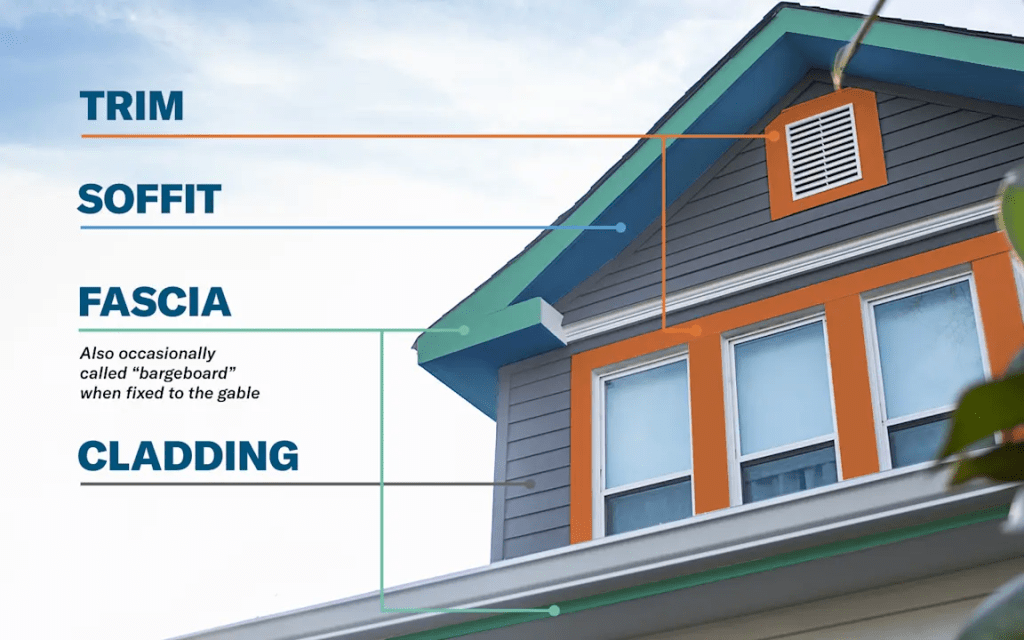
What Is The Roof Trim On The Outside Of A House?
The roof trim on the outside of a house generally refers to the finishing boards at the edges of your roof. These trims serve multiple purposes:
- Protecting the roof and walls from water damage
- Providing a clean, aesthetic finish
- Supporting gutters and downspouts
Read too: Hail Damage Roof Repair: Essential Guide to Restoring Your Home’s Protection
The most common types of roof trim are fascia boards, soffits, and bargeboards. While these terms are sometimes used interchangeably, each has a specific function.
According to Wikipedia Roofing, proper roof edge finishing is crucial for extending the life of your roofing system and preventing structural damage.
Common Types of Roof Trim
1. Fascia Boards
- Location: Runs horizontally along the edge of the roof.
- Function: Supports the gutter, protects roof edges, and prevents water from seeping into the roof structure.
- Materials: Wood, PVC, aluminum.
- Average Cost: $2–$6 per linear foot for materials, plus labor.
Pros:
- Long-lasting with proper maintenance
- Can be painted for aesthetic appeal
Cons:
- Wood can rot if not sealed properly
- Aluminum can dent easily
2. Soffits
- Location: Underneath the roof overhang.
- Function: Ventilates the attic, preventing mold and mildew.
- Materials: Vinyl, aluminum, wood.
Pros:
- Improves attic ventilation
- Low maintenance with vinyl or aluminum
Cons:
- Wood soffits need regular painting
- Poor installation can trap moisture
3. Bargeboards
- Location: Triangular end of a gable roof
- Function: Protects roof timbers, enhances aesthetic appearance.
Pros:
- Decorative, adds curb appeal
- Protects roof edges from wind damage
Cons:
- Higher maintenance if made of wood
- Installation is trickier on steep roofs
How To Identify Your Roof Trim
- Check the edge of the roof: If it’s horizontal and supports gutters, it’s likely fascia.
- Look under the eaves: Ventilated panels are soffits.
- Gable ends: Triangular trims at the roof’s peak are bargeboards.
Quick tip: Use a measuring tape to check dimensions. Typical fascia boards are 6–12 inches tall, while soffits usually match the roof overhang depth.
Materials and Costs Comparison
| Trim Type | Common Materials | Lifespan | Average Cost (Material + Labor) |
|---|---|---|---|
| Fascia | Wood, PVC, Aluminum | 15–50 years | $5–$12 per linear foot |
| Soffit | Vinyl, Aluminum, Wood | 20–50 years | $3–$10 per linear foot |
| Bargeboard | Wood, PVC | 15–50 years | $4–$9 per linear foot |
Choosing the right material depends on budget, maintenance willingness, and climate. Vinyl is low maintenance, wood is classic but requires upkeep, and aluminum is durable but may dent in storms.
Step-By-Step Roof Trim Installation Guide
- Measure Your Roof Edges:
- Record the linear feet of fascia, soffits, and bargeboards.
- Choose Material:
- For durability and low maintenance, vinyl fascia with aluminum soffits is popular.
- Prepare Roof Edge:
- Remove old trim, inspect for rot or damage, and repair as needed.
- Install Fascia:
- Attach fascia boards to rafter ends using galvanized nails.
- Ensure a slight slope toward gutters for water drainage.
- Install Soffits:
- Attach panels beneath the overhang. Include ventilation for attic airflow.
- Install Bargeboards (Optional):
- Secure at gable ends for aesthetic appeal and edge protection.
- Paint or Finish (if needed):
- Wood trims should be primed and painted to resist moisture.
Pro tip: Proper installation prevents water infiltration, pest intrusion, and premature material deterioration.
Benefits of Proper Roof Trim
- Protection: Shields roof edges from water damage and rot.
- Ventilation: Soffits allow airflow, reducing mold and energy costs.
- Aesthetics: Clean trim lines enhance curb appeal.
- Maintenance Savings: Durable materials reduce repair costs over time.
FAQ
Q1: What is the difference between fascia and soffit?
A: Fascia is the vertical board along the roof edge supporting gutters. Soffit is the horizontal panel under the overhang, often vented for attic airflow.
Q2: Can I install roof trim myself?
A: DIY is possible for small fascia or soffit repairs, but full installation on steep roofs requires professional skills for safety and precision.
Q3: How often should roof trim be replaced?
A: Wood fascia/soffits usually last 15–25 years; vinyl and aluminum can last 30–50 years. Inspect every 3–5 years.
Q4: Does roof trim affect home resale value?
A: Yes, well-maintained roof trim improves curb appeal and signals proper maintenance to buyers, potentially increasing property value.
Q5: What maintenance is required for roof trim?
A: Clean gutters regularly, repaint wood every few years, inspect for rot, and check vented soffits for blockages.
Conclusion
Understanding what you call the roof trim on out of house is essential for protecting your home, improving ventilation, and enhancing curb appeal. Fascia, soffits, and bargeboards each have unique functions that contribute to a roof’s longevity. Investing in proper materials and installation ensures long-term durability and reduces maintenance costs. Share this guide with friends or family planning a home improvement project—it could save them money and headaches!
Leave a Reply