If you’re looking for a practical way to improve curb appeal and outdoor comfort, learning How To Add A Porch Roof To Existing House is a smart move. A porch roof protects you from sun and rain, increases usable space, and can even boost property value. This guide walks you through the entire process—from planning and permits to construction steps—using clear, beginner-friendly language.
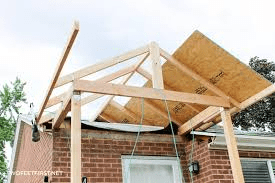
How to Add a Porch Roof to an Existing House: Overview
One of the most common People Also Ask questions is: Can you add a porch roof to an existing house without major remodeling?
Read too: How Long Do Standing Seam Metal Roofs Last? A Comprehensive Guide to Durability and Longevity
Yes, in most cases you can.
A porch roof is typically attached to the existing house using a ledger board, posts, and a properly framed roof structure. The complexity depends on roof style, materials, and local building codes.
Benefits of Adding a Porch Roof
Before diving into construction, it helps to understand why this upgrade is so popular.
Key benefits
- Weather protection: Shade from sun and shelter from rain
- Improved curb appeal: Strong visual upgrade to the home exterior
- Increased usability: More time outdoors, year-round
- Added home value: Especially attractive to future buyers
For many homeowners, a porch roof offers one of the best cost-to-benefit ratios among exterior upgrades.
Planning Before You Build
Proper planning is the most important part of learning How To Add A Porch Roof To Existing House.
Questions to answer first
- Is the porch already structurally sound?
- Will the roof attach to the wall or existing roofline?
- What roof style matches the house?
- What materials fit your climate and budget?
Skipping planning often leads to structural or water-leak problems later.
Check Local Building Codes and Permits
A very common question is: Do I need a permit to add a porch roof?
In most US locations, yes.
Adding a roof is considered a structural modification.
Typically required
- Building permit
- Structural drawings or plans
- Inspection after framing and completion
Local requirements vary, so always check with your city or county building department before starting.
Choosing the Right Porch Roof Style
Another frequent question is: What type of porch roof should I add?
Popular porch roof styles
Shed (lean-to) roof
- Single slope
- Easiest to build
- Cost-effective
- Ideal for small porches
Gable roof
- Triangular design
- Matches many home styles
- Better water runoff
Hip roof
- Slopes on all sides
- Strong wind resistance
- More complex framing
👉 Most DIY homeowners choose shed or gable roofs due to simpler construction.
Materials You’ll Need
Understanding materials upfront helps avoid delays.
Common materials list
- Pressure-treated lumber (posts, beams)
- Ledger board
- Rafters
- Roofing material (shingles, metal panels)
- Flashing
- Lag bolts or structural screws
- Concrete (for post footings)
Material choice should match your existing house roof whenever possible.
How to Add a Porch Roof to an Existing House: Step-by-Step
This is the core tutorial section, answering the main user intent.
Step 1: Inspect and Prepare the Existing Porch
Before adding a roof:
- Check porch foundation for cracks
- Ensure posts (if any) are stable
- Repair rot or damage
A roof adds weight, so the structure beneath must be solid.
Step 2: Install Porch Roof Footings
If your porch doesn’t already have support posts:
- Mark post locations
- Dig holes 12–24 inches deep (check frost depth)
- Pour concrete
- Let cure 24–48 hours
Solid footings are essential for long-term stability.
Step 3: Attach the Ledger Board
The ledger board connects the porch roof to the house.
Key steps
- Remove siding where the ledger will sit
- Attach ledger with lag bolts every 16–24 inches
- Install flashing above the ledger to prevent water intrusion
This step is critical—poor ledger installation is the #1 cause of porch roof failures.
Step 4: Install Support Posts and Beams
Now build the vertical support.
- Secure posts to footings
- Install horizontal beam across posts
- Check for level and plumb
Posts typically use 4×4 or 6×6 lumber, depending on roof size.
Step 5: Frame the Roof Structure
This step forms the shape of your porch roof.
- Measure and cut rafters
- Attach rafters to ledger board
- Secure rafters to front beam
- Space rafters 16 or 24 inches on center
Accurate spacing ensures proper load distribution.
Step 6: Add Roof Sheathing
Sheathing provides a base for roofing material.
- Use ½-inch exterior-grade plywood
- Secure with corrosion-resistant nails
- Leave small gaps for expansion
This layer strengthens the roof and prepares it for waterproofing.
Step 7: Install Roofing and Flashing
Now make the roof weatherproof.
- Add roofing underlayment
- Install shingles or metal panels
- Seal all flashing points
Matching the existing house roof improves both performance and appearance.
Step 8: Finish With Trim and Paint
Final touches make the project look complete.
- Install fascia boards
- Add soffit panels if desired
- Paint or stain to match the house
This step improves durability and curb appeal.
Cost Breakdown: How Much Does a Porch Roof Cost?
Another high-intent question is cost.
Typical US cost ranges
- DIY materials only: $1,500–$3,500
- Professional installation: $4,000–$8,000+
Costs vary by:
- Roof size
- Roof style
- Material choice
- Labor rates
Common Mistakes to Avoid
Many porch roof problems come from avoidable errors.
❌ Skipping flashing
❌ Undersized posts or beams
❌ Attaching ledger without proper fasteners
❌ Ignoring local code requirements
Avoiding these mistakes saves money and prevents future repairs.
DIY vs Hiring a Contractor
A common decision point is whether to DIY.
DIY is reasonable if:
- The porch is small
- Roof style is simple
- You have framing experience
Hire a contractor if:
- The roof is large or complex
- Structural modifications are required
- You want guaranteed code compliance
Hiring a pro reduces risk, especially for roof attachments.
Structural and Load Considerations
A porch roof must handle:
- Dead load (roof weight)
- Live load (snow, wind)
Improper load calculations can lead to sagging or failure over time.
Maintenance After Installation
Once complete, maintenance is minimal but important.
Maintenance tips
- Inspect flashing annually
- Clean debris from roof
- Repaint or reseal wood every few years
Good maintenance can extend the roof’s lifespan 20–30 years.
Does a Porch Roof Add Home Value?
Many homeowners ask if it’s worth it financially.
Value impact
- Improves curb appeal
- Increases functional outdoor space
- Makes listings more attractive
While ROI varies, porch roofs often improve marketability and buyer interest.
Porch Roof Basics (Background)
A porch roof is a structural extension that provides weather protection over an entry or outdoor space. It must be properly framed, attached, and waterproofed to function safely. For general background on porch and roof construction concepts, see Wikipedia.org:
https://en.wikipedia.org/wiki/Porch
FAQ: How To Add A Porch Roof To Existing House
Do I need a permit to add a porch roof?
In most areas, yes. Always check local building codes.
Can I attach a porch roof directly to siding?
No. Siding must be removed so the ledger attaches to structural framing.
What is the easiest porch roof style to build?
A shed (lean-to) roof is usually the simplest.
How long does it take to build a porch roof?
DIY projects take 3–7 days; professionals may finish in 2–3 days.
Can I match the new roof to my existing roof?
Yes, and it’s strongly recommended for appearance and performance.
Conclusion
Learning How To Add A Porch Roof To Existing House empowers you to transform your home’s exterior with a practical, high-impact upgrade. With proper planning, correct materials, and careful installation, a porch roof can provide decades of comfort, protection, and visual appeal. Whether you choose a DIY approach or hire a professional, understanding the process helps you make smarter decisions and avoid costly mistakes.
If this guide helped you plan your porch roof project, share it on social media so other homeowners can confidently improve their homes too.

Leave a Reply