If you’re researching roofing options, you’re probably asking yourself: What Are The Disadvantages Of Flat Roofs On Houses? It’s a smart question—because while flat roofs look modern and cost-effective, they also come with specific challenges.
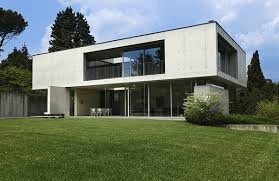
In this guide, we’ll break down the real drawbacks of flat roofs in simple terms. You’ll learn about maintenance, drainage, lifespan, repair costs, and whether a flat roof is right for your climate.
Read too: Hail Damage Roof Repair: Essential Guide to Restoring Your Home’s Protection
What Are The Disadvantages Of Flat Roofs On Houses?
4
The primary disadvantages of flat roofs on houses include:
- Poor drainage and standing water
- Higher risk of leaks
- Shorter lifespan compared to pitched roofs
- Increased maintenance needs
- Potential structural stress from snow loads
Let’s explore each issue in depth.
Why Do Flat Roofs Have Drainage Problems?
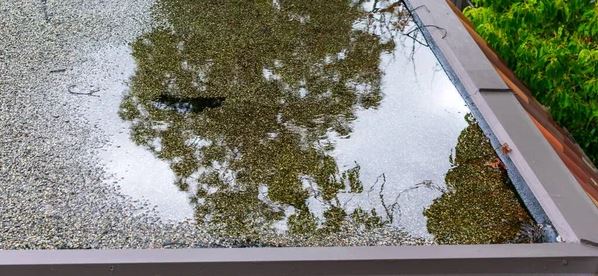
Flat roofs are not completely flat. They usually have a slight slope (about 1/4 inch per foot). However, this minimal slope can still allow water to pool.
The Core Issue: Ponding Water
When water remains on a roof for more than 48 hours, it’s called ponding. Over time, ponding:
- Weakens roofing membranes
- Increases leak risk
- Adds structural weight
- Accelerates material breakdown
According to general roofing principles explained in the Wikipedia entry on flat roofs:
https://en.wikipedia.org/wiki/Flat_roof
Flat roofs require carefully designed drainage systems, including internal drains, scuppers, or gutters.
Real-World Example
In heavy rainfall regions like Florida or the Pacific Northwest, poorly maintained flat roofs are significantly more prone to water damage claims than sloped roofs.
Are Flat Roofs More Likely to Leak?
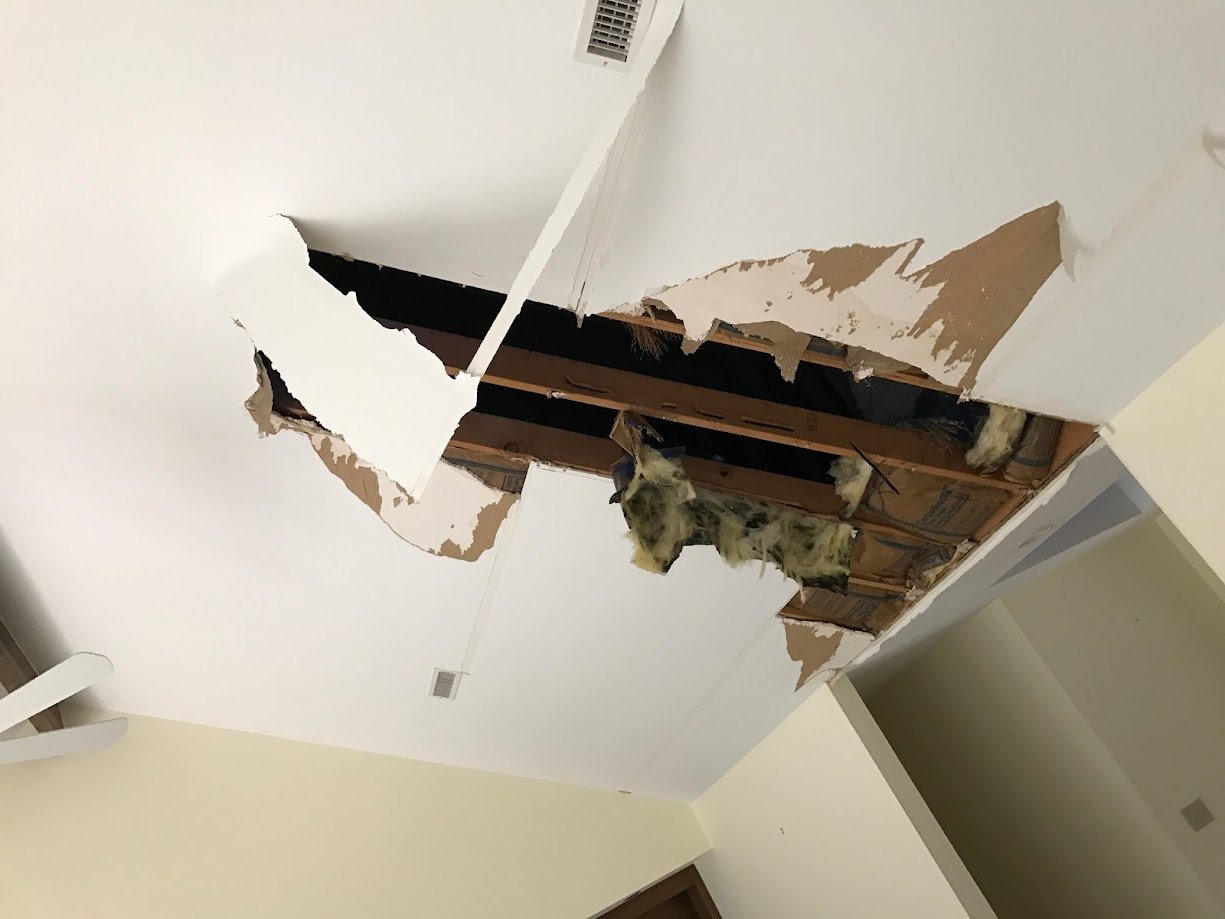
Yes. Statistically and practically, flat roofs tend to leak more frequently than pitched roofs.
Why?
- Water does not run off quickly.
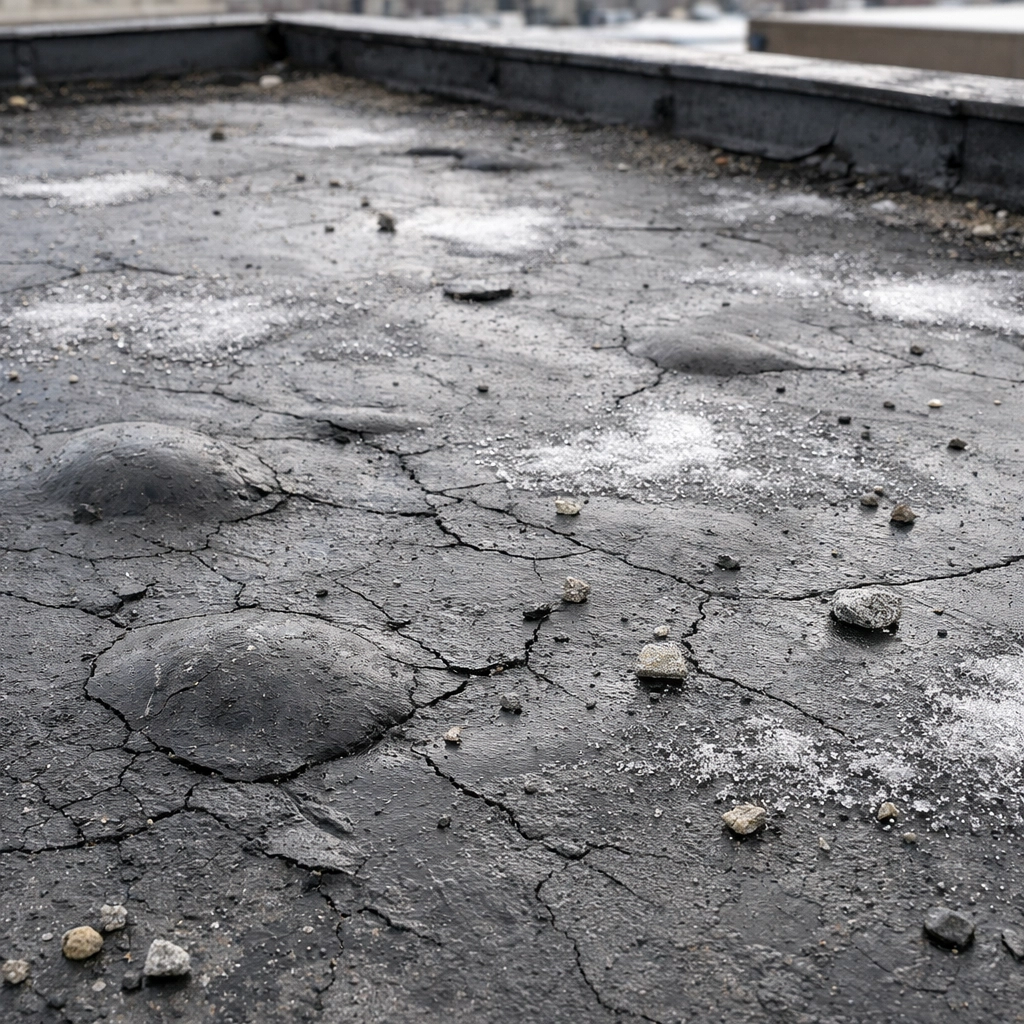
- Membranes expand and contract with temperature changes.
- Seams can weaken over time.
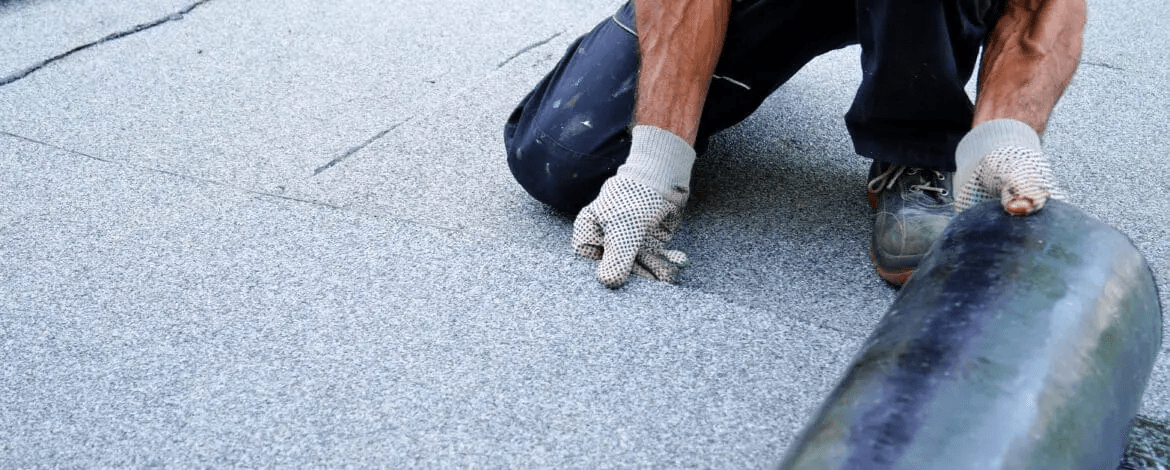
Common flat roof materials include:
- EPDM (rubber membrane)
- TPO (thermoplastic polyolefin)
- Modified bitumen
While these materials are durable, they rely heavily on proper installation. A small seam failure can allow moisture penetration.
Key Insight: Even minor punctures can lead to major interior damage if not detected early.
Do Flat Roofs Have a Shorter Lifespan?
Yes, compared to traditional asphalt shingle roofs.
| Roof Type | Average Lifespan |
|---|---|
| Asphalt Shingle (Pitched) | 20–30 years |
| Metal Roof | 40–70 years |
| Flat Roof (EPDM/TPO) | 10–25 years |
Flat roofing membranes typically last 10–25 years, depending on maintenance and climate.
Why the Difference?
- UV exposure is direct and constant.
- Standing water accelerates deterioration.
- Heat causes material expansion.
This doesn’t mean flat roofs are “bad.” But they usually require replacement sooner.
How Much Maintenance Do Flat Roofs Require?
Flat roofs require more frequent inspections than sloped roofs.
Recommended Maintenance Schedule
- Inspect roof twice per year (spring and fall).
- Clear debris every 3–4 months.
- Check drainage outlets monthly during rainy seasons.
- Seal minor cracks immediately.
- Recoat protective membranes every 5–10 years.
Skipping maintenance significantly increases repair costs.
Are Flat Roofs Bad for Snowy Climates?
Yes, especially in northern states.
Snow accumulation adds weight. Unlike pitched roofs, snow does not slide off easily.
Example Calculation
Wet snow can weigh about 20 pounds per cubic foot.
If 12 inches of snow accumulates over 1,000 square feet:
- That equals roughly 20,000 pounds of additional load.
Without proper structural reinforcement, this can strain support beams.
Do Flat Roofs Increase Energy Costs?
It depends.
Flat roofs absorb more direct sunlight exposure, especially dark membranes.
However, “cool roof” coatings and reflective membranes can offset this.
Heat Impact Without Insulation
- Interior temperatures may rise 5–15°F during summer.
- HVAC systems work harder.
- Cooling costs increase.
Proper insulation (minimum R-30 in many US climates) can reduce this issue.
Flat Roof Disadvantages: Pros vs Cons Overview
Pros
- Modern aesthetic
- Lower initial construction cost
- Usable rooftop space
- Easier access for maintenance
Cons
- Drainage challenges
- Higher leak risk
- Shorter lifespan
- Increased maintenance
- Snow load vulnerability
If your priority is durability with minimal upkeep, a pitched roof may be better.
If aesthetics and rooftop use matter more, flat roofs can work—with proper design.
Are Repairs More Expensive on Flat Roofs?
Repair frequency is generally higher, though individual repairs may not always cost more.
Typical repair costs (U.S. averages):
- Minor patch repair: $300–$800
- Membrane section replacement: $1,000–$3,000
- Full replacement: $5,000–$15,000+
Costs vary by region and roof size.
Because leaks can spread underneath membranes before visible damage appears, detection can be delayed—raising total expenses.
What Causes Most Flat Roof Failures?
The top causes include:
- Poor installation
- Inadequate drainage design
- Deferred maintenance
- Punctures from foot traffic
- Flashing failure around vents
Professional installation by certified contractors significantly reduces risks.
FAQ Section
1. What are the disadvantages of flat roofs on houses compared to pitched roofs?
Flat roofs are more prone to leaks, drainage issues, and shorter lifespans. Pitched roofs shed water and snow more efficiently.
2. Do flat roofs always leak?
No—but they have a higher probability of leaks if drainage systems fail or membranes deteriorate.
3. How often should a flat roof be inspected?
At least twice a year, plus after major storms.
4. Are flat roofs cheaper to build?
Yes, initial construction costs are often lower due to simpler framing. However, long-term maintenance can offset savings.
5. Can a flat roof last 30 years?
Some high-quality systems with excellent maintenance can approach 25–30 years, but this is less common than with metal or tile roofs.
6. Is a flat roof a bad idea for residential homes?
Not necessarily. It depends on climate, maintenance commitment, and budget. In dry climates like Arizona, flat roofs perform better than in high-rain regions.
Conclusion
So, What Are The Disadvantages Of Flat Roofs On Houses? The main concerns are drainage problems, leak risk, shorter lifespan, and increased maintenance. Snow load and energy efficiency can also be challenges in certain climates.
That said, flat roofs aren’t inherently bad. They simply require informed planning, quality materials, and regular care.
Before building or buying a home with a flat roof, consider:
- Your local climate
- Maintenance commitment
- Long-term replacement costs
If this guide helped you make a smarter roofing decision, share it on social media to help other homeowners avoid costly mistakes.
Leave a Reply