When considering a metal roof for your home, one of the essential factors to assess is its ability to withstand various weather conditions, including strong winds. The question “How much wind can a metal roof withstand?” is a common concern among homeowners. In this article, we will delve into the factors that determine a metal roof’s wind resistance, what makes it capable of withstanding strong winds, and how you can ensure your metal roof is prepared to handle adverse weather conditions.
Understanding Wind Resistance in Metal Roofs:
Recognized for durability and longevity, metal roofs attract homeowners in regions susceptible to severe weather, particularly high winds. Several factors influence the wind resistance of a metal roof:
Roof Pitch:
The pitch or slope of the roof plays a significant role in its wind resistance. A steeper roof pitch can help reduce the force of the wind on the roof, allowing it to better withstand high winds. Metal roofs with steeper pitches generally have higher wind resistance.
Roofing Material and Design:
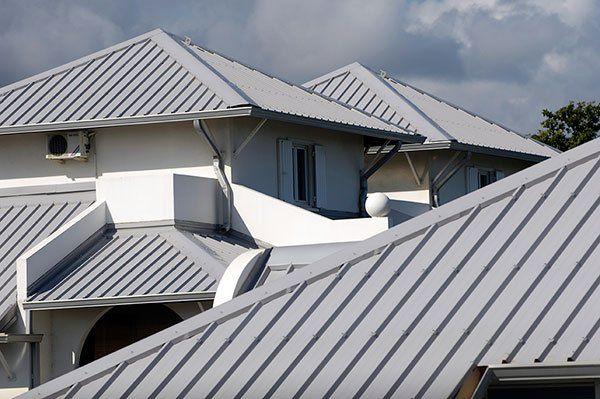
The type of metal roofing material and its design can impact wind resistance. Standing seam metal roofs, for example, have interlocking panels that provide a more secure attachment, enhancing the roof’s ability to withstand wind uplift.
Installation Quality:
Proper installation is crucial for achieving optimal wind resistance. Incorrectly installed, a metal roof becomes more vulnerable to wind-induced damage. Collaborating with experienced roofing professionals guarantees adherence to manufacturer guidelines, enhancing wind resistance.
Determining Wind Uplift:
Wind uplift occurs as wind blows over a roof, potentially lifting or damaging roofing materials. Metal roofs typically express their wind uplift resistance in pounds per square foot (psf). Different regions have different wind zone ratings, which determine the minimum wind uplift resistance required for roofing materials.
Ensuring Adequate Wind Resistance:
To ensure your metal roof can withstand strong winds, consider the following steps:
Choose the Right Roofing Material:
Choose a high-quality metal roofing material designed to fulfill the wind resistance requirements of your region. Look for metal roofs that have been tested and certified for wind uplift resistance.
Proper Installation:
Hire professional roofing contractors with experience in installing metal roofs. A proper installation ensures that the roof’s panels, seams, and attachments are secure and able to resist wind forces.
Regular Maintenance:
Regular maintenance is essential to identify and address any issues that may compromise the roof’s wind resistance over time. Inspect the roof for loose panels, damaged fasteners, and other potential vulnerabilities.
Conclusion:
A well-installed and properly maintained metal roof can withstand a considerable amount of wind force. Factors such as roof pitch, roofing material, design, and installation quality all contribute to a metal roof’s wind resistance. When considering a metal roof for your home, prioritize selecting the right material, working with experienced professionals, and ensuring regular maintenance to maximize the roof’s ability to withstand strong winds and provide lasting protection for your home.
Leave a Reply