When it comes to maintaining a sturdy and well-protected home, the condition of your roof plays a pivotal role. One often overlooked yet critical component of a roof is the flashing. Damaged roof flashing can lead to a host of issues that compromise the integrity of your entire roofing system. In this article, we will delve into the causes and effects of damaged roof flashing, and highlight essential repair strategies to safeguard your home.
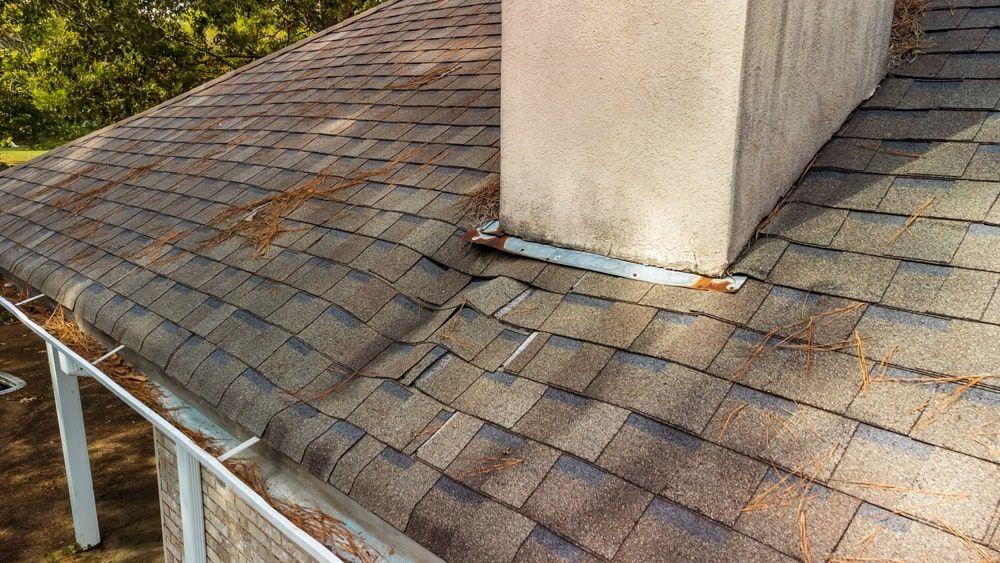
Understanding Roof Flashing: What is it?
Roof flashing is the unsung hero of your roofing system, serving as a protective barrier against water infiltration in vulnerable areas. Installed in areas such as valleys, chimneys, skylights, and vents, flashing directs water away from seams and joints where leaks are prone to occur. It is typically made from metal, plastic, or composite materials, and its proper functioning is vital for maintaining a watertight seal.
Causes of Damaged Roof Flashing
- Weather Extremes: Harsh weather conditions, including heavy rain, snow, hail, and strong winds, can gradually wear down the flashing material, causing cracks, rust, or dislodgment. Over time, this can compromise the flashing’s ability to redirect water effectively.
- Age and Deterioration: Like any other part of your home, roof flashing has a limited lifespan. As it ages, exposure to the elements takes its toll, leading to corrosion, weakening of joints, and overall deterioration.
- Poor Installation: Improper installation of flashing during the initial roof setup can set the stage for future problems. If the flashing is not secured tightly or is improperly sealed, water can find its way underneath, leading to leaks and subsequent damage.
- Settling and Shifting: Houses naturally settle and shift over time due to changes in the foundation or structural elements. These movements can impact the integrity of the flashing, causing it to shift, warp, or crack.
Effects of Damaged Roof Flashing
The consequences of damaged roof flashing extend beyond mere aesthetic concerns. Here are some of the potential effects:
- Water Leaks: Damaged flashing allows water to infiltrate your home, leading to leaks and water damage. This can affect walls, ceilings, insulation, and even the structural integrity of your house.
- Mold and Mildew Growth: Moisture from leaks provides an ideal breeding ground for mold and mildew. These not only pose health risks but can also cause extensive damage to your home’s interior.
- Energy Efficiency Reduction: Leaks resulting from damaged flashing can compromise your home’s insulation, causing your heating and cooling systems to work harder, leading to increased energy bills.
- Structural Damage: Over time, consistent water infiltration can weaken the structural components of your home. This can lead to costly repairs and compromise the safety of your living environment.
Repairing Damaged Roof Flashing
Addressing damaged roof flashing promptly is essential to prevent further deterioration and mitigate potential damages. Here are the steps for effective repair:
- Inspection: Regularly inspect your roof, especially the flashing-prone areas, to identify any signs of damage. Look for cracks, gaps, rust, or detachment.
- Cleaning: Before making repairs, ensure the damaged area is clean and free from debris, which can hinder proper adhesion of repair materials.
- Material Selection: Choose appropriate materials for repair, matching the existing flashing type as closely as possible. This ensures seamless integration and optimal functionality.
- Sealing and Securing: Use recommended sealants and fasteners to reattach or reinforce the damaged flashing. Properly seal joints and seams to prevent water infiltration.
- Professional Assistance: If the damage is extensive or if you’re unsure about the repair process, it’s best to consult a professional roofing contractor. Their expertise can ensure a thorough and lasting repair.
Conclusion: Safeguarding Your Home
In conclusion, damaged roof flashing is a concern that should not be taken lightly. Understanding its causes, effects, and the necessary repair steps empowers homeowners to proactively address issues and protect their homes from potential water-related damages. Regular maintenance, timely repairs, and professional guidance when needed can go a long way in ensuring the longevity and durability of your roofing system. Remember, a well-maintained roof is a key investment in the safety and comfort of your home.
Leave a Reply