Your roof is your home’s first line of defense against the elements. Over time, it’s common for roofs to develop issues like moss and algae growth, which not only affect their appearance but can also lead to structural damage. One effective way to combat this problem is by install zinc strip on your roof. In this guide, we will explore the importance of zinc strips, how they work, and the steps involved in installing them to maintain a clean and healthy roof.
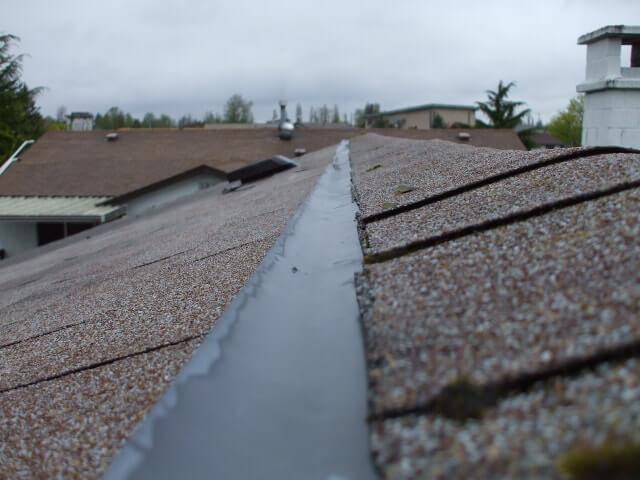
Understanding the Role of Zinc Strips:
Moss and Algae: A Roof’s Silent Foe Moss and algae thrive in damp, shaded areas, and your roof can provide the ideal conditions for their growth. Once they take hold, they can quickly spread and cause several problems:
- Aesthetic Issues: Moss and algae can make your roof look unsightly, which can negatively impact your home’s curb appeal.
- Reduced Roof Lifespan: The growth of moss and algae can lead to premature roof deterioration, shortening its lifespan.
- Water Damage: Moss and algae can trap moisture, leading to water damage and leaks.
The Science Behind Zinc Strips:
Zinc is an effective deterrent against moss and algae growth. When it rains, small amounts of zinc are washed down the roof, creating a protective barrier. This prevents moss and algae from taking root and eliminates their ability to thrive on your roof.
Steps to Install Zinc Strips on Your Roof:
1. Gather Your Supplies
- Zinc strips
- Measuring tape
- Roofing nails or screws
- Hammer or screwdriver
- Safety gear (gloves, safety glasses)
2. Measure and Plan
- Carefully measure the length of each roof ridge where you plan to install the zinc strips. You’ll need enough zinc strip to cover these areas.
3. Clean the Roof
- Before installation, it’s essential to clean your roof thoroughly. Remove any existing moss, algae, or debris. This will ensure a clean surface for the zinc strips to work effectively.
4. Install the Zinc Strips
- Place the zinc strips along the ridge of your roof. You can install them just below the ridge cap or directly underneath it, depending on your preference and roof design.
- Attach the zinc strips using roofing nails or screws. Ensure they are securely fastened to withstand wind and weather.
5. Overlapping Strips
- If your roof ridge is longer than the length of a single zinc strip, overlap the ends of the strips by a few inches to ensure continuous protection.
6. Safety Considerations
- Be cautious when working on the roof. Wear appropriate safety gear and work on a sunny day when the roof is dry to prevent accidents.
Conclusion:
Install zinc strip on your roof is a simple yet effective way to prevent moss and algae growth, preserving the aesthetics and structural integrity of your home. By following the steps outlined in this guide, you can easily add this protective measure to your roof and enjoy the benefits of a cleaner, healthier, and longer-lasting roofing system.
Leave a Reply