When it comes to installing a metal roof, proper preparation and considerations are essential to ensure the roof’s longevity and efficiency. One critical factor to address is whether or not you need a vapor barrier under your metal roof. In this article, we’ll explore the significance of vapor barriers in metal roofing, when they are necessary, and how to properly install them.
Understanding Vapor Barriers in Metal Roofing
Why Are They Important?
A vapor barrier is a material designed to prevent moisture from penetrating the interior of your building structure. While metal roofing is known for its durability and resistance to the elements, moisture control remains a crucial aspect of ensuring the roof’s effectiveness.
When Do You Need a Vapor Barrier?
Dampening the Impact
The need for a vapor barrier under a metal roof can vary depending on several factors:
1. Climate and Location
- Cold Climates: In regions with cold climates, it’s more likely that warm, moist air from the interior of the building will encounter a cold surface (the metal roof) and condense. This condensation can lead to moisture issues within the structure, making a vapor barrier essential.
- Humid Areas: High-humidity regions also benefit from vapor barriers, as they help prevent moisture buildup within the building.
2. Building Usage
- Residential vs. Commercial: The purpose of the building matters. Commercial buildings with high levels of occupancy or industrial processes may generate more internal moisture, necessitating a vapor barrier.
3. Insulation Type
- Insulation Material: The type of insulation used in the building’s construction can influence whether a vapor barrier is needed. Some insulation materials provide adequate moisture control on their own, while others may require additional protection.
4. Local Building Codes
- Compliance: Local building codes and regulations may stipulate the use of vapor barriers in certain situations. Always check with your local authorities and adhere to their requirements.
Installing a Vapor Barrier
How It’s Done
If you determine that a vapor barrier is necessary for your metal roof, follow these steps for proper installation:
1. Roof Preparation
- Clean the Roof Deck: Ensure the roof deck is clean, dry, and free of debris before installing the vapor barrier.
2. Choose the Right Barrier
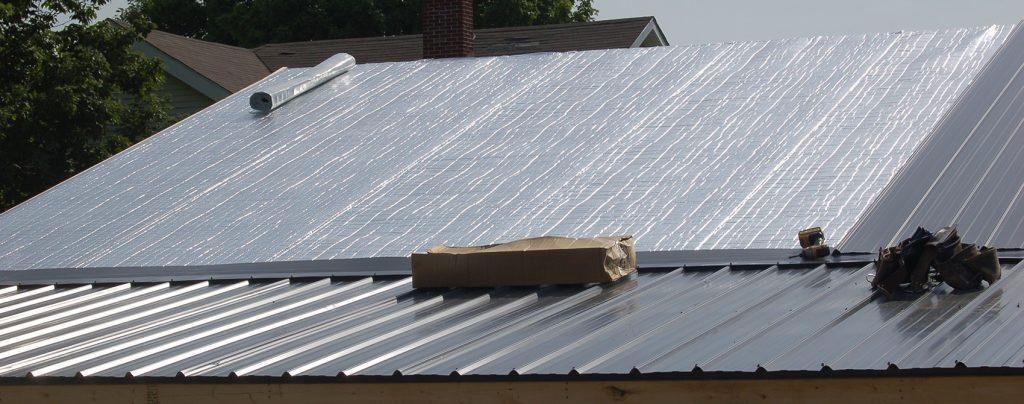
- Select the Material: Choose an appropriate vapor barrier material. Common options include foil-faced insulation, plastic sheeting, or specialized vapor barrier membranes.
3. Installation
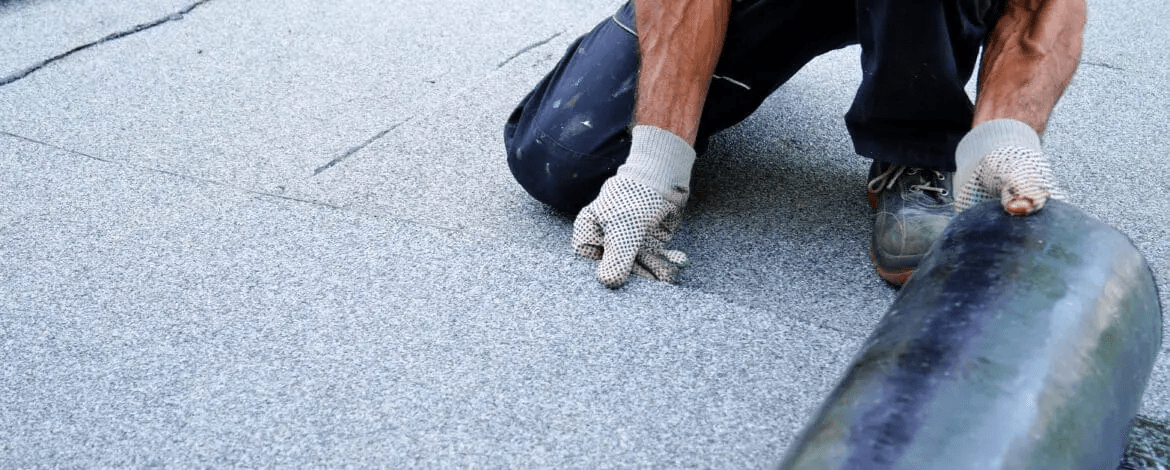
- Lay the Barrier: Install the vapor barrier material over the roof deck, ensuring it covers the entire surface without gaps.
- Seal Seams and Joints: Properly seal and secure all seams and joints to create a continuous barrier.
4. Insulation and Roofing
- Insulation Layer: Add the insulation layer on top of the vapor barrier, followed by the metal roofing material.
Conclusion
In summary, the need for a vapor barrier under a metal roof depends on various factors, including climate, building usage, insulation type, and local building codes. To ensure the longevity and efficiency of your metal roofing system, carefully assess these factors and consult with roofing professionals as needed. When properly installed, a vapor barrier can help prevent moisture-related issues and keep your building’s interior dry and comfortable.
Leave a Reply