When it comes to roofing materials, metal has gained popularity for its durability and longevity. However, homeowners often wonder whether metal roofs make their houses hotter in the scorching heat of summer. This question is crucial because no one wants to feel like they’re living inside an oven during the warmer months. In this article, we will delve into the world of metal roofs and explore whether they actually make your house hotter.
Understanding Metal Roofing
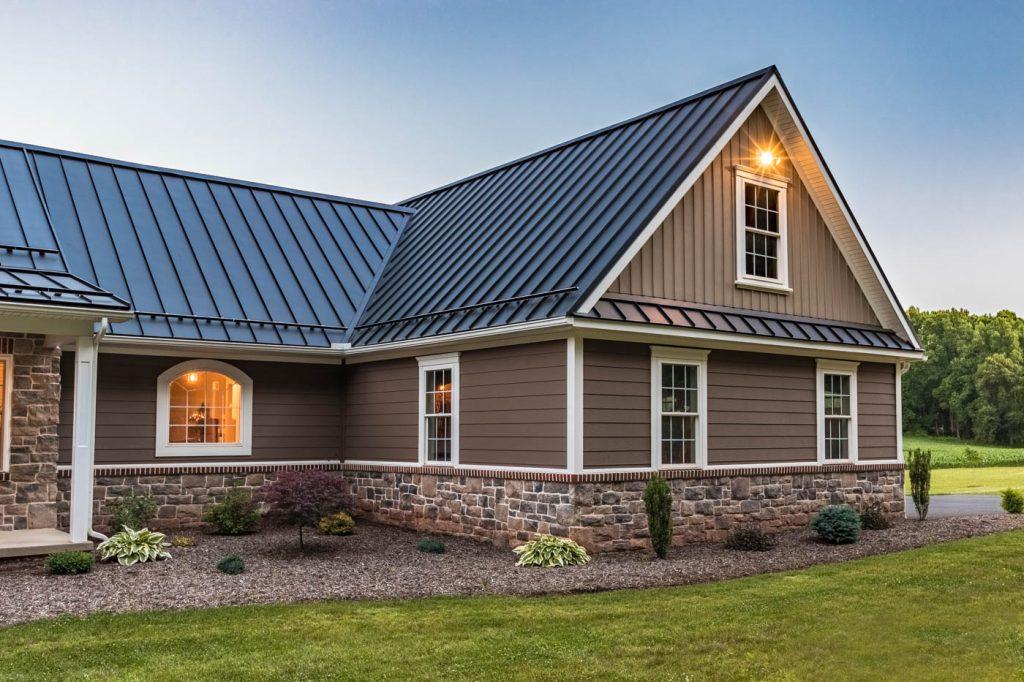
Before we jump into the hot topic of metal roofs and their impact on indoor temperatures, let’s first understand what metal roofing is all about.
Metal roofs are known for their strength and resilience, capable of withstanding harsh weather conditions, including heavy rain, snow, and hail. They are usually made from materials like aluminum, steel, or copper. These materials are chosen for their durability and resistance to rust and corrosion.
The Reflective Nature of Metal Roofs
One of the key factors that determine whether a roofing material will make your house hotter is its ability to reflect or absorb heat. Metal roofs have a natural advantage in this regard. They are highly reflective, meaning they bounce off a significant portion of the sun’s rays rather than absorbing them.
During the scorching summer months, this reflective property can work to your advantage by reducing the amount of heat that enters your home. When the sun beats down on your metal roof, it reflects much of the solar energy away, preventing it from being absorbed into your attic and living spaces.
Insulation Matters
While metal roofs are naturally reflective, their ability to keep your home cool also depends on the quality of insulation underneath the roof. Insulation acts as a barrier that prevents heat from transferring from the outside to the inside of your home. Without proper insulation, even the most reflective metal roof can’t do much to keep your house cooler.
Therefore, ensure proper insulation in your attic or the space below the metal roof. Adequate insulation will significantly contribute to maintaining a comfortable indoor temperature, regardless of the weather outside.
Ventilation and Air Circulation
Another critical factor that influences the temperature inside your home is ventilation and air circulation. Even with a reflective metal roof and proper insulation, stagnant hot air can make your living spaces uncomfortable.
Proper ventilation systems, such as ridge vents and attic fans, can help dissipate the heat that does manage to enter your attic or the space below the roof. This helps maintain a balanced indoor temperature, preventing your home from turning into a sauna during the summer.
Choosing the Right Color
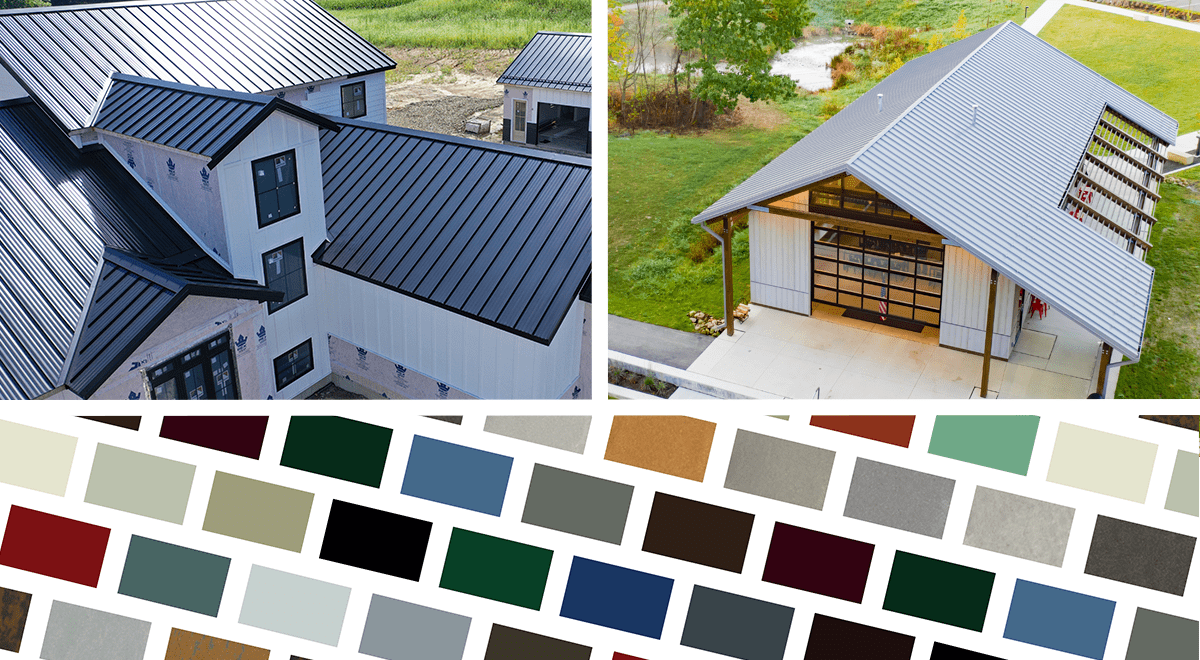
Believe it or not, the color of your metal roof can also impact how hot your house gets. Light-colored metal roofs, such as white or light gray, tend to reflect more sunlight and heat than darker-colored roofs like black or dark brown.
If you live in an area with scorching summers, opting for a light-colored metal roof can be a smart choice. It will not only reflect more heat but also help reduce your energy bills by keeping your home cooler without the need for excessive air conditioning.
Maintenance and Coatings
Regular maintenance and the application of reflective coatings can further enhance the cooling properties of your metal roof. Design these coatings to enhance the roof’s reflectivity, further improving its ability to cool your home.
However, it’s important to note that over time, the effectiveness of these coatings may diminish, so periodic reapplication may be necessary to maintain their benefits.
Conclusion
In conclusion, metal roofs, when properly installed with good insulation and ventilation, do not necessarily make your house hotter. In fact, their reflective properties can help keep your home cooler during the hot summer months. To maximize the cooling effect of your metal roof, choose light-colored roofing materials, ensure proper insulation, invest in ventilation systems, and consider the application of reflective coatings. By taking these steps, you can enjoy the durability and longevity of a metal roof without sacrificing your comfort during the heat of summer.
So, if you’re contemplating a metal roof for your home, rest assured that it can be an excellent choice for both durability and climate control, provided you consider the factors mentioned above. Stay cool, stay comfortable, and enjoy the benefits of a well-maintained metal roof.
Leave a Reply