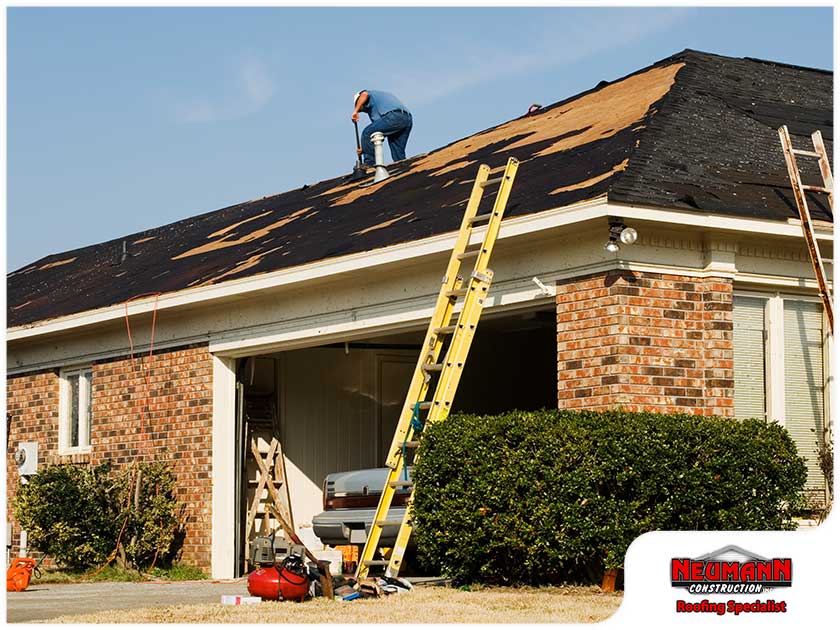
How Many Days Does It Take To Replace A Roof? When the time comes to replace a roof, homeowners often wonder how long the process will take. The duration of a roof replacement project can vary based on multiple factors, and understanding what to expect can help you plan accordingly. In this article, we will explore the key factors that influence the timeline of a roof replacement and provide insights into the typical duration of such projects.
Understanding the Factors Affecting Roof Replacement Timelines
Several factors play a role in determining how many days it will take to replace a roof. Here are the primary considerations:
1. Roof Size and Complexity
The size and complexity of your roof are significant factors. Larger roofs with multiple angles, peaks, and architectural details will naturally take longer to replace than smaller, simpler roofs. Steeper pitches can also add to the complexity and time required.
2. Weather Conditions
Weather conditions can have a substantial impact on the timeline of a roof replacement project. Inclement weather, such as rain, snow, or extreme heat, can disrupt the work and lead to delays. Roofing professionals typically aim for dry and mild weather to ensure a smooth and efficient installation.
3. Roofing Material
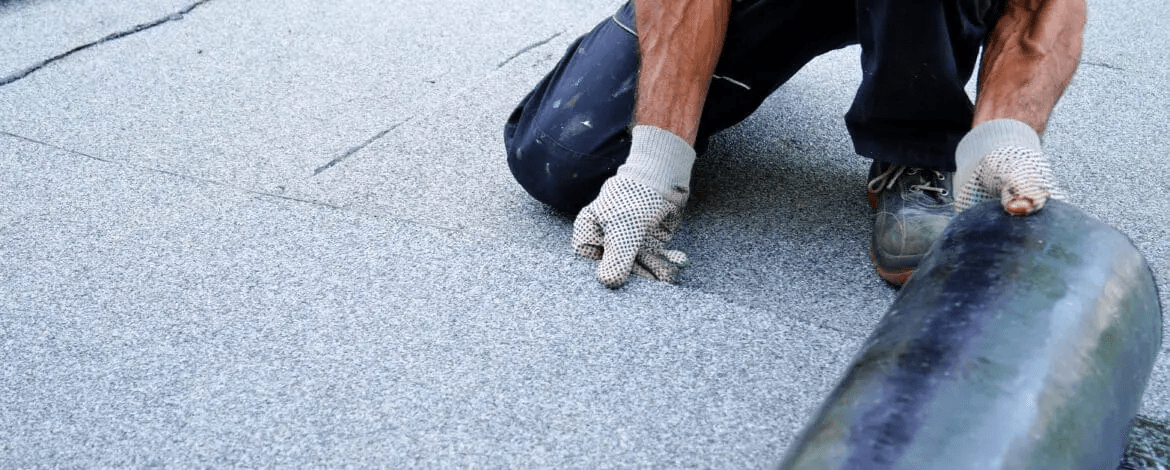
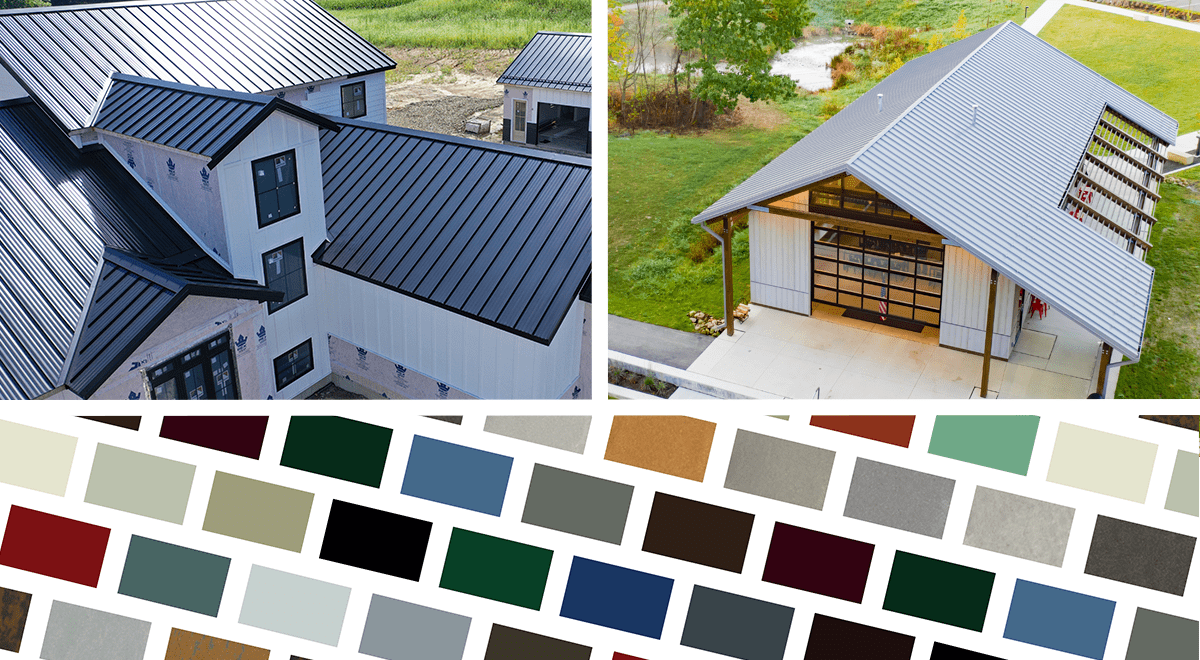
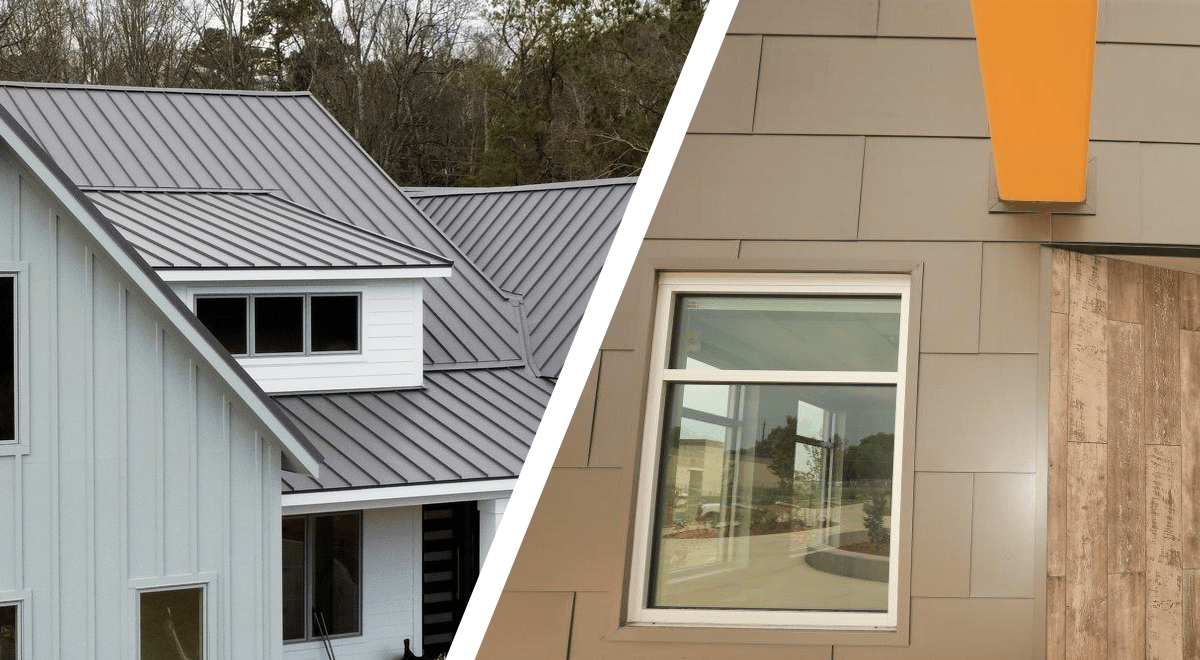
The type of roofing material you choose plays a crucial role in project duration. Asphalt shingles are generally quicker to install compared to materials like metal or slate. Additionally, some roofing materials require more preparation and labor, which can extend the project timeline.
4. Tear-Off vs. Overlay
Deciding whether to tear off the existing roof or install new roofing material over the old one can affect the timeline. A complete tear-off requires more time, as it involves removing the old roof, inspecting the underlying structure, and making any necessary repairs before installing the new roof.
5. Roofing Crew and Experience
The efficiency and experience of the roofing crew you hire can significantly impact the timeline. Experienced professionals are likely to work more quickly and efficiently, which can shorten the project duration.
Typical Timelines for Roof Replacement
While the factors mentioned above influence the timeline of a roof replacement, it’s possible to provide a general idea of what to expect:
1. Small, Simple Roof
For a small, straightforward roof with good weather conditions, a professional crew can often complete the replacement in as little as one to two days.
2. Average-Sized Roof
Most average-sized residential roofs can typically be replaced within three to four days under favorable conditions. This duration includes tearing off the old roof, inspecting the structure, and installing the new roofing material.
3. Large or Complex Roof
Larger or more complex roofs may require five days or more. The time increases if the project involves multiple layers of tear-off, structural repairs, or intricate architectural details.
4. Unfavorable Weather
Unpredictable weather conditions can extend the timeline. Rain, snow, or excessive heat can cause delays, and the project may take longer than initially planned.
5. Material Choice
Roofing materials can also influence the timeline. For example, the installation of metal or slate roofs is more time-consuming than asphalt shingles.
Tips for a Smooth Roof Replacement
To ensure a successful and timely roof replacement, consider the following tips:
1. Hire Experienced Professionals
Choose a reputable roofing company with a track record of quality work. Experienced professionals are more likely to work efficiently and complete the project within the estimated timeline.
2. Plan According to the Weather
Coordinating your roof replacement with favorable weather conditions can help prevent unnecessary delays. Discuss potential weather-related contingencies with your roofing contractor.
3. Clear the Area
Clear the area around your home to provide easy access for the roofing crew. Remove any obstacles or debris that may hinder their work.
4. Communicate with Your Contractor
Maintain open communication with your roofing contractor. Discuss your expectations regarding the timeline and ask for regular updates on the progress of the project.
Conclusion
The duration of a roof replacement project varies based on multiple factors, including roof size, weather conditions, roofing material, and the expertise of the roofing crew. While smaller, simpler roofs can often be replaced in a few days, larger or more complex projects may take longer. By understanding the factors at play and following the provided tips, you can ensure a smooth and efficient roof replacement process that meets your expectations and safeguards the integrity of your home.
Leave a Reply