Your home is your sanctuary, and its roof plays a pivotal role in protecting it from the elements. Over time, roofs endure wear and tear due to weather conditions, age, and other factors. The question that often arises is, “How often does a house roof need to be replaced?” In this article, we will explore the factors that influence the lifespan of your roof and provide insights on when it may be time to consider a replacement.
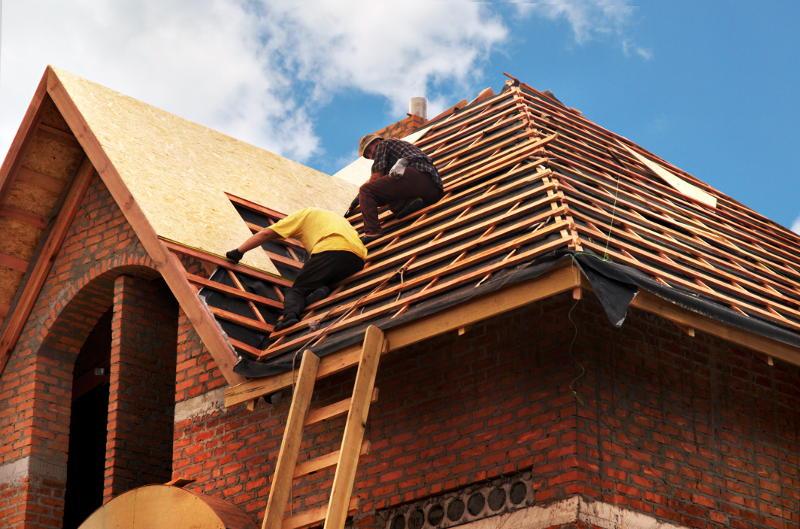
Understanding Roof Longevity
A house roof is a significant investment, and understanding its lifespan can help you plan and budget effectively. Several factors impact the longevity of your roof:
- Roofing Material:
- Asphalt shingles are the most common roofing material, with a lifespan of 20-30 years.
- Metal roofs can last 40-70 years.
- Tile and slate roofs can endure for over a century.
- Climate and Weather Conditions:
- Harsh weather conditions, such as heavy rainfall, snow, and extreme temperatures, can accelerate roof deterioration.
- Frequent exposure to sunlight can also cause shingles to deteriorate more quickly.
- Installation Quality:
- A well-installed roof is more likely to last longer.
- Poor installation can lead to premature damage and leaks.
- Maintenance:
- Regular maintenance, such as cleaning gutters and inspecting for damage, can extend the life of your roof.
- Ventilation:
- Proper attic ventilation can prevent excess heat and moisture buildup, which can damage the roof.
- Roof Slope:
- The slope of your roof can affect how quickly it sheds water and snow, impacting its longevity.
The Average Lifespan of Common Roofing Materials
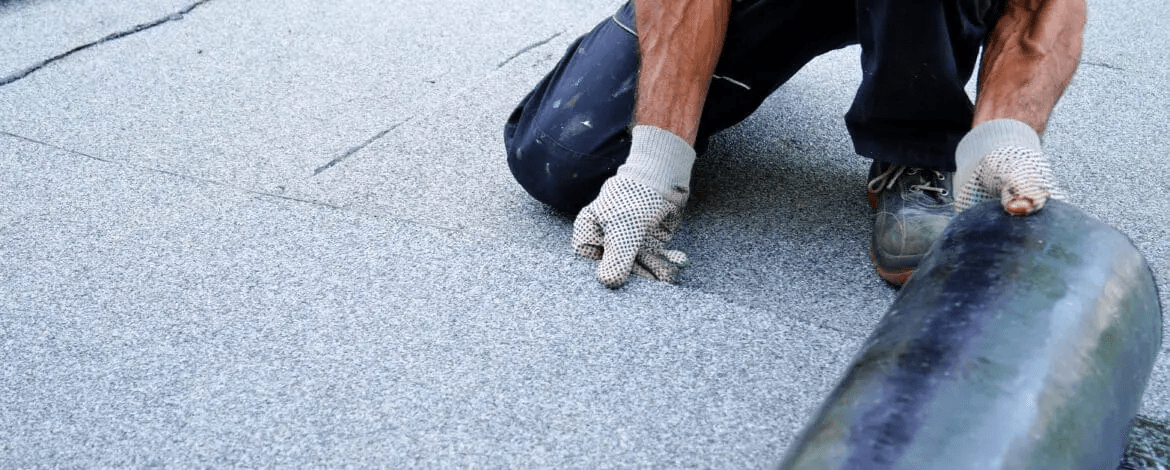
Asphalt Shingles: Asphalt shingles are widely used due to their affordability. They typically last 20-30 years. However, their lifespan can be shorter in areas with extreme weather conditions.
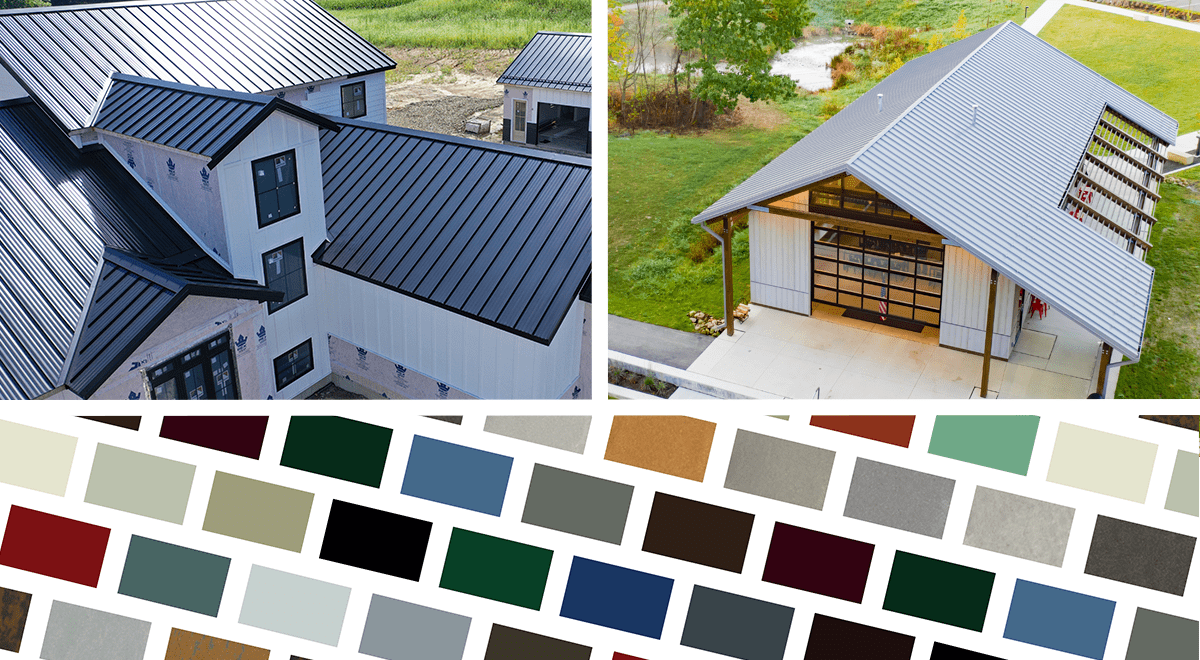
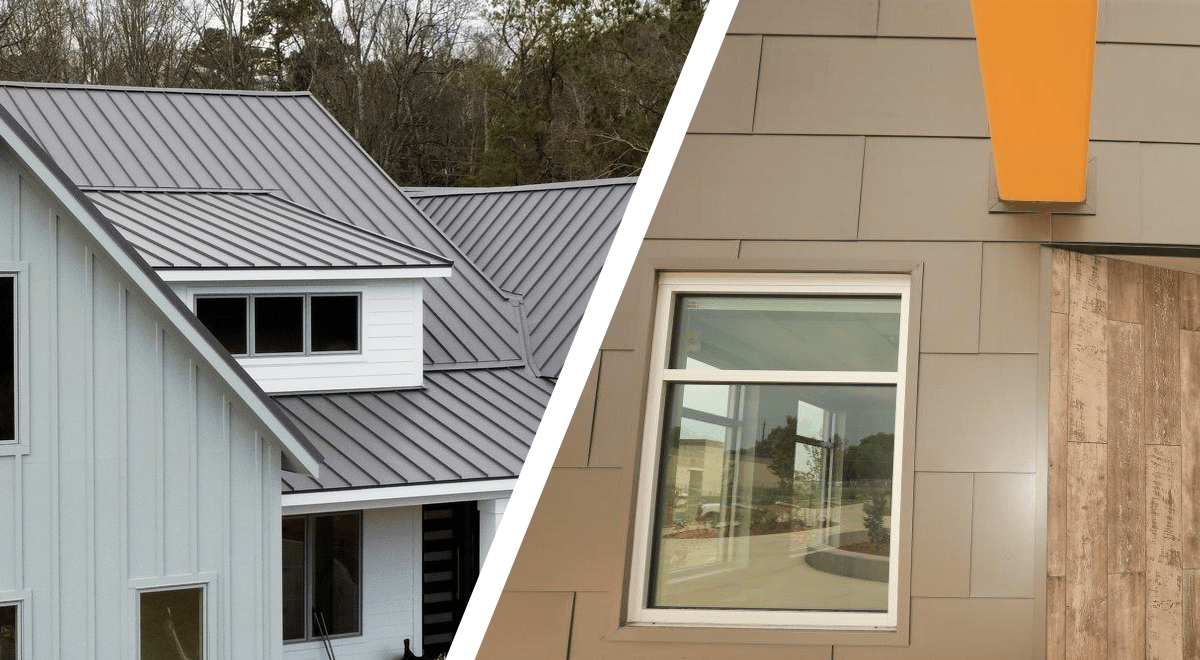
Metal Roofs: Metal roofs are known for their durability. They can last between 40-70 years, making them a long-term investment.
Tile and Slate Roofs: Tile and slate roofs are renowned for their longevity. They can last well over a century, often outliving the homeowners themselves.
Factors Influencing the Need for Roof Replacement
- Age:
- As mentioned earlier, the age of your roof is a crucial factor. If your roof has exceeded its expected lifespan, it’s time to consider a replacement.
- Visible Damage:
- Visible signs of damage, such as missing shingles, water leaks, or sagging areas, are clear indicators that your roof needs attention.
- Energy Efficiency:
- An old, deteriorating roof can result in poor energy efficiency. If your energy bills are on the rise, it might be due to a compromised roof.
- Mold and Algae Growth:
- Mold and algae can proliferate on a roof, particularly in humid regions. While this may not always necessitate a full replacement, it’s a sign that your roof needs attention.
When to Consider Repair Instead of Replacement
Roof repair can be a cost-effective option if the damage is localized and not extensive. If only a few shingles are damaged or if there are minor leaks, repairs may suffice. However, it’s essential to have a professional inspection to determine the extent of the damage and whether a repair is a viable solution.
Conclusion
In conclusion, the frequency at which a house roof needs to be replaced depends on several factors, including the type of roofing material, climate, maintenance, and installation quality. While some roofs can last a lifetime, others may need replacement every few decades. Regular inspections and maintenance can help extend the lifespan of your roof, but it’s crucial to be aware of signs of damage and aging to ensure your home remains well-protected. When in doubt, consult a roofing professional to assess the condition of your roof and determine whether it’s time for a replacement. Your home’s shelter depends on it.
Leave a Reply