Replacing a roof is a significant undertaking for homeowners. Whether you’re dealing with an aging roof in need of a refresh or facing the aftermath of a major storm, understanding the timeline for a roof replacement project is essential for planning and minimizing disruptions. In this article, we’ll explore the various factors that influence how long it takes to replace a roof and provide insights into what to expect during the process.
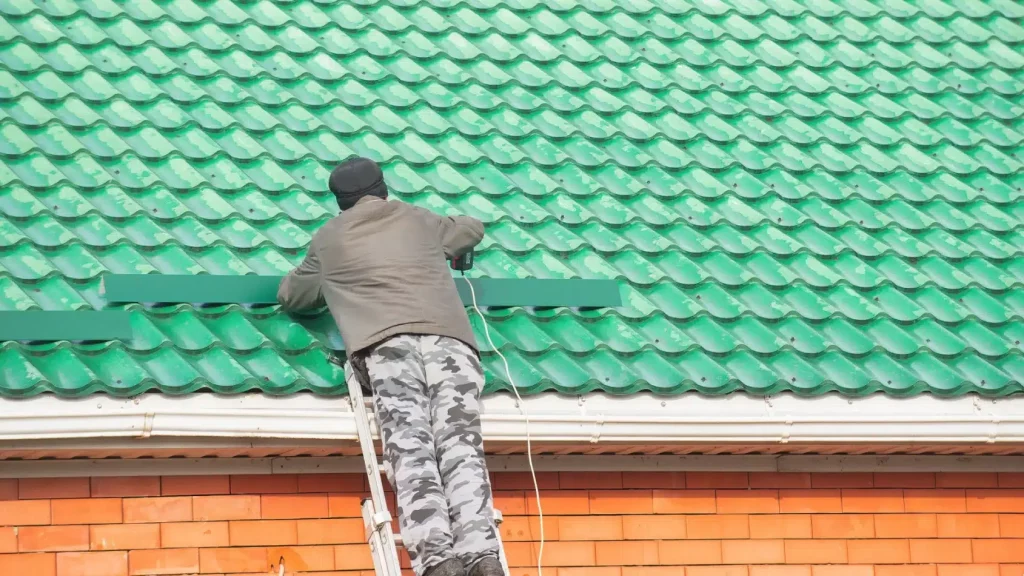
The Importance of a Timely Roof Replacement
A roof is a critical component of your home, protecting it from the elements and ensuring the safety and comfort of your family. When a roof reaches the end of its lifespan or sustains substantial damage, timely replacement is crucial to prevent further issues like water leaks, structural damage, and interior deterioration. Knowing how long it takes to replace a roof helps you prepare for the project and its potential impact on your daily life.
Factors Influencing Roof Replacement Duration
The duration of a roof replacement project can vary widely based on several key factors:
- Roof Size and Complexity:
- The size and complexity of your roof play a significant role in how long the replacement process will take. A simple, single-story roof will generally be faster to replace than a complex, multi-story roof with various angles and features.
- Materials Used:
- The type of roofing material you choose can impact the timeline. Asphalt shingles are often quicker to install compared to materials like tile or slate, which require more time and care.
- Weather Conditions:
- Weather can be a major factor in how long a roof replacement takes. Rain, snow, or high winds can delay the project, while favorable weather conditions can speed it up.
- Roof Deck Condition:
- The condition of the roof deck (the structure underneath the roofing material) can affect the timeline. If the deck is damaged or needs repair, this will add time to the project.
- Underlayment and Ventilation:
- The installation of underlayment and proper ventilation can impact the duration. Ensuring these components are installed correctly is essential for the long-term performance of your new roof.
- Contractor Experience:
- The experience and efficiency of the roofing contractor you hire can influence how long the replacement takes. Experienced professionals often complete projects more quickly.
Typical Timelines for Roof Replacement
On average, a roof replacement project can take anywhere from a few days to a couple of weeks. Here’s a general breakdown of the timeline:
- Preparation (1-2 Days):
- The first step involves preparing the site, which includes removing the old roofing material, inspecting the roof deck, and making any necessary repairs.
- Installation (1-7 Days):
- The installation phase is where the bulk of the work occurs. This includes installing the underlayment, ventilation, and the new roofing material. The duration depends on the size and complexity of your roof.
- Cleanup and Inspection (1-2 Days):
- After the installation is complete, there will be a cleanup phase to remove debris and ensure the site is left in good condition. An inspection may also be conducted to verify the quality of the work.
- Final Touches (1 Day):
- The final day involves completing any finishing touches, such as sealing seams, flashing installation, and ensuring that the roof is watertight.
Planning for a Roof Replacement
To ensure a smooth and timely roof replacement, consider the following tips:
- Obtain multiple quotes from reputable roofing contractors to get a clear understanding of project costs and timelines.
- Check the contractor’s references and ask about their experience and efficiency.
- Be prepared for unexpected delays due to weather or unexpected repairs.
- Make accommodations for any temporary disruptions the project may cause to your daily routine.
Conclusion
Understanding how long it takes to replace a roof is essential for planning and budgeting for this significant home improvement project. The timeline can vary based on factors like roof size, materials used, weather conditions, and the experience of the contractor. By working with a professional contractor and considering the specific circumstances of your roof, you can ensure a timely and successful roof replacement that safeguards your home for years to come.

Leave a Reply