Lead has been used in various industries for centuries, including in roofing materials. Its unique properties and versatility make it an attractive choice for certain roofing applications. In this article, we will explore the use of lead in roofing materials, discussing its benefits, considerations, and important factors to keep in mind.
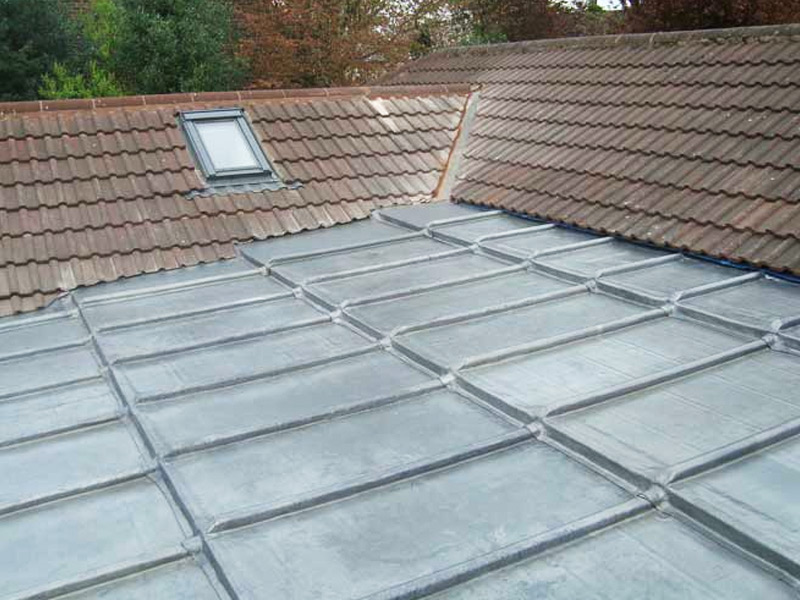
The Versatility of Lead in Roofing
Lead offers several beneficial properties that make it a versatile material for roofing applications.
Lead has been used in roofing for centuries due to its durability and resistance to corrosion. It is particularly well-suited for flat or low-pitched roofs, where its flexibility allows it to conform to various shapes and contours. Additionally, lead is highly malleable, making it an excellent choice for intricate roof details and flashing.
Benefits of Lead in Roofing Material
Lead offers a range of benefits when used in roofing materials.
One of the primary advantages of lead roofing material is its exceptional longevity. When properly installed and maintained, lead roofs can last for well over a century. This long lifespan reduces the need for frequent roof replacements, making it a cost-effective choice in the long run.
Lead is also highly resistant to extreme weather conditions, including heavy rain, snow, and hail. It provides a reliable barrier against water penetration, ensuring the protection of the underlying structure. Additionally, lead roofs have excellent thermal properties, helping to regulate the temperature within the building and potentially reducing energy costs.
Another benefit of lead roofing is its aesthetic appeal. Lead develops a natural patina over time, which gives it an attractive, weathered look that enhances the character of a building. It can complement both modern and traditional architectural styles, making it a popular choice for heritage buildings and contemporary designs alike.
Considerations and Environmental Impact
While lead roofing materials offer various benefits, there are important considerations and potential environmental impacts to be aware of.
One significant consideration is the potential health risks associated with lead. Although lead is a durable and stable material, it can pose health hazards if it is damaged or improperly handled during installation or repair. It is crucial to hire experienced professionals who are trained in working with lead and follow proper safety protocols.
Another consideration is the environmental impact of lead. While lead is a natural and abundant resource, its extraction and production can have environmental consequences. It is important to choose lead roofing materials from reputable manufacturers that adhere to sustainable practices and minimize the environmental footprint.
Additionally, some regions have specific regulations and restrictions on the use of lead in roofing materials. It is essential to familiarize yourself with local building codes and guidelines to ensure compliance and obtain necessary permits before installing lead roofing.
Maintenance and Care
Proper maintenance and care are essential for maximizing the benefits of lead roofing material.
Regular inspections are crucial to identify any signs of damage, such as cracks, corrosion, or loose seams. Prompt repairs or replacements should be undertaken to prevent water infiltration and maintain the integrity of the roof. Routine cleaning and removal of debris can also help extend the lifespan of the lead roof.
Conclusion:
Lead in roofing material offers a range of benefits, including durability, versatility, and aesthetic appeal. However, it is essential to consider the potential health risks, environmental impact, and local regulations associated with lead. By understanding these considerations and ensuring proper installation, maintenance, and care, you can enjoy the longevity and beauty of lead roofing while minimizing any associated risks.
Leave a Reply