When choosing the right roofing material for your home, metal, and asphalt stand out as two popular options, renowned for their durability and longevity. However, applying qualified coatings to these roofing materials can further enhance their performance and extend their lifespan. In this article, we will explore the benefits of using qualified coatings on metal and asphalt roofs, the types of coatings available, and how they can contribute to the overall durability and protection of your roof.
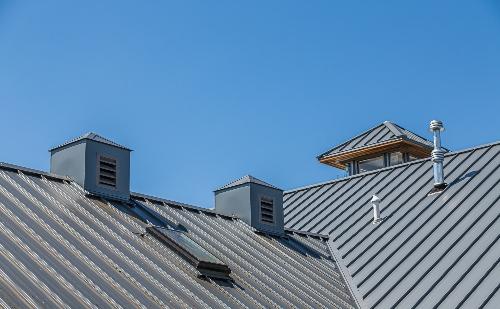
Understanding Qualified Coatings for Metal and Asphalt Roofs:
Qualified coatings, also known as roof coatings or roof sealants, are specially formulated products designed to protect and improve the performance of roofing materials. They are applied as a liquid that dries and forms a protective layer on the roof surface. These coatings can provide a range of benefits, including increased weather resistance, UV protection, and improved energy efficiency.
Benefits of Coating Metal Roofs:
Enhanced Weather Resistance: Metal roofs are naturally durable and resistant to many environmental factors. However, applying a qualified coating can further enhance their weather resistance, protecting them from harsh elements such as rain, snow, hail, and UV rays.
Reflective Properties: Some qualified coatings for metal roofs have reflective properties, which can help reduce heat absorption and keep the building cooler during hot weather. This can lead to energy savings on cooling costs.
Rust Prevention: For metal roofs, coatings with rust-inhibiting properties can prevent or slow down the development of rust, adding to the roof’s longevity and appearance.
Advantages of Coating Asphalt Roofs:
Improved Waterproofing: Asphalt shingles can become vulnerable to water damage over time. Qualified coatings provide an additional layer of waterproofing, reducing the risk of leaks and moisture intrusion.
UV Protection: UV rays from the sun can cause asphalt shingles to degrade and fade. Roof coatings with UV protection help maintain the color and appearance of the shingles while extending their lifespan.
Energy Efficiency: Some coatings for asphalt roofs have reflective qualities that can reduce heat absorption, leading to lower cooling costs during warm weather.
Types of Qualified Coatings:
Acrylic Coatings: Acrylic roof coatings are popular for both metal and asphalt roofs due to their versatility, flexibility, and UV resistance. They can be applied to various roofing materials and offer excellent protection against the elements.
Silicone Coatings: Silicone roof coatings have a reputation for their water resistance and UV stability. They are ideal for flat or low-slope roofs and can provide exceptional protection in harsh weather conditions.
Polyurethane Coatings: Polyurethane roof coatings offer outstanding durability and flexibility. Metal roofs commonly use them, and they can withstand extreme temperature fluctuations without cracking or peeling.
Conclusion: Extending Roof Lifespan with Qualified Coatings
Applying qualified coatings to metal and asphalt roofs can significantly enhance their performance and extend their lifespan. These coatings offer various benefits, including increased weather resistance, UV protection, and improved energy efficiency. Whether you have a metal or asphalt roof, consulting with a roofing professional to select the right qualified coating can help maximize the protection and durability of your roof for years to come.
Remember, proper roof maintenance and regular inspections are essential for ensuring the long-term health and performance of your roof. Regularly check for any signs of wear or damage, and promptly address any issues to keep your roof in top condition.
Leave a Reply