Greenhouses are an excellent way to grow fresh vegetables, herbs, and flowers year-round. But what if you have limited space in your backyard? One innovative solution is adding a small greenhouse to the roof of your house. This setup allows you to cultivate plants while maximizing your home’s space and energy efficiency. In this article, we’ll explore the benefits, considerations, and steps to successfully install a rooftop greenhouse.
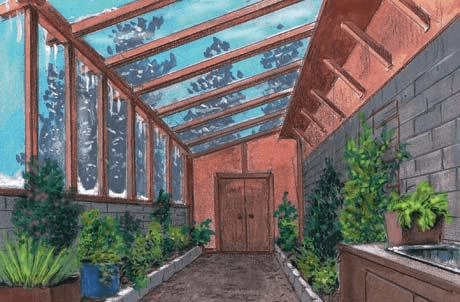
Why Consider Adding A Small Greenhouse To The Roof Of Your House?
1. Efficient Use of Space
Urban gardening has become increasingly popular as more people seek sustainable ways to grow their own food. A rooftop greenhouse utilizes an area that often goes unused, giving you extra room for gardening without taking up valuable land.
Read too: Hail Damage Roof Repair: Essential Guide to Restoring Your Home’s Protection
2. Energy Efficiency and Sustainability
Rooftop greenhouses can act as natural insulators, reducing heat loss in the winter and providing shade during hot summers. This can help lower energy bills and improve your home’s overall sustainability. Additionally, using rainwater collection systems and solar panels can further enhance the eco-friendly benefits of your greenhouse.
3. Year-Round Gardening
Unlike traditional outdoor gardens, a greenhouse offers a controlled environment that extends the growing season. Whether it’s winter or summer, you can cultivate fresh vegetables, herbs, and flowers all year long.
4. Improved Air Quality
Plants naturally purify the air by absorbing carbon dioxide and releasing oxygen. A greenhouse on your roof can contribute to better air quality inside and outside your home, making it a healthier place to live.
Key Considerations Before Adding A Small Greenhouse To The Roof Of Your House
Before you start constructing a rooftop greenhouse, there are several factors to consider:
1. Structural Integrity of Your Roof
Not all roofs are built to support the extra weight of a greenhouse. Consult with a structural engineer to determine whether your roof can handle the added load. Reinforcements may be necessary to ensure safety and stability.
2. Access and Convenience
Consider how you’ll access your greenhouse. Will you need a ladder, staircase, or direct access from inside your home? Ensuring safe and easy entry is essential for regular maintenance and plant care.
3. Sunlight Exposure
Since greenhouses rely on sunlight, your roof should receive adequate direct sunlight throughout the day. Avoid placing your greenhouse in shaded areas or locations blocked by taller buildings.
4. Local Building Codes and Regulations
Check with local authorities regarding zoning laws, building permits, and height restrictions. Some areas have regulations on rooftop structures, so it’s important to ensure compliance before proceeding.
5. Waterproofing and Drainage
A greenhouse adds moisture to your roof, which can lead to leaks if not properly managed. Install a waterproof membrane and an efficient drainage system to prevent water damage to your home.
Steps to Building A Small Greenhouse On Your Roof
1. Choose the Right Greenhouse Design
There are various greenhouse styles to consider, such as:
- Lean-to Greenhouse – Built against an existing wall for extra support and insulation.
- Freestanding Greenhouse – A standalone structure offering full exposure to sunlight.
- Dome or Geodesic Greenhouse – Provides excellent wind resistance and even light distribution.
Select a design that best fits your space, budget, and structural requirements.
2. Select High-Quality Materials
Durable materials ensure the longevity of your rooftop greenhouse. Popular choices include:
- Frame: Aluminum (lightweight and rust-resistant) or wood (aesthetic appeal but requires maintenance).
- Glazing: Polycarbonate panels (UV-resistant and impact-resistant) or tempered glass (excellent light transmission but heavier).
3. Install a Strong Foundation
Since your greenhouse will be elevated, it needs a stable and secure foundation. Options include:
- Steel or aluminum framing for lightweight support.
- Wooden platforms with waterproof coatings.
4. Set Up a Proper Ventilation System
Proper airflow is crucial to regulate temperature and humidity. Consider installing:
- Roof vents and side vents to release excess heat.
- Exhaust fans for better air circulation.
- Automatic vent openers to adjust airflow based on temperature changes.
5. Optimize Irrigation and Water Management
A rooftop greenhouse requires an efficient water system to keep plants hydrated without causing leaks. Options include:
- Drip irrigation systems for precise watering.
- Rainwater collection for sustainable watering solutions.
6. Implement Heating and Cooling Systems
To maintain an optimal growing environment year-round, consider:
- Solar-powered heaters for cold months.
- Shade cloths or reflective coatings for summer heat reduction.
Best Plants to Grow in a Rooftop Greenhouse
1. Vegetables
- Lettuce, spinach, and kale (cool-season crops).
- Tomatoes, peppers, and cucumbers (warm-season crops).
2. Herbs
- Basil, mint, thyme, and rosemary.
3. Fruits
- Strawberries, dwarf citrus trees, and figs.
4. Flowers and Ornamentals
- Marigolds, petunias, and succulents.
Maintenance Tips for Your Rooftop Greenhouse
1. Regular Cleaning
Keep the glass or polycarbonate panels clean to ensure maximum light penetration.
2. Pest Control
Inspect plants regularly for pests. Use organic pest control methods like neem oil or beneficial insects such as ladybugs.
3. Check for Structural Issues
Monitor the roof for signs of leaks or damage. Reinforce any weak areas as needed.
4. Monitor Temperature and Humidity
Install a thermometer and hygrometer to track climate conditions inside your greenhouse.
Final Thoughts on Adding A Small Greenhouse To The Roof Of Your House
Adding a small greenhouse to the roof of your house is a fantastic way to create a sustainable, space-saving garden. It allows you to grow fresh produce year-round while improving your home’s energy efficiency and air quality. Before starting your project, ensure your roof can support the structure, comply with local regulations, and invest in proper materials for long-term success. With careful planning and maintenance, your rooftop greenhouse can become a productive and eco-friendly oasis.

Leave a Reply