When it comes to expanding living spaces or adding an extension to your house, attaching a gable roof to the side can be an excellent architectural solution. Attaching Gable Roof to Side of House provides not only functional advantages but also aesthetic appeal. In this article, we’ll explore the design considerations and installation process for this type of roofing structure.
Understanding the Appeal of Gable Roofs:
Gable roofs are a popular choice for their classic triangular shape and effective drainage system. Attaching one to the side of your house can create an extended area that serves as a porch, patio, or even an additional room. This design choice not only adds value to your property but also enhances its curb appeal.
Design Considerations for Attaching Gable Roof:
- Structural Integrity: Before embarking on this project, it’s crucial to evaluate the existing structure of your house. The attachment point needs to be strong enough to support the additional weight and withstand external forces like wind and snow. Consulting a structural engineer is advised to ensure safety.
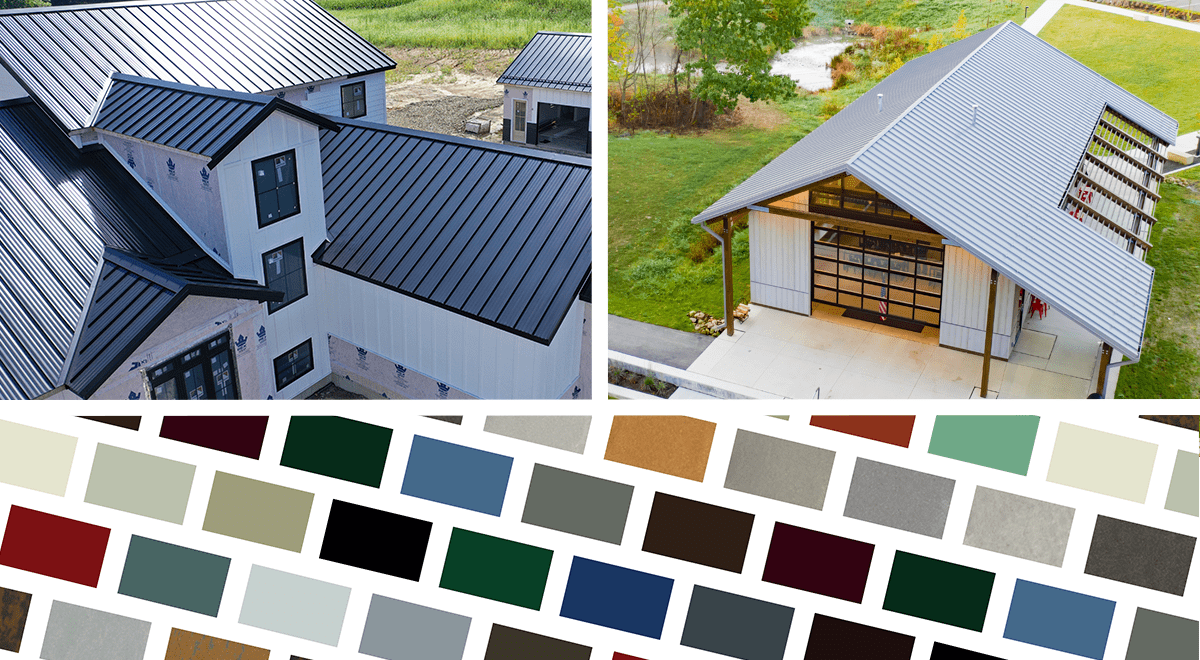
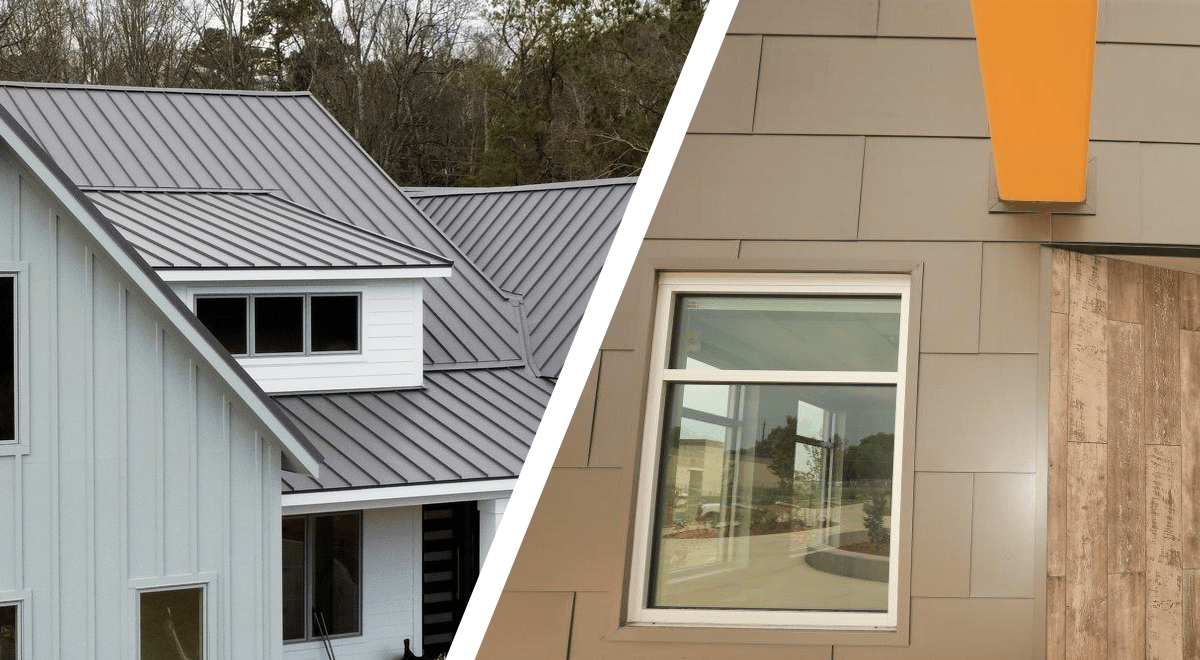
- Aesthetic Integration: The gable roof should seamlessly blend with the existing architecture of your home. Consider the materials, color palette, and overall style to create a cohesive and visually pleasing transition between the new roof and the original structure.
- Roof Pitch and Drainage: Proper roof pitch is essential for effective drainage and to prevent water pooling. The pitch should be sufficient to allow rainwater and snow to flow away easily. Designing a proper gutter system is also crucial to direct water away from the house’s foundation.
Installation Process:
- Permits and Regulations: Before starting any construction, ensure you have the necessary permits and adhere to local building codes. Compliance with regulations is crucial to avoid legal issues and ensure safety.
- Prepare the Site: Clear the area and mark the attachment points on the side of the house. Ensure the surface is clean and free from debris. Any necessary repairs or reinforcements should be done at this stage.
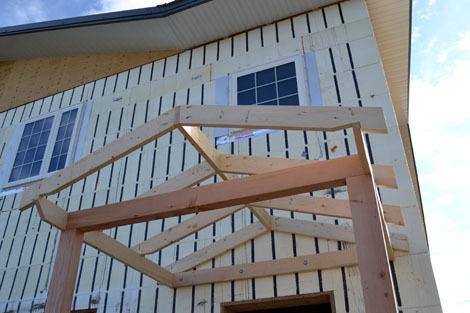
- Frame the Gable: Construct the framework for the gable roof. This involves creating the triangular truss system that forms the roof’s shape. Precise measurements and cuts are essential to ensure the structure is stable.
- Attach to the House: Carefully attach the gable roof’s framework to the side of the house. Use appropriate fasteners and techniques to securely join the new structure with the existing one. This step requires accuracy to maintain structural integrity.
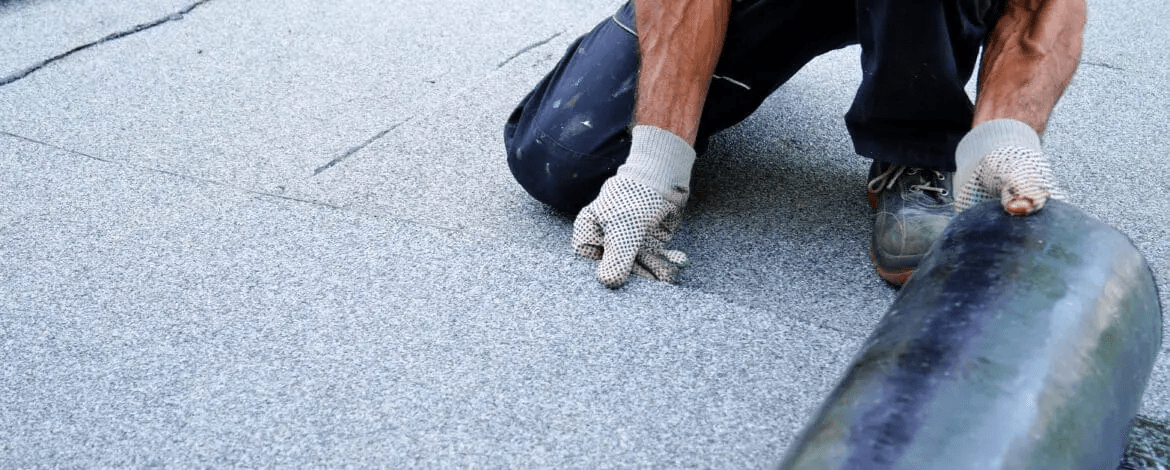
- Roofing and Finishing: Once the framework is in place, add the roofing material of your choice. This could be shingles, metal sheets, or other suitable materials. Ensure proper insulation to create a comfortable and energy-efficient space.
Conclusion:
Attaching a Gable Roof to the Side of a House is a design choice that can enhance both the functionality and appearance of your home. Through careful design considerations, adherence to regulations, and precise installation, you can create a seamless extension that provides a versatile outdoor or indoor space. Remember to prioritize structural integrity, drainage, and aesthetic integration for a successful project that adds value and charm to your property.
Leave a Reply