Many people recognize the Sydney Opera House instantly, but few truly understand what makes its roof so extraordinary. The Best Known Feature Of The Sydney Opera House Roof is its iconic shell-like structure that resembles sails on a harbor.
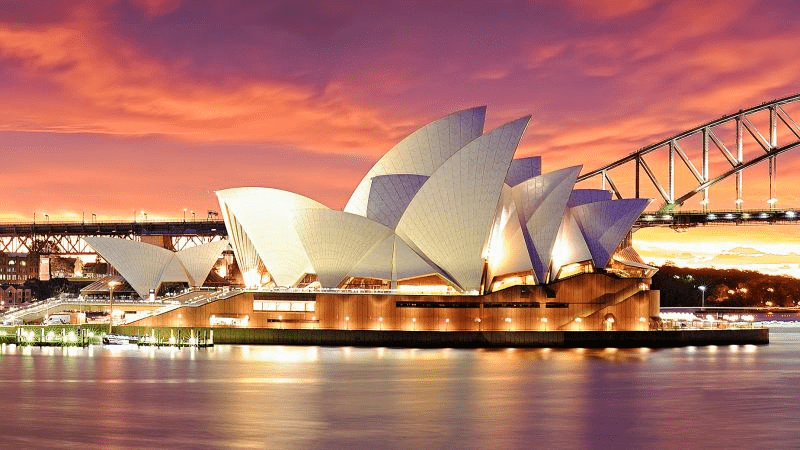
This architectural masterpiece not only transformed modern building design but also became one of the most photographed landmarks in the world. In this guide, we’ll explore the unique roof design, the engineering challenges behind it, and why it continues to inspire architects decades after its construction.
Read too: How Long Do Standing Seam Metal Roofs Last? A Comprehensive Guide to Durability and Longevity
What Is the Best Known Feature Of The Sydney Opera House Roof?
The Best Known Feature Of The Sydney Opera House Roof is its series of large white shell-shaped structures, often described as sails or seashells.
These curved roof shells rise dramatically above the building, creating a sculptural silhouette that stands out against Sydney Harbour.
Key Characteristics of the Roof
- Shell-shaped forms resembling sails
- Interlocking curved segments forming multiple performance halls
- White ceramic tile covering reflecting sunlight
- Geometric spherical design
The roof structure consists of 14 large shells, which together form the distinctive architectural profile seen today.
This innovative design helped the building achieve recognition as a UNESCO World Heritage Site.
For more background about the building and its architecture, see:
https://en.wikipedia.org/wiki/Sydney_Opera_House
Who Designed the Iconic Roof?
The roof was designed by Danish architect Jørn Utzon, who won the international competition to design the Sydney Opera House in 1957.
His concept was revolutionary at the time.
Instead of traditional straight lines or flat roofs, Utzon imagined a building inspired by:
- Ship sails
- Seashells
- Ocean waves
These ideas were influenced by Sydney’s harbor environment.
Key Design Milestones
| Year | Event |
|---|---|
| 1957 | Utzon wins international design competition |
| 1959 | Construction begins |
| 1966 | Utzon resigns due to political disputes |
| 1973 | Sydney Opera House officially opens |
Today, Utzon is widely regarded as one of the most innovative architects of the 20th century.
Why the Roof Design Was Revolutionary
The Sydney Opera House roof pushed architectural boundaries.
At the time, engineers struggled to figure out how to build the complex curves.
Major Engineering Challenges
- Designing consistent curved shapes
- Supporting extremely heavy roof shells
- Constructing large prefabricated segments
- Ensuring structural stability
After years of experimentation, engineers solved the problem using a spherical geometry system.
This meant every shell could be created from sections of the same sphere, allowing the structure to be built efficiently.
The Engineering Behind the Roof Shells
The roof structure is composed of over 2,400 precast concrete ribs.
These ribs support the shell segments and distribute the weight evenly.
Important Roof Facts
| Feature | Details |
|---|---|
| Total roof shells | 14 |
| Precast concrete ribs | 2,400+ |
| Ceramic tiles | Over 1 million |
| Construction years | 1959–1973 |
Each shell was assembled using prefabricated pieces, which greatly simplified construction.
What Material Covers the Roof?
Another key feature of the roof is its distinctive white ceramic tile surface.
The roof contains more than 1 million tiles manufactured in Sweden.
Why Ceramic Tiles Were Used
The tiles were chosen because they:
✔ Reflect sunlight
✔ Resist weather damage
✔ Maintain color over time
✔ Reduce glare
Interestingly, the tiles are not pure white.
Instead, they combine two finishes:
- Glossy white
- Matte cream
This combination helps reduce reflection from the intense Australian sun.
Why the Roof Looks Like Sails
One reason the roof became famous is its resemblance to sailing boats in Sydney Harbour.
The curved shells appear like sails catching wind.
This visual effect connects the building to its coastal environment.
Architectural historians often describe the design as organic architecture, meaning it draws inspiration from nature.
Construction Challenges and Breakthroughs
The Sydney Opera House roof was considered one of the most complex construction projects of its time.
Problems Builders Faced
- No computer modeling tools in the early design stages
- Difficulty calculating curved structures
- Massive construction costs
Initially, engineers tested over 12 different roof designs before finding a workable solution.
The breakthrough came when they realized all shells could be derived from a single sphere with a radius of 75 meters.
This allowed engineers to standardize construction elements.
How the Roof Changed Modern Architecture
The Opera House roof influenced architectural design worldwide.
Today, many iconic buildings use similar ideas.
Examples of Inspired Designs
- Cultural centers
- Airports
- Stadium roofs
- Museum architecture
Architects learned that bold sculptural forms could also function structurally.
The Opera House proved that architecture could be both artistic and functional.
Sydney Opera House Roof in Numbers
To understand the scale of the project, consider these statistics.
| Measurement | Value |
|---|---|
| Roof height | 67 meters |
| Total tiles | 1,056,006 |
| Shell segments | 14 |
| Construction cost | ~$102 million |
| Visitors per year | Over 10 million |
These numbers highlight how ambitious the project was.
Why the Roof Became a Global Symbol
Today, the Sydney Opera House roof is one of the most recognizable architectural designs in the world.
Reasons for its global recognition
1. Unique silhouette
No other building looks like it.
2. Perfect location
Situated beside Sydney Harbour.
3. Cultural importance
Hosts thousands of performances each year.
4. Architectural innovation
Pushed engineering boundaries.
Because of these factors, the building became a symbol of both Australia and modern architecture.
Interesting Facts About the Sydney Opera House Roof
Here are some surprising facts about the roof.
1. The roof tiles are self-cleaning
Rainwater helps wash dirt from the tile surface.
2. Each shell is structurally independent
The shells distribute weight separately through large concrete ribs.
3. The roof took longer to design than the interior
The roof structure caused major delays during construction.
4. It was controversial at first
Many critics initially believed the design was impossible to build.
Today, it is celebrated as a masterpiece.
FAQ: Best Known Feature Of The Sydney Opera House Roof
What is the most famous feature of the Sydney Opera House roof?
The most famous feature is its large shell-shaped structures, which resemble sails rising above Sydney Harbour.
How many shells are on the Sydney Opera House roof?
The roof contains 14 shell segments that form the building’s distinctive architectural shape.
What materials are used in the Opera House roof?
The roof structure uses precast concrete ribs and is covered with over one million ceramic tiles.
Why was the Sydney Opera House roof difficult to build?
The complex curved geometry made it difficult to design using traditional engineering methods, especially before modern computer modeling.
Who designed the Sydney Opera House roof?
The building and its iconic roof were designed by Danish architect Jørn Utzon, who won the design competition in 1957.
Why does the roof look like sails?
The sail-like appearance was intentional, reflecting Sydney’s maritime culture and the harbor environment surrounding the building.
Conclusion
The Best Known Feature Of The Sydney Opera House Roof is its remarkable shell-shaped design that resembles sails rising above the harbor. This innovative structure revolutionized architectural design and demonstrated how bold artistic vision could combine with advanced engineering.
From its one million ceramic tiles to its 14 dramatic roof shells, the Sydney Opera House remains one of the most iconic buildings ever created.
Its design continues to inspire architects, engineers, and artists around the world.
If you enjoyed learning about this architectural marvel, feel free to share this article on social media so others can discover the fascinating story behind one of the world’s most famous roofs.

Leave a Reply