Finding the Best Stuff To Cover Roof Of A Trailer House is essential if you want to prevent leaks, extend roof life, and protect your home from weather damage. Trailer houses and mobile homes often have lightweight roofing structures that require materials specifically designed for durability and flexibility.
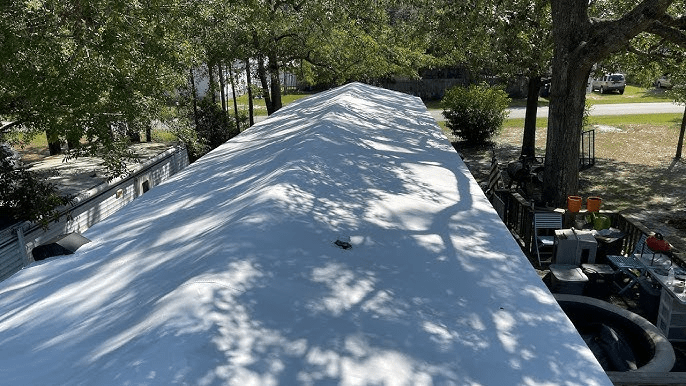
If the wrong roofing material is used, problems like water leaks, rust, and heat buildup can appear quickly. Fortunately, several roofing solutions are designed specifically for trailer homes. In this guide, you’ll learn the best roof coverings, their pros and cons, and how to choose the right one for your trailer house.
Read too: How Long Do Standing Seam Metal Roofs Last? A Comprehensive Guide to Durability and Longevity
Why Trailer House Roofs Need Special Covering
Trailer homes have different roofing requirements compared to traditional houses.
Unlike standard residential roofs, trailer roofs are usually:
- Flatter in slope
- Made from lightweight materials
- More exposed to expansion and contraction
Because of these factors, using the Best Stuff To Cover Roof Of A Trailer House helps prevent structural damage.
According to housing maintenance studies, roof leaks are the most common repair issue in mobile homes, especially those older than 15 years.
A proper roof covering provides several benefits:
1. Waterproof Protection
Prevents rainwater from entering seams and joints.
2. Heat Reflection
Reduces indoor temperatures during hot weather.
3. Structural Protection
Protects the roof from rust, UV damage, and cracking.
For an overview of roofing construction and materials, see:
https://en.wikipedia.org/wiki/Roof
What Is the Best Stuff To Cover Roof Of A Trailer House?
There are several materials designed for trailer roofs. The best option depends on your budget, climate, and roof condition.
Below are the most popular and reliable roof coverings used by homeowners and contractors.
1. Elastomeric Roof Coating (Best Overall)
Elastomeric coatings are one of the most common trailer roof coverings.
They form a flexible waterproof membrane over the roof surface.
Key Advantages
- Highly flexible
- Reflects sunlight
- Seals small cracks
- Easy DIY installation
Lifespan
Typically 10–20 years with proper maintenance.
Best Use
- aging trailer roofs
- minor leaks
- preventative protection
Many mobile home experts recommend elastomeric coating because it expands and contracts with metal roofing.
2. Rubber Roofing (EPDM)
EPDM rubber roofing is widely used in RVs and trailer homes.
Features
- durable synthetic rubber membrane
- excellent waterproofing
- strong resistance to UV damage
Advantages
- long lifespan (20–30 years)
- excellent flexibility
- minimal maintenance
Downsides
- higher installation cost
- professional installation often required
Rubber roofing works especially well for flat or low-slope trailer roofs.
3. Metal Roofing Panels
Metal panels are another excellent covering option.
Why Metal Works Well
Metal roofing is durable and resists weather damage effectively.
Benefits
- lifespan of 40–60 years
- excellent rain protection
- fire resistant
Downsides
- higher upfront cost
- requires structural support
Metal roofing is often used for full trailer roof replacements.
4. TPO Roofing Membrane
TPO (Thermoplastic Polyolefin) is a modern roofing membrane used in commercial and mobile home roofs.
Advantages
- highly reflective surface
- energy-efficient
- durable against UV rays
Lifespan
Typically 20–25 years.
Best for
- hot climates
- energy-efficient upgrades
5. Asphalt Shingles (Budget Option)
Although less common, asphalt shingles can be used if the trailer roof structure allows.
Advantages
- affordable
- widely available
- familiar installation process
Disadvantages
- heavier than other options
- shorter lifespan (15–25 years)
Shingles are usually installed on trailers with pitched roof upgrades.
Trailer Roof Covering Comparison Table
| Roofing Material | Lifespan | Cost Level | Best Use |
|---|---|---|---|
| Elastomeric Coating | 10–20 yrs | Low | Roof sealing |
| Rubber (EPDM) | 20–30 yrs | Medium | Flat roofs |
| Metal Panels | 40–60 yrs | High | Full roof replacement |
| TPO Membrane | 20–25 yrs | Medium | Hot climates |
| Asphalt Shingles | 15–25 yrs | Low | Sloped roofs |
Expert Tip:
For older trailers with minor leaks, elastomeric coatings provide the best balance of affordability and protection.
How to Apply Roof Covering Step-by-Step
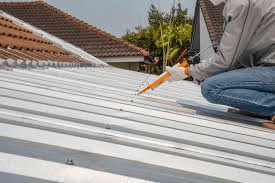
If you choose roof coating, you can often apply it yourself.
Follow these steps carefully.
Step 1: Clean the Roof Surface
Dirt prevents coatings from bonding properly.
Use:
- water
- mild detergent
- soft brush
Example cleaning solution:
- 2 liters of water
- 50 ml dish soap
Scrub gently and rinse thoroughly.
Allow the roof to dry completely.
Step 2: Inspect for Damage
Check the roof carefully for:
- rust spots
- cracks
- loose screws
- damaged seams
Repair these areas before applying the roof covering.
Step 3: Seal Roof Seams
Use seam sealant on:
- joints
- fastener heads
- flashing
Allow the sealant to cure for 4–6 hours.
Step 4: Apply Roof Coating
Using a roller or brush, apply elastomeric coating evenly.
Recommended coverage:
1 gallon per 80–100 square feet
Apply two coats for better protection.
Step 5: Allow Proper Drying
Drying time usually requires:
- 24 hours initial drying
- 48 hours full curing
Avoid rain exposure during this period.
Expert Tips for Longer Trailer Roof Life
Professional contractors often recommend the following practices.
Inspect Your Roof Twice Per Year
Check for damage during:
- spring
- fall
Regular inspections prevent small problems from becoming major repairs.
Maintain Proper Drainage
Standing water can damage roof materials over time.
Ensure water flows properly toward roof edges or gutters.
Reapply Protective Coatings
Roof coatings should typically be reapplied every 8–10 years.
This greatly extends roof lifespan.
Common Mistakes When Covering Trailer Roofs
Avoid these mistakes to prevent costly repairs.
Skipping Roof Cleaning
Sealants and coatings will fail quickly if applied to dirty surfaces.
Ignoring Small Cracks
Small cracks can quickly grow into leaks during heavy rain.
Repair them immediately.
Applying Coatings Too Thin
Thin coatings break down faster.
Always follow recommended coverage rates.
FAQ: Best Stuff To Cover Roof Of A Trailer House
What is the best roofing material for a trailer house?
Elastomeric roof coatings and EPDM rubber roofing are among the most effective materials for trailer roofs due to their flexibility and waterproof performance.
How long does trailer roof coating last?
Most roof coatings last 10–20 years, depending on climate and maintenance.
Can I install trailer roof covering myself?
Yes. Many homeowners successfully apply roof coatings themselves. However, membrane roofing installations may require professional help.
What is the cheapest way to cover a trailer roof?
Elastomeric roof coating is often the most affordable solution while still providing reliable waterproof protection.
How often should trailer roofs be resealed?
Experts recommend resealing every 8–10 years or whenever cracks and leaks appear.
Does roof coating stop leaks permanently?
Roof coatings can stop leaks effectively, but periodic maintenance is required to maintain long-term protection.
Conclusion
Choosing the Best Stuff To Cover Roof Of A Trailer House is crucial for protecting your home from leaks, weather damage, and heat buildup. Options like elastomeric coatings, EPDM rubber roofing, metal panels, and TPO membranes provide strong protection depending on your budget and roof condition.
For most trailer homeowners, elastomeric coatings offer the best balance of affordability, flexibility, and easy installation.
By choosing the right roofing material and performing regular maintenance, you can extend your trailer roof’s lifespan and avoid expensive repairs.
If you found this guide helpful, consider sharing it on social media to help other trailer homeowners protect their roofs and prevent costly leaks.
Leave a Reply