Introduction
Building a tiny house requires careful selection of materials to ensure durability, efficiency, and aesthetic appeal. One crucial yet often overlooked component is the fascia board on the roof of a tiny house. The fascia board plays an important role in protecting the roof’s edges, supporting the gutters, and providing a clean, finished look.
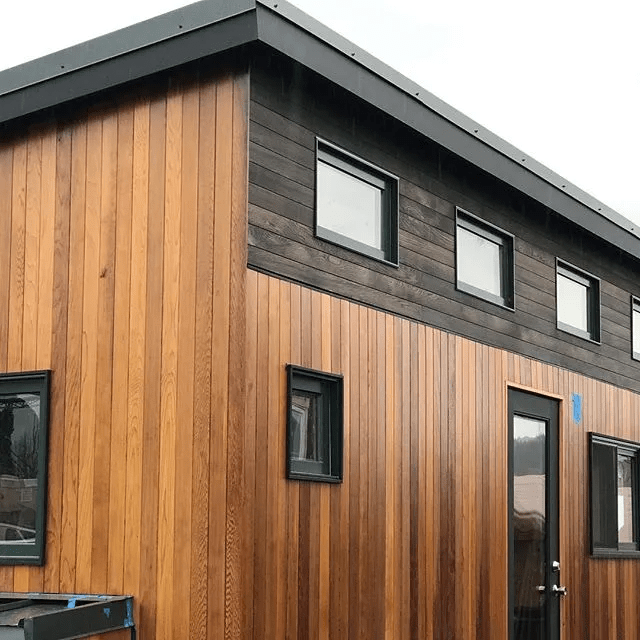
If you’re wondering, “What is the best wood to use for roof tiny house fascia board?“, this guide will help you choose the most suitable wood for your project. We’ll explore different wood options, their pros and cons, and key factors to consider before making a decision.
Read too: Is It Reasonable to Ask the Seller to Replace the Roof?
What Is a Fascia Board and Why Is It Important?
Before diving into the best wood choices for a tiny house roof fascia board, it’s essential to understand its function.
A fascia board is the horizontal board attached to the edge of a roof, serving several purposes:
- Protects the Roof Structure – Shields the rafter ends and roof edge from moisture, preventing wood rot.
- Supports Gutters – Provides a strong attachment point for gutters, helping with water drainage.
- Enhances Appearance – Creates a finished, polished look for the roofline.
- Increases Longevity – Prevents wind, rain, and pests from damaging the roofing system.
For tiny houses, where space and weight are key considerations, selecting the right wood for the fascia board is crucial.
Best Wood To Use For Roof Tiny House Fascia Board
Choosing the best wood for a tiny house fascia board involves considering weather resistance, durability, weight, and cost. Below are the top wood choices for fascia boards in tiny houses.
1. Cedar – The Best Choice for Durability and Weather Resistance
✅ Pros:
- Naturally resistant to rot, decay, and insects.
- Lightweight, making it ideal for tiny house construction.
- Holds paint and stain well, allowing for customization.
- Offers a rustic and attractive grain.
❌ Cons:
- More expensive than other softwoods.
- Requires periodic sealing or staining to maintain longevity.
Why Choose Cedar?
Cedar is one of the best woods for a tiny house roof fascia board because it naturally withstands moisture and weather changes, making it ideal for outdoor applications.
2. Redwood – Premium Choice for Strength and Longevity
✅ Pros:
- Naturally resistant to moisture, rot, and termites.
- Very durable, even in harsh weather conditions.
- Beautiful reddish hue enhances aesthetic appeal.
❌ Cons:
- Expensive compared to other options.
- May be difficult to find in certain locations.
Why Choose Redwood?
If you’re looking for a high-end, long-lasting fascia board material, redwood is an excellent option. It requires minimal maintenance and can last for decades.
3. Pine – Affordable and Readily Available
✅ Pros:
- Budget-friendly, making it a cost-effective choice.
- Easy to work with and lightweight.
- Readily available in most home improvement stores.
❌ Cons:
- Not naturally weather-resistant, so it needs proper sealing.
- Can be susceptible to rot and insects if not maintained.
Why Choose Pine?
If you’re on a budget but still want a reliable fascia board, pine is a good option. Just make sure to paint or seal it properly for outdoor use.
4. Douglas Fir – Strong and Reliable
✅ Pros:
- Very strong and durable.
- Affordable compared to premium hardwoods.
- Holds nails and screws well.
❌ Cons:
- Not naturally resistant to rot and insects.
- Requires regular sealing or painting to extend lifespan.
Why Choose Douglas Fir?
For those looking for a strong yet affordable fascia board, Douglas Fir is a great choice. With proper treatment, it can last for years.
5. Cypress – A Unique Option for Humid Climates
✅ Pros:
- Naturally resistant to rot, decay, and moisture.
- Works well in humid and coastal environments.
- Requires minimal maintenance.
❌ Cons:
- Can be expensive.
- Not as widely available as other wood types.
Why Choose Cypress?
If you live in a humid or rainy climate, Cypress is a fantastic choice due to its moisture resistance.
Key Factors to Consider When Choosing Fascia Board Wood
When selecting the best wood for a tiny house fascia board, consider these important factors:
1. Weather Resistance
Since fascia boards are exposed to the elements, choose a wood type that can withstand rain, sun, and temperature changes. Cedar, redwood, and cypress excel in this area.
2. Weight
Tiny houses have strict weight limitations, so opting for a lightweight wood (like cedar or pine) is beneficial.
3. Cost and Availability
If you’re on a budget, pine and Douglas fir are cost-effective. Cedar and redwood are premium options but can be pricier.
4. Maintenance Requirements
Some woods require staining, sealing, or painting to maintain durability. Choose a material based on how much maintenance you’re willing to do.
How to Maintain a Tiny House Fascia Board
To extend the lifespan of your fascia board, follow these maintenance tips:
- Seal or Paint the Wood – Apply an outdoor-rated sealant, paint, or stain to protect against moisture and UV damage.
- Check for Damage Regularly – Inspect for cracks, rot, or peeling paint, especially after storms.
- Clean Gutters Frequently – Clogged gutters can cause water damage to fascia boards.
- Replace Damaged Sections Promptly – If you notice rot or warping, replace the affected area before it spreads.
Final Thoughts: Choosing the Best Wood To Use For Roof Tiny House Fascia Board
The fascia board is a critical component of any tiny house roof, serving both functional and aesthetic purposes. Selecting the right wood ensures longevity, weather resistance, and a polished finish.
If you’re looking for the best wood to use for roof tiny house fascia board, here’s a quick recap:
- Cedar – Best overall for durability and lightweight properties.
- Redwood – Premium option for long-lasting strength.
- Pine – Budget-friendly but requires sealing.
- Douglas Fir – Strong and affordable, but needs maintenance.
- Cypress – Excellent for humid climates.
By considering cost, maintenance, and climate, you can choose the perfect fascia board material for your tiny house roof.
Leave a Reply