When it comes to home maintenance, replacing your roof is one of the most significant investments you might make. However, timing is crucial, and the question often arises: can you replace a roof in the winter months? In this article, we’ll explore the pros and cons of winter roof replacement and provide you with valuable insights to help you make an informed decision.
Understanding the Challenges of Winter Roof Replacement:
The Cold Weather Factor
Winter brings frigid temperatures, which can make roof replacement more challenging. The shingles become brittle in the cold, making them susceptible to breakage during installation.
Snow and Ice Accumulation
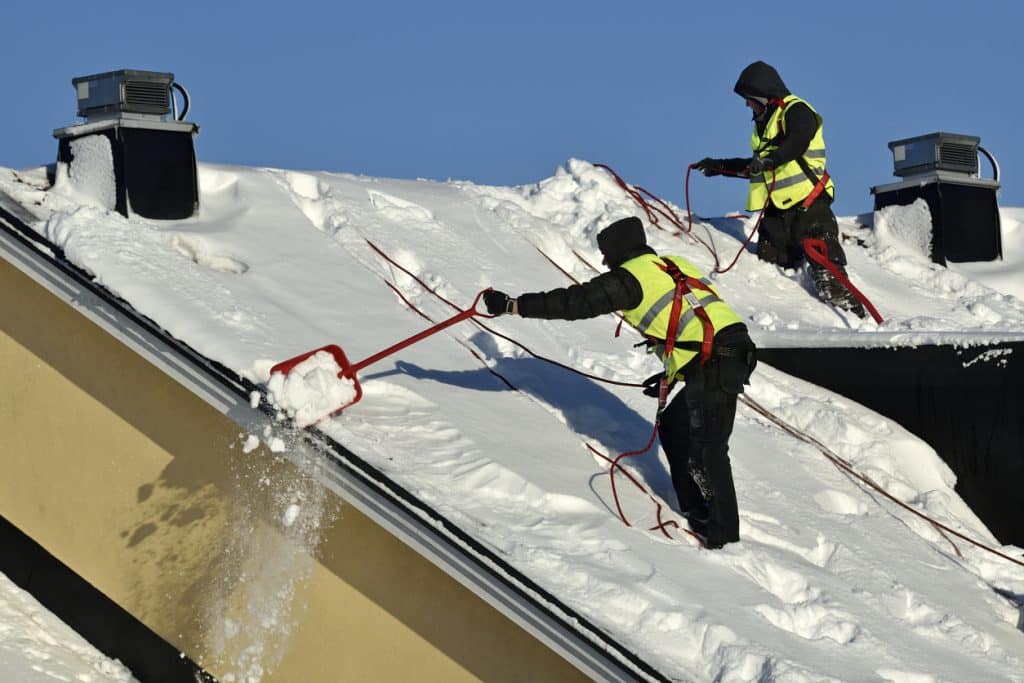
Snow and ice can accumulate on your roof during the winter, making it difficult for roofing professionals to work safely. This can slow down the installation process and even lead to potential safety hazards.
Shorter Days and Less Daylight
With shorter daylight hours during the winter, roofing teams have limited time to work efficiently. This can extend the duration of the project, causing inconveniences for homeowners.
The Advantages of Winter Roof Replacement:
Availability of Roofing Contractors
Since roofing projects are less common in the winter, you may find it easier to schedule a reputable roofing contractor. They might also offer more competitive pricing during the off-season.
Preventing Further Damage
If your roof has significant damage, waiting until spring or summer for replacement could lead to more extensive problems. Prompt winter replacement can prevent further deterioration of your home.
Prepared Roofing Teams
Professional roofing teams are experienced in working in challenging weather conditions. They come equipped with the necessary gear and materials to ensure a successful winter installation.
Tips for a Successful Winter Roof Replacement:
Choose the Right Materials
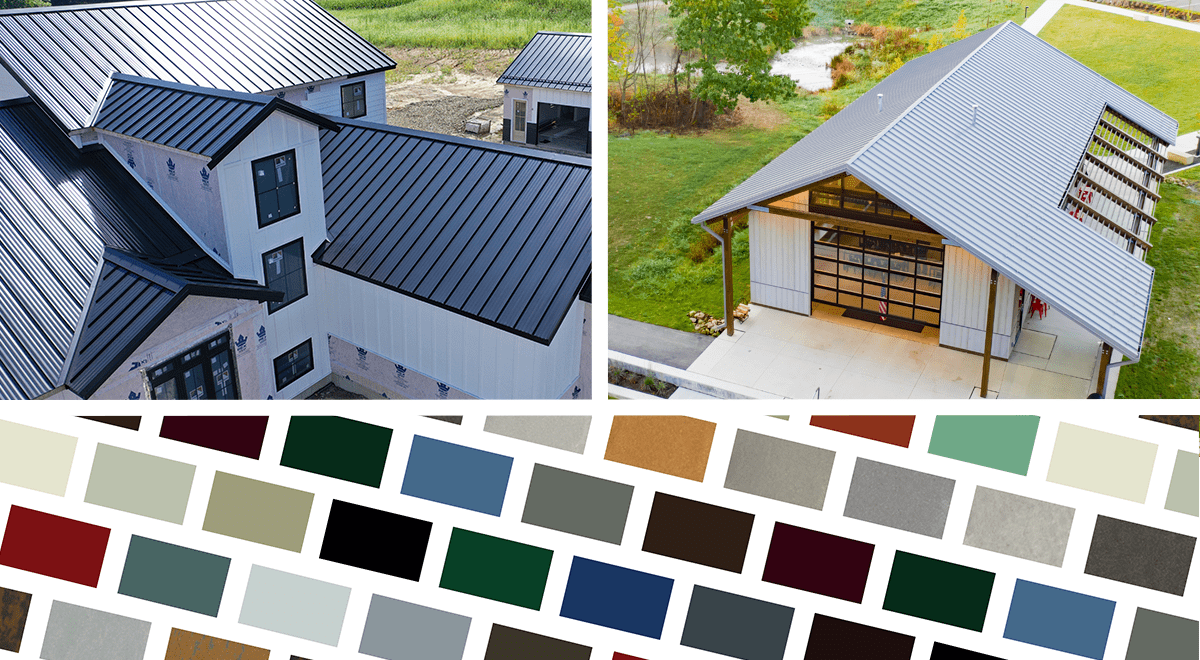
Opt for high-quality roofing materials that can withstand cold temperatures. Discuss your options with your roofing contractor.
Schedule Wisely
Plan your roof replacement during a milder winter period, if possible. Avoid scheduling during severe snowstorms or extreme cold snaps.
Clear Snow and Ice
Before the roofing team arrives, make sure your roof is clear of snow and ice to expedite the process.
Conclusion:
So, can you replace a roof in the winter? Yes, it’s possible, but it comes with its unique set of challenges. If you have a roofing emergency or can’t wait until spring, a winter roof replacement can be a viable option. Just be sure to work with an experienced roofing contractor who understands the complexities of cold-weather installations.
Leave a Reply