If your home feels unusually hot in summer or your energy bills keep climbing, you may be overlooking a key factor above your head. Many homeowners ask: Does The Color Of Your Roof Affect House Temperature? The short answer is yes—but the full explanation involves physics, climate, materials, and smart design choices. This guide breaks everything down clearly so you can make informed decisions that improve comfort and reduce energy costs.
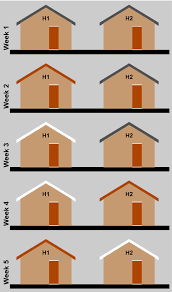
Does The Color Of Your Roof Affect House Temperature? (Short Answer)
Yes—the color of your roof directly affects how much heat your house absorbs and retains. Dark-colored roofs absorb more sunlight and heat, while light-colored roofs reflect more sunlight and stay cooler. This difference can significantly influence indoor temperatures, attic heat buildup, and air conditioning demand.
Read too: Hail Damage Roof Repair: Essential Guide to Restoring Your Home’s Protection
How Roof Color Influences Heat Absorption
The Science Behind Roof Color and Heat
Sunlight carries energy in the form of solar radiation. When it hits your roof, one of three things happens:
- Reflection – Light bounces away
- Absorption – Light converts into heat
- Emission – Heat radiates back into the air
Dark colors absorb more solar radiation, while light colors reflect more.
Key Concept: Albedo
Albedo is a measure of how much sunlight a surface reflects.
- High albedo (light roofs): Reflect more heat
- Low albedo (dark roofs): Absorb more heat
This principle is widely used in architecture and urban planning to reduce heat buildup.
For general background on heat reflection and cool roofing concepts, see this neutral explanation on Wikipedia:
https://en.wikipedia.org/wiki/Cool_roof
Temperature Differences: Dark Roof vs Light Roof
Real-World Temperature Comparison
Studies and field measurements show that:
- Dark roofs can reach 150–190°F (65–88°C) on hot days
- Light or reflective roofs may stay around 100–120°F (38–49°C)
That’s a difference of 40–70°F at the roof surface.
How This Affects Your Home
- Hotter roofs transfer more heat into the attic
- Increased attic heat raises indoor temperatures
- Air conditioners work harder and longer
Does Roof Color Affect Indoor Temperature or Just the Attic?
Roof color affects both, but the impact varies depending on insulation and ventilation.
Homes With Poor Insulation
- Roof color has a major impact
- Dark roofs significantly increase indoor heat
Homes With Good Insulation
- Roof color still matters
- Heat transfer is reduced but not eliminated
Expert Insight: Even well-insulated homes benefit from cooler roofs because HVAC systems run more efficiently under lower thermal load.
How Much Can Roof Color Affect Energy Bills?
Cooling Cost Savings
According to energy efficiency research:
- Cool or light-colored roofs can reduce cooling costs by 10–25%
- Attic temperatures may drop by 20–30°F
Monthly Impact Example
In a warm climate:
- Dark roof: Higher AC runtime
- Light roof: Lower AC usage, longer equipment lifespan
Over time, these savings can offset the initial cost of reflective roofing materials.
Does Roof Color Matter in Cold Climates?
This is a common question—and the answer may surprise you.
Cold Climate Reality
While dark roofs absorb more heat, the heating benefit in winter is minimal because:
- Sun angles are lower
- Days are shorter
- Snow often covers roofs (reflecting sunlight anyway)
Bottom Line
- Cooling savings in summer usually outweigh heating gains in winter
- Roof insulation matters more for winter comfort than roof color
Roof Color vs Roofing Material: Which Matters More?
Both matter—but color and material work together.
Material Differences
- Metal roofs reflect heat better than asphalt
- Clay and concrete tiles have thermal mass
- Modern shingles include reflective granules
Best Combination
A light-colored, reflective material offers the greatest temperature reduction.
Cool Roof Technology: Not Just White Anymore
Modern roofing technology has changed the game.
What Is a Cool Roof?
A cool roof is designed to:
- Reflect more sunlight
- Absorb less heat
- Release heat more efficiently
Color Options
Today, cool roofs come in:
- Light colors (white, beige, light gray)
- Dark colors with reflective pigments
This means homeowners can choose darker aesthetics without sacrificing energy efficiency.
Pros and Cons of Light-Colored vs Dark-Colored Roofs
Light-Colored Roofs
Pros
- ✔ Lower house temperature
- ✔ Reduced cooling costs
- ✔ Longer roof lifespan
- ✔ Better for hot climates
Cons
- ✖ Show dirt more easily
- ✖ Limited traditional color appeal
Dark-Colored Roofs
Pros
- ✔ Traditional appearance
- ✔ Slight winter heat absorption
- ✔ Hide stains better
Cons
- ✖ Higher indoor temperatures
- ✖ Increased cooling costs
- ✖ Faster material aging
Does Roof Color Affect Roof Lifespan?
Yes. Heat accelerates material degradation.
Dark Roofs
- Experience more thermal stress
- May age faster in hot climates
Light Roofs
- Lower surface temperatures
- Often last longer under similar conditions
Industry Observation: Heat-related wear is one of the leading causes of premature roof failure in warm regions.
Step-by-Step: How to Choose the Right Roof Color for Your Home
Step 1: Evaluate Your Climate
- Hot climate → prioritize reflectivity
- Mixed climate → balance aesthetics and efficiency
Step 2: Check Local Energy Codes
Some regions offer:
- Cool roof requirements
- Rebates or tax incentives
Step 3: Inspect Your Insulation
Good insulation amplifies the benefits of a cool roof.
Step 4: Match Style With Technology
Choose modern reflective shingles if you prefer darker colors.
Step 5: Think Long-Term
Factor in:
- Energy savings
- Roof lifespan
- Comfort improvements
Common Myths About Roof Color and Temperature
Myth 1: Roof color doesn’t matter if you have AC
False. AC efficiency is directly affected by roof heat.
Myth 2: White roofs are only for commercial buildings
Outdated. Residential cool roofs are now common and stylish.
Myth 3: Dark roofs are better in winter
Minimal benefit compared to insulation.
Roof Color and Urban Heat Island Effect
Roof color also affects your neighborhood.
Urban Impact
Dark surfaces increase city temperatures, known as the urban heat island effect.
Community Benefits of Light Roofs
- Cooler neighborhoods
- Lower peak energy demand
- Improved air quality
This is why many cities promote or mandate cool roofing standards.
FAQ – Does The Color Of Your Roof Affect House Temperature?
Q1: Does the color of your roof affect house temperature significantly?
Yes. Roof color can change roof surface temperatures by 40–70°F, impacting indoor comfort and energy use.
Q2: Is a white roof always the best option?
Not always. Modern cool roofs offer reflective dark colors that balance efficiency and aesthetics.
Q3: Will a dark roof make my house hotter in winter?
The heating benefit is minimal. Insulation plays a much larger role.
Q4: Does roof color matter if I have good insulation?
Yes. Insulation reduces heat transfer, but roof color still affects attic and HVAC load.
Q5: Can changing roof color really lower energy bills?
Yes. Many homeowners see 10–25% cooling cost savings with reflective roofing.
Conclusion
So, does the color of your roof affect house temperature? Absolutely. Roof color plays a meaningful role in heat absorption, indoor comfort, energy efficiency, and even roof lifespan. While insulation and ventilation are critical, choosing the right roof color—especially modern cool roofing options—can significantly improve how your home performs year-round. If this guide helped clarify your decision, share it on social media so others can make smarter, cooler choices for their homes.
Leave a Reply