In the heart of Southern California, nestled in the scenic city of San Dimas, stands a rare architectural gem—a house with historic roof wood tile waves San Dimas CA. This stunning structure is more than just a home; it’s a tribute to traditional craftsmanship, regional heritage, and enduring design aesthetics. While many modern houses lean toward synthetic or mass-produced materials, this residence stands out for its authentic wooden roof tiles, carefully laid in wave-like patterns that speak of artistry and time-honored techniques.
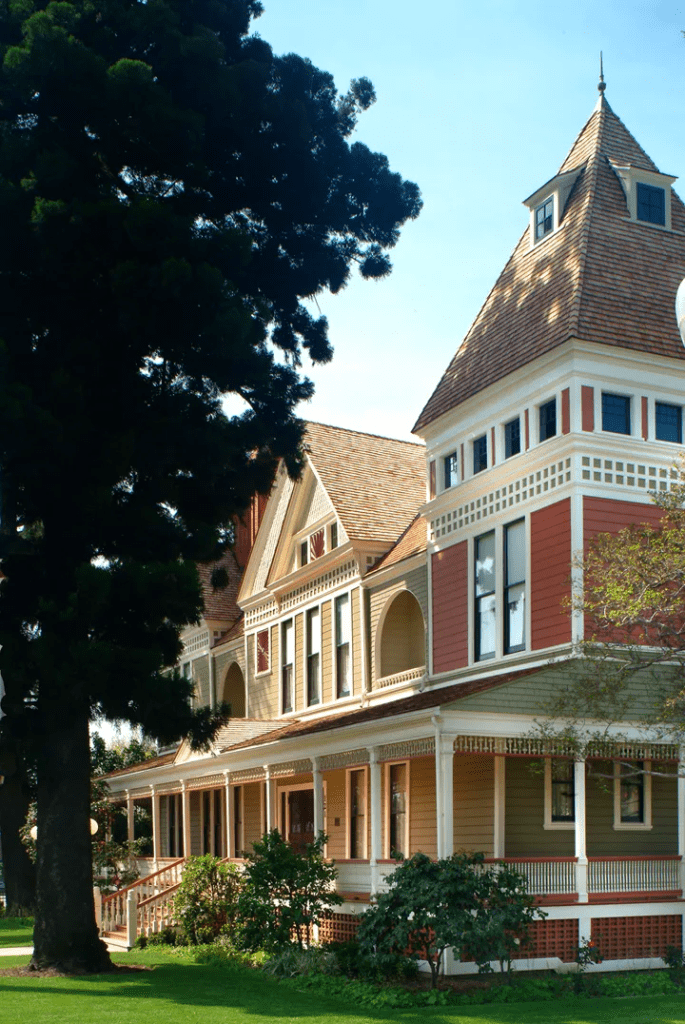
This article explores the rich background, benefits, and architectural importance of houses with historic wave-patterned wooden tile roofs—specifically in the unique climate and cultural setting of San Dimas, California. Whether you’re a preservationist, architect, real estate enthusiast, or homeowner seeking inspiration, this comprehensive guide will shed light on the captivating legacy and contemporary relevance of such homes.
Read too: Hail Damage Roof Repair: Essential Guide to Restoring Your Home’s Protection
What Makes a House With Historic Roof Wood Tile Waves San Dimas CA So Special?
The house with historic roof wood tile waves San Dimas CA embodies a synergy of history, craftsmanship, and local character. Unlike typical flat or synthetic roofs, the wooden wave tiles not only provide shelter but also offer a visual narrative that echoes the past.
Historical Significance
Wooden tile roofing dates back centuries and was used in early American and Spanish-style architecture due to its availability, workability, and thermal properties. In places like San Dimas—a town rich with historical influences from Spanish colonists, early ranchers, and craftsman builders—wooden wave tiles became a symbol of architectural resilience and artistry.
Preserving such roofing is about more than aesthetics; it’s about maintaining a living piece of California’s architectural heritage.
Unique Features of Wood Tile Wave Roofs
These roofs are not only visually striking but also functional and environmentally responsible. Here are a few key features:
1. Wave Pattern Design
The “waves” in the roof tiles aren’t just decorative—they serve structural and functional purposes:
- Improve water runoff during rain.
- Increase airflow, helping to naturally ventilate the roof.
- Create dynamic shadows, enhancing curb appeal throughout the day.
2. Material Authenticity
The wooden tiles used in historic roofs are typically made from cedar, redwood, or other rot-resistant hardwoods. These materials:
- Expand and contract with the climate.
- Are naturally resistant to pests.
- Offer longevity when maintained properly.
3. Craftsmanship
Creating a wave-style wood tile roof is a labor-intensive process. Each tile must be individually shaped, curved, and aligned to fit the flowing design. This level of craftsmanship is rare today, making these roofs all the more valuable.
Architectural Relevance in San Dimas, CA
San Dimas is a city that values its history. From the 19th-century railroads to early ranch-style homes, the city has a diverse architectural landscape. A house with historic roof wood tile waves San Dimas CA fits seamlessly into this context, offering:
- Visual harmony with local landmarks.
- Compliance with historical preservation ordinances.
- A unique selling point in the local real estate market.
The climate in San Dimas—characterized by warm summers and mild winters—is ideal for wood tile roofs. With proper care, these roofs can withstand the test of time without warping or rotting, especially when made from high-grade cedar or redwood.
Benefits of Historic Wooden Tile Roofs
While modern roofing materials may offer speed and uniformity, wooden tile wave roofs offer benefits that go beyond the surface:
Aesthetic Value
There’s something deeply appealing about natural materials. A wooden tile roof adds a rustic elegance, especially when it weathers slightly over time, blending beautifully with the environment.
Sustainability
Wood is a renewable resource. When harvested responsibly, wooden tiles have a much smaller carbon footprint than metal or asphalt shingles.
Insulation and Comfort
Wood is a natural insulator. A wooden tile roof helps regulate indoor temperatures, reducing heating and cooling costs throughout the year.
Property Value
Houses with historic and unique architectural features, like wave-tile roofs, often appraise higher and sell faster—especially in niche markets that value charm and originality.
Maintenance and Preservation Tips
Preserving a house with historic roof wood tile waves San Dimas CA requires care but is well worth the effort.
Regular Inspections
Check for:
- Loose or warped tiles.
- Insect damage or signs of rot.
- Moss or debris buildup, especially in valleys of the wave patterns.
Cleaning and Treatment
Use gentle, non-pressurized methods to clean the roof. Avoid harsh chemicals. Applying wood preservatives every few years can extend the life of the tiles significantly.
Professional Restoration
If replacement is necessary, work with a roofing expert who understands historic preservation. This ensures compliance with local building codes and retains the authenticity of the roof.
Real Estate and Cultural Impact
In today’s world of uniform, mass-produced homes, the uniqueness of a house with historic roof wood tile waves San Dimas CA offers a strong cultural and financial edge.
For Homebuyers:
- Stand out from cookie-cutter properties.
- Own a piece of California’s architectural story.
- Enjoy a design that merges sustainability and sophistication.
For Preservationists:
- Support local history and traditional building methods.
- Help maintain San Dimas’s architectural diversity.
- Protect environmental resources through sustainable materials.
Complementary Exterior Design Elements
To enhance the visual appeal of homes with historic wave-tile roofs, consider the following:
| Element | Recommendation |
|---|---|
| Exterior Walls | Stucco, natural wood siding, or stone |
| Trim Colors | Earth tones, forest green, or cream |
| Landscaping | Native drought-tolerant plants |
| Entryways | Arched doors, wood frames, iron hardware |
| Windows | Wooden or bronze-framed, vertically paneled |
This style blends perfectly with Craftsman, Spanish Colonial, or Rustic California Ranch designs.
Local Regulations and Permits
San Dimas, like many cities in California, has guidelines regarding historic preservation. If you plan to repair or renovate a house with historic roof wood tile waves San Dimas CA, you may need to:
- Obtain permits from the planning department.
- Consult with historical committees if the home is registered.
- Use approved materials that match the original look.
Doing so not only preserves your home’s value but also ensures you’re contributing positively to your community’s cultural landscape.
Frequently Asked Questions
Q: How long do wood tile roofs last?
A: With proper maintenance, they can last 30–50 years or longer, especially with cedar or redwood materials.
Q: Are wooden roofs fire-resistant?
A: Traditional wood roofs can be treated with fire-retardant chemicals to comply with California fire safety codes.
Q: Can wave-style wooden tiles be installed today?
A: Yes, though it requires skilled artisans and may be more costly than standard roofing, it can be done for restoration or custom homes.
Q: Do these roofs work with solar panels?
A: It’s possible, but more challenging due to the uneven surface. Specialized mounting systems are needed.
Final Thoughts
A house with historic roof wood tile waves San Dimas CA is not just a property—it’s a storybook written in timber and time. These homes reflect craftsmanship, sustainability, and cultural pride, making them treasured landmarks in their communities. For those lucky enough to own or restore such a home, the rewards go far beyond visual appeal—they offer a deep connection to California’s architectural roots and an unmatched sense of character.
If you’re considering investing in or restoring one of these houses, take the time to understand the materials, consult local experts, and embrace the unique challenges that come with maintaining a piece of living history.
With thoughtful care, your historic wood tile wave roof will not only endure—it will inspire.
Leave a Reply