As a homeowner, maintaining a record of your home’s maintenance history holds essential importance, and possessing the knowledge of when your roof received replacement stands as a critical element within this history. Whether you’re a new homeowner or have been in your home for years, determining the age of your roof can help you plan for future maintenance and make informed decisions. In this article, we’ll delve into several approaches to determine the time when your roof underwent replacement.
Check Home Records
- Home Inspection Reports: If you recently purchased your home, refer to the home inspection report provided by your inspector. The report might include information about the age and condition of the roof.
- Maintenance Records: Review any maintenance records or receipts you have from previous homeowners. They might have documented roof replacements or repairs.
Contact Previous Owners or Contractors
- Contact Previous Owners: If you have contact information for previous homeowners, reach out to them and inquire about the roof replacement history. They might possess records or retain memories of when the roof underwent replacement.
- Reach Out to Contractors: If the previous owners used professional contractors for the roof replacement, try contacting those contractors. They might have records of the work they performed.
Inspect the Roof
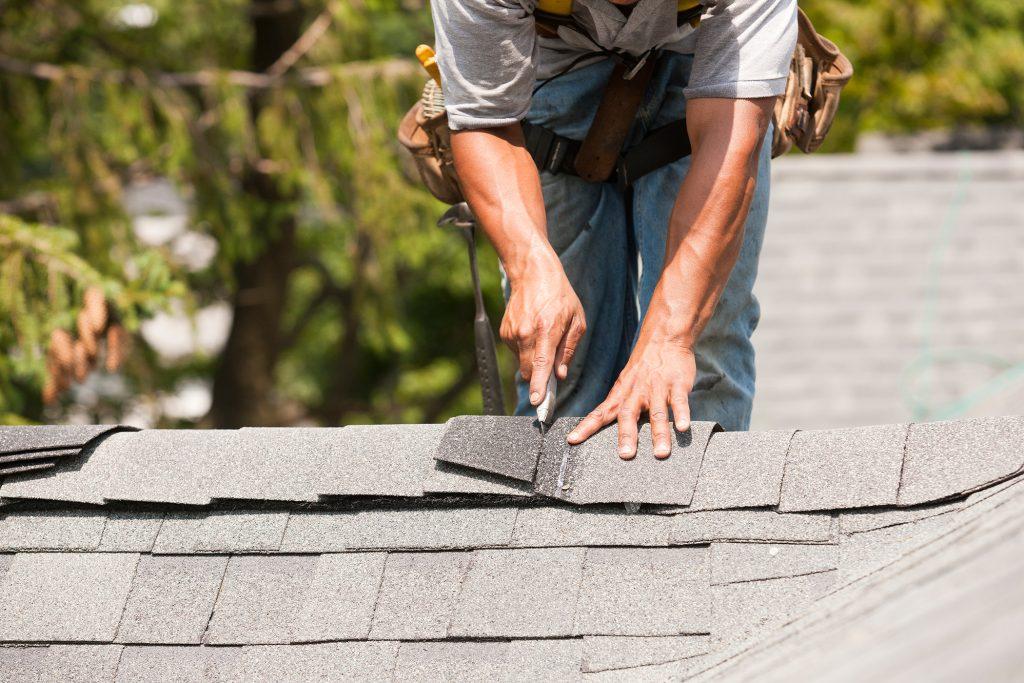
- Look for Visual Clues: Inspect your roof for visual clues that can indicate its age. Shingles exhibiting curling, cracking, or being absent could potentially indicate that the roof has aged and requires replacement.
- Check Building Permits: If the roof was replaced with the proper permits, the local building department might have records of the work. Contact them to inquire about any permits associated with your address.
Research Roofing Materials
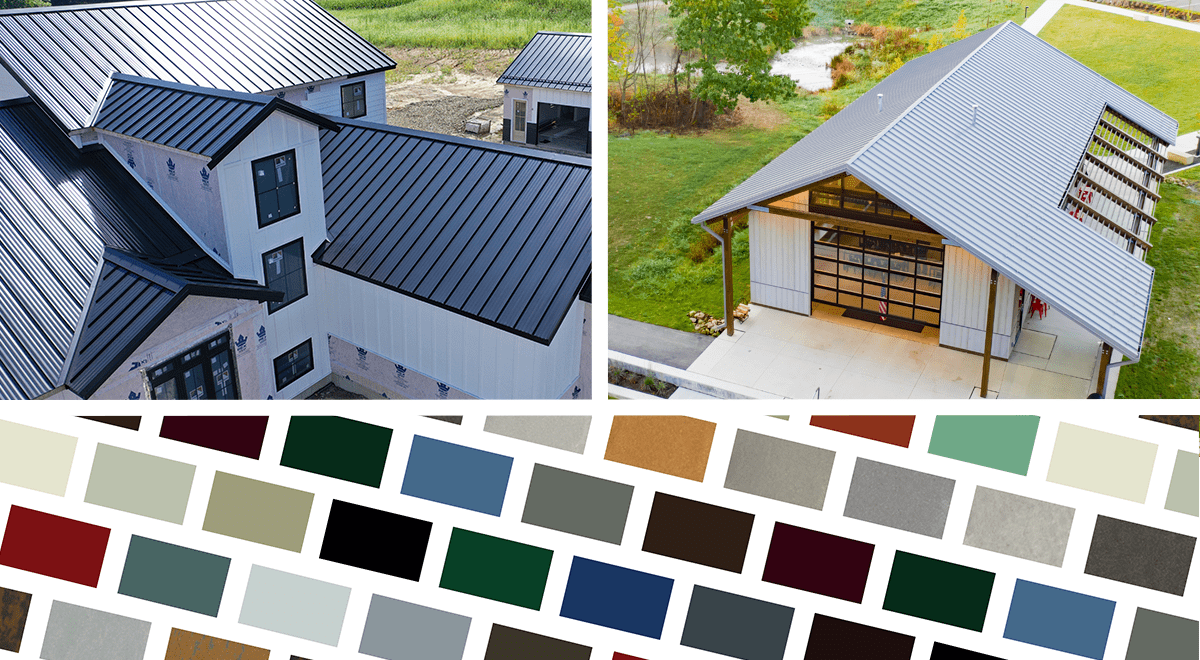
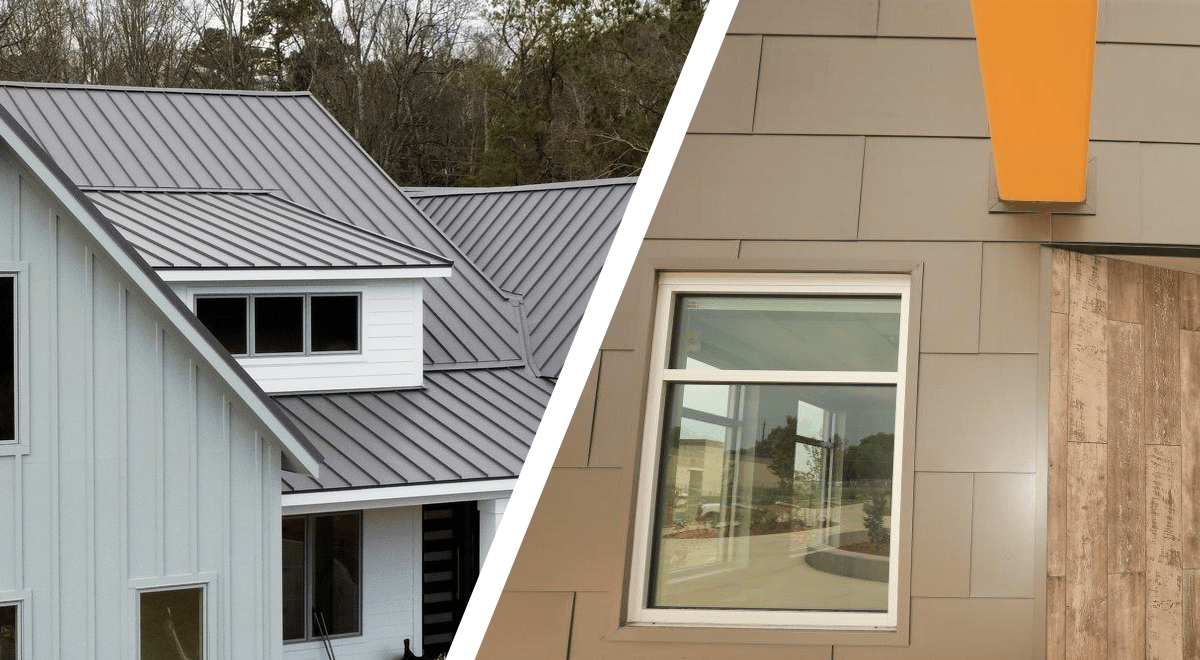
- Know the Lifespan of Materials: Different roofing materials have varying lifespans. Research the expected lifespan of the roofing material on your home and use that as a reference point.
Consult a Professional Roofer
- Hire a Roofing Professional: If you’re uncertain about the age of your roof, consider hiring a professional roofer to perform an inspection. They can assess the condition of the roof and provide an estimate of its age.
Conclusion
In conclusion, determining when your roof was replaced is essential for proper maintenance and planning. By checking home records, contacting previous owners or contractors, inspecting the roof, researching roofing materials, or consulting a professional roofer, you can gather information to estimate the age of your roof. Knowing this information will help you make informed decisions about future maintenance and potential replacements, ensuring the longevity and safety of your home.
Leave a Reply