If you’re planning to upgrade your home’s roofing system, you may have asked: “How do they install a metal roof on a house?” Metal roofing has gained immense popularity for its durability, energy efficiency, and sleek, modern appearance. But while it may seem like a complex task reserved for professionals, understanding the process helps homeowners make informed decisions whether they hire a contractor or choose to do it themselves.
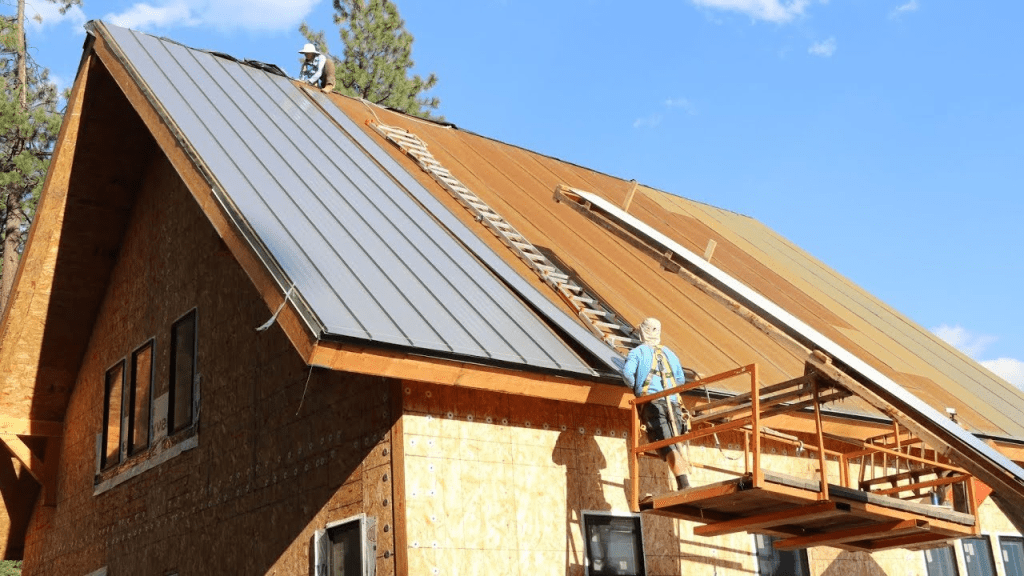
In this comprehensive guide, we’ll walk you through everything you need to know about how metal roofs are installed on residential homes. From preparation to panel installation to final inspection, this article offers a clear and detailed explanation to answer your question: “How do they install a metal roof on a house?”
Read too: Hail Damage Roof Repair: Essential Guide to Restoring Your Home’s Protection
Why Choose Metal Roofing?
Before diving into the step-by-step breakdown, it’s helpful to understand why metal roofs are worth considering. Compared to traditional asphalt shingles, metal roofing offers a wide range of benefits:
- Longevity: Can last 40–70 years.
- Energy Efficiency: Reflects solar heat, reducing cooling costs.
- Low Maintenance: Resistant to mildew, rot, and insects.
- Weather Resistance: Ideal for extreme climates.
- Environmental Impact: Often made from recycled materials and fully recyclable at end of life.
These advantages make metal roofing a solid investment, especially for homeowners looking for long-term savings and durability.
Types of Metal Roofing Panels
Before you learn how do they install a metal roof on a house, it’s important to know the different types of metal panels commonly used:
- Standing Seam Panels
- Concealed fasteners for a clean look
- Ideal for modern and high-end homes
- Corrugated Panels
- Exposed fasteners
- Budget-friendly and often used for barns or sheds
- Metal Shingles or Tiles
- Mimic traditional shingle or tile looks
- Suitable for homeowners who prefer classic aesthetics
Each type requires slightly different installation methods, but the core steps remain similar.
Tools and Materials Needed
Tools:
- Measuring tape
- Metal cutting tools (snips, circular saw with metal blade)
- Screw gun or drill
- Chalk line
- Caulk gun
- Safety harness and ladder
- Roofing square
- Level
Materials:
- Metal roofing panels
- Fasteners or screws (typically with rubber washers)
- Underlayment (synthetic or felt)
- Flashing
- Ridge caps
- Closure strips
- Sealant or butyl tape
Planning and Preparation
Before any metal panel touches your roof, detailed planning is essential.
Step 1: Inspect and Measure
Inspect the existing roof for damage. If you’re doing a tear-off (removing old shingles), check the roof deck for rot or structural issues.
Measure your roof’s total square footage and determine the slope (pitch). This will guide how many panels and what type of fasteners you’ll need.
Step 2: Choose Installation Type
There are two main methods:
- Over Existing Shingles: Saves labor and disposal costs
- Full Tear-Off: Best for structural inspection and longer durability
While metal roofing can often be installed over asphalt shingles, make sure local building codes allow this and that the decking underneath is solid.
How Do They Install A Metal Roof On A House?
Let’s now address the main question: How do they install a metal roof on a house? Below is a step-by-step breakdown of a typical metal roof installation process.
Step 1: Install Underlayment
First, an underlayment is rolled out across the entire roof deck. This barrier offers moisture protection and helps with insulation.
- Start at the eaves and work up.
- Overlap rows by 6 inches.
- Secure using cap nails or staples.
In snowy or wet regions, ice and water shields are installed along valleys and edges for extra protection.
Step 2: Apply Drip Edge Flashing
Drip edge flashing is metal trim that goes along the roof’s edges. It prevents water from dripping into the fascia or beneath the underlayment.
- Place it over the underlayment at the eaves.
- Secure with roofing nails spaced every 8–10 inches.
- At gables, flashing goes over the underlayment.
Step 3: Add Closure Strips and Butyl Tape
Closure strips and butyl tape are critical for sealing gaps between panels and preventing moisture or insects from entering. These are typically installed at panel ends or overlaps.
Step 4: Install Metal Panels
This is the heart of the process.
- Start at one bottom corner of the roof.
- Align the panel vertically and ensure it’s square.
- Secure using metal screws with rubber washers, typically every 12–16 inches on the flat part of the panel.
- Panels should overlap each other by at least one ridge.
- Continue across the roof, maintaining straight alignment and sealing seams.
For standing seam roofs, the panels snap together with hidden clips and fasteners, offering a cleaner finish.
Step 5: Install Ridge Caps and Flashing
Once panels are in place:
- Apply ridge caps along the peak of the roof.
- Use foam closure strips underneath to fill gaps and prevent leaks.
- Install flashing around chimneys, skylights, vents, and valleys.
- Use sealant for additional waterproofing at overlaps or fastener points.
Step 6: Final Sealing and Inspection
Walk the roof (using safety precautions) and check for:
- Loose fasteners
- Missing sealant
- Improper panel alignment
- Poorly sealed seams
Also, inspect flashing and ridge caps to ensure everything is watertight.
Pros and Cons of Installing a Metal Roof
Pros:
- Long lifespan
- Energy savings
- Fire resistance
- Minimal maintenance
Cons:
- Higher upfront cost
- Potential noise during rain or hail (can be mitigated with insulation)
- More complex DIY installation than asphalt
Estimated Costs
| Item | Estimated Cost per Sq Ft |
|---|---|
| Metal panels | $3.00 – $6.00 |
| Underlayment | $0.10 – $0.50 |
| Fasteners and sealants | $0.25 – $0.75 |
| Flashing and accessories | $0.50 – $1.50 |
| Labor (if hired) | $4.00 – $7.00 |
Total DIY Cost: $4,000 – $9,000 for a 2,000 sq ft home
Professional Installation: $10,000 – $18,000+
How Long Does It Take?
A professional team can complete the job in 2–4 days, while a DIY project may take up to 7–10 days, depending on roof complexity and crew size.
Maintenance Tips for Metal Roofs
Even though metal roofs are low-maintenance, regular care improves longevity:
- Clean debris from the roof and gutters seasonally
- Check for loose or missing fasteners
- Inspect flashing after storms
- Re-seal any cracked areas
When Should You Hire a Professional?
You should consider hiring a pro if:
- Your roof has a complex layout with multiple valleys or dormers
- Your home is two stories or more
- You lack experience working at heights
- Local codes require certified installations for insurance
Conclusion
Now that you’ve explored the full process, you should feel confident answering: How do they install a metal roof on a house? It’s a task that involves precise measurement, careful layering of materials, and strict attention to weatherproofing—all to ensure your home stays protected and looks great for decades.
Whether you tackle the job yourself or hire a roofing contractor, understanding the process empowers you to make smart decisions that will extend the lifespan of your home’s most important shield—its roof.
Leave a Reply