When it comes to home maintenance, one of the most critical aspects is the condition of your roof. Whether you’re dealing with a leaky roof, damaged shingles, or simply looking for an upgrade, you may be wondering how long it takes to get a roof replaced. The timeline for a roof replacement can vary depending on several factors. In this article, we will delve into the different elements that can affect the duration of a roof replacement project.
Understanding the Roof Replacement Process:
Roof replacement is a significant project that involves several steps. Before we can discuss how long it takes, it’s essential to understand the key stages of the process:
- Assessment and Planning: The first step in getting your roof replaced is to assess its current condition. A professional roofing contractor will examine the roof to determine the extent of the damage and the necessary materials. This stage can take a day or two, depending on the complexity of the assessment.
- Material Selection: Choosing the right roofing materials is crucial. It may take a few days to finalize your selection based on your budget, preferences, and the availability of materials.
- Permitting and Paperwork: Depending on local regulations, you may need to obtain permits for your roof replacement project. This step can take a few weeks as it involves paperwork and waiting for approvals.
- Scheduling the Project: Once all the paperwork is in order, you can schedule your roof replacement. This involves coordinating with the roofing contractor and aligning the project with your availability and weather conditions.
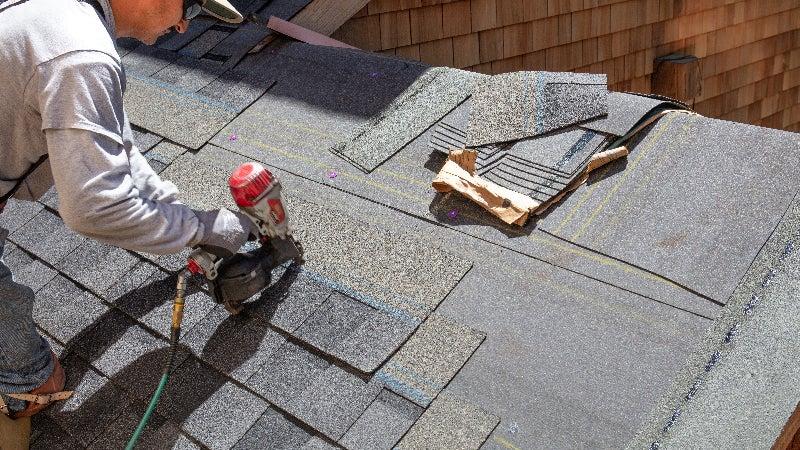
- Tear-Off and Preparation: Removing the old roofing material and preparing the roof deck for the new materials can take a day or two, depending on the size of the project.
- Installation of New Roofing: The actual installation of the new roof materials can take several days, and possibly longer for larger or more complex roofs.
- Cleanup and Inspection: After the new roof is installed, there will be a cleanup phase to remove debris and ensure the area is safe. An inspection will also be carried out to check the quality of the work.
- Final Touches and End of Project: The final touches, such as painting, sealing, and any other finishing touches, are added. This marks the end of the project.
Factors Affecting the Timeline:
The time it takes to replace a roof can vary based on multiple factors:
- Roof Size and Complexity: Larger and more complex roofs with multiple angles and features will naturally take longer to replace.
- Weather Conditions: Weather can significantly impact the timeline. Rain or adverse weather can delay the project.
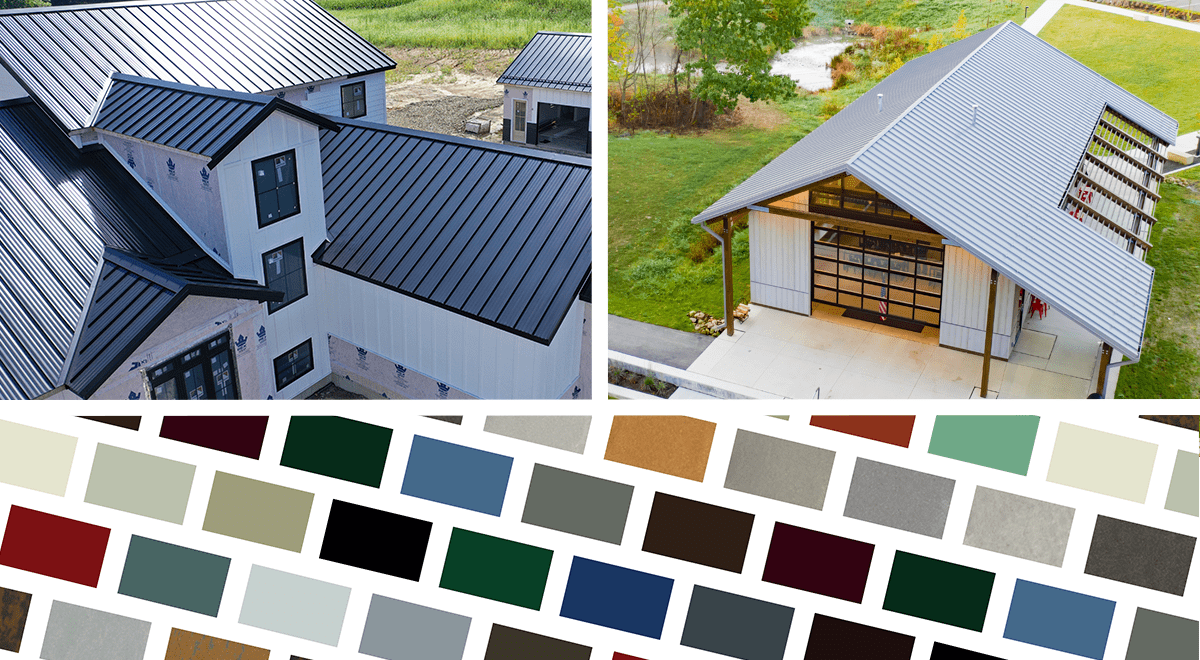
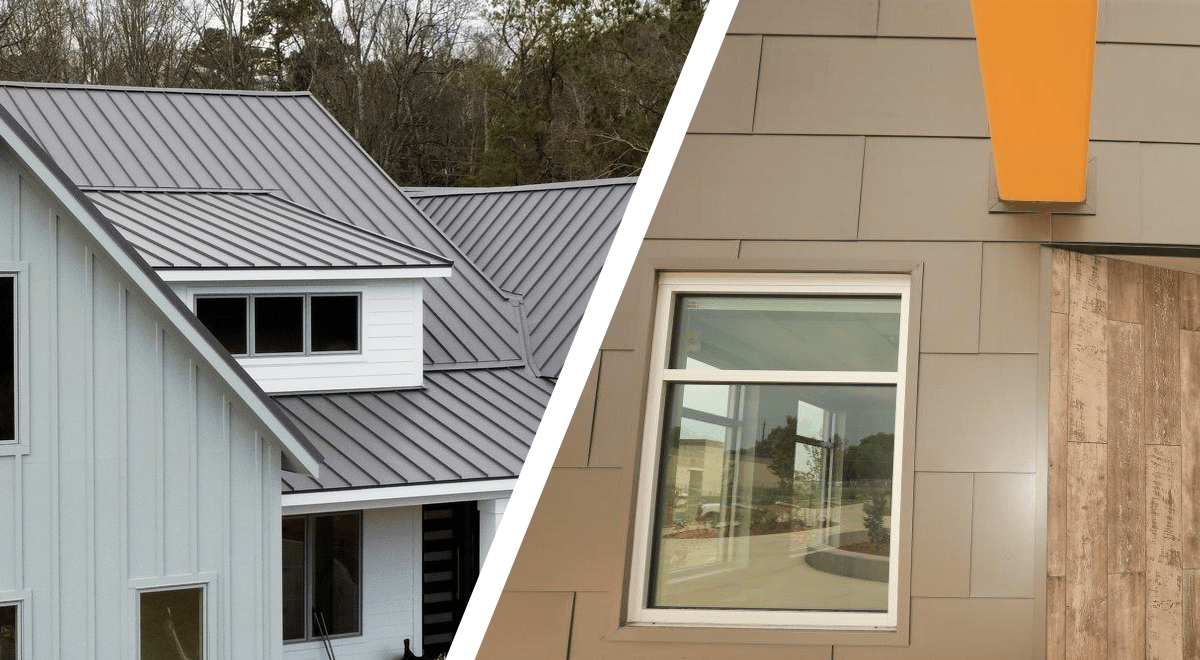
- Type of Materials: The type of roofing material you choose also affects the time required. Asphalt shingles are relatively quick to install, while materials like tile or slate may take longer.
- Contractor’s Availability: The availability of the roofing contractor plays a crucial role. Some contractors may have a backlog, which can delay the start of your project.
- Permitting Process: Obtaining permits can be a time-consuming process, and it may cause delays.
- Unforeseen Issues: Sometimes, during the tear-off phase, unexpected issues may be uncovered, such as structural damage. Dealing with these issues can add to the project’s timeline.
Average Timelines for Roof Replacement:
On average, a straightforward roof replacement for a standard-sized home with asphalt shingles can take about 3 to 5 days, assuming good weather conditions. However, larger or more complex roofs may take up to a week or more. If you’re considering alternative materials or have extensive repairs to address, the project duration can vary.
Conclusion:
In conclusion, the time it takes to get a roof replaced depends on various factors, including the size and complexity of the roof, the type of materials chosen, weather conditions, and the efficiency of the roofing contractor. While a straightforward asphalt shingle replacement can be completed in a matter of days, larger or more intricate projects may require more time. It’s essential to work with a professional roofing contractor who can provide you with a realistic timeline and keep you informed throughout the process. By understanding the various stages of a roof replacement project and the factors that can affect its duration, you’ll be better prepared for this significant home improvement endeavor. Remember that a well-executed roof replacement will not only enhance the aesthetics of your home but also provide essential protection for years to come.

Leave a Reply