Embarking on a roof replacement project is a significant undertaking for homeowners. Understanding the timeline is crucial for effective planning and minimizing disruptions. In this comprehensive guide, we’ll explore the intricacies of “How Long Does It Take To Replace A Roof” and provide valuable insights to ensure a smooth and timely roofing process.
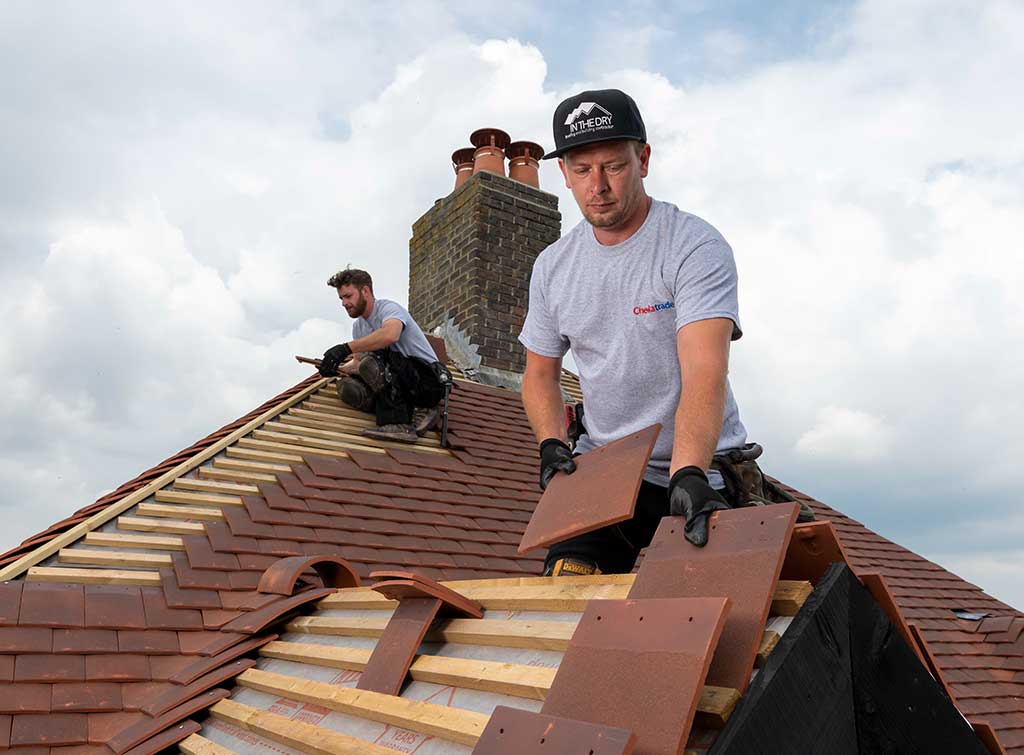
Unraveling the Timeline: How Long Does It Take To Replace A Roof
Before delving into the details, it’s essential to recognize that the duration of a roof replacement can vary based on several factors. Let’s break down the key components influencing “How Long Does It Take To Replace A Roof.”
- Roof Size and Complexity
- Larger roofs or those with complex designs may require more time for removal and installation.
- Material Type
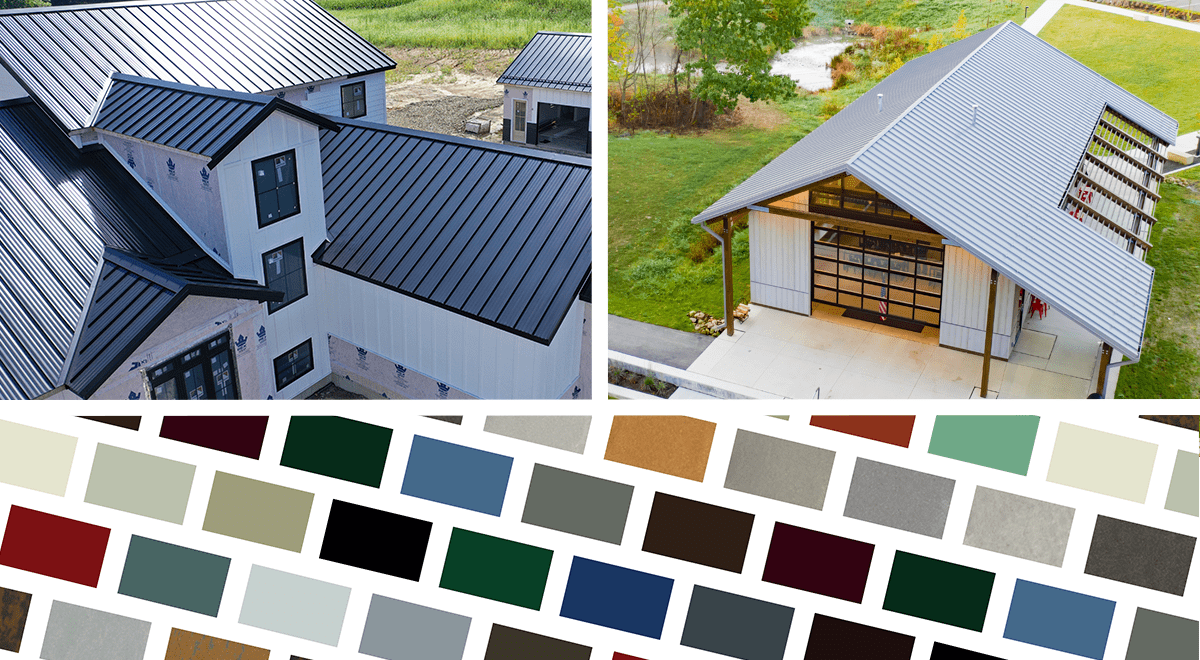
- Different roofing materials have varying installation processes. Asphalt shingles, metal roofing, and tiles each come with unique considerations affecting the timeline.
- Weather Conditions
- Unpredictable weather can impact the roofing schedule. Contractors often plan around favorable conditions to ensure the quality of the installation.
- Contractor Efficiency
- The expertise and efficiency of the roofing contractor play a significant role. Well-organized teams with experience can streamline the process.
Understanding the Average Timeline: How Long Does It Take To Replace A Roof
While individual circumstances can alter the timeframe, a general guideline can provide homeowners with an estimate.
- Roof Inspection and Preparation (1-2 Days)
- A thorough inspection is conducted to assess the condition of the existing roof. Preparation includes gathering materials and ensuring the site is ready.
- Removal of Old Roofing (1-2 Days)
- The old roofing material is removed, and the underlying structure is inspected for any necessary repairs.
- Structural Repairs (If Needed) (1-3 Days)
- If any structural issues are identified during the removal phase, additional time may be required for repairs.
- Installation of New Roofing Material (2-5 Days)
- The installation process varies based on the type of roofing material. Asphalt shingles may be quicker, while complex materials like metal or tile may take longer.
- Final Inspection and Cleanup (1-2 Days)
- A final inspection ensures the new roof meets quality standards. Cleanup involves removing debris and ensuring the site is safe.
Tips for a Timely Roof Replacement Process
- Plan According to Weather Forecasts
- Coordinate with your contractor to schedule the project during a period of favorable weather.
- Clear Communication with Contractors
- Maintain open communication with your roofing contractor to stay informed about the progress and any potential delays.
- Choose the Right Material
- Some roofing materials, like asphalt shingles, are known for quicker installations, which can expedite the overall process.
Read too: How To Install A Metal Roof On A Shed
Conclusion: Navigating “How Long Does It Take To Replace A Roof”
In conclusion, understanding the timeline for a roof replacement project is vital for homeowners. By considering factors such as roof size, material type, and contractor efficiency, you can make informed decisions and ensure a smooth process. Remember that unforeseen challenges may arise, so flexibility in scheduling is key. By staying proactive and collaborating with experienced professionals, you can transform your roof with confidence and minimal disruption.
Leave a Reply