Want shade and protection for your patio without modifying your home’s structure? Learning How To Build Patio Roof Not Attached To House is a smart way to create outdoor comfort while avoiding complex wall attachment and flashing issues.
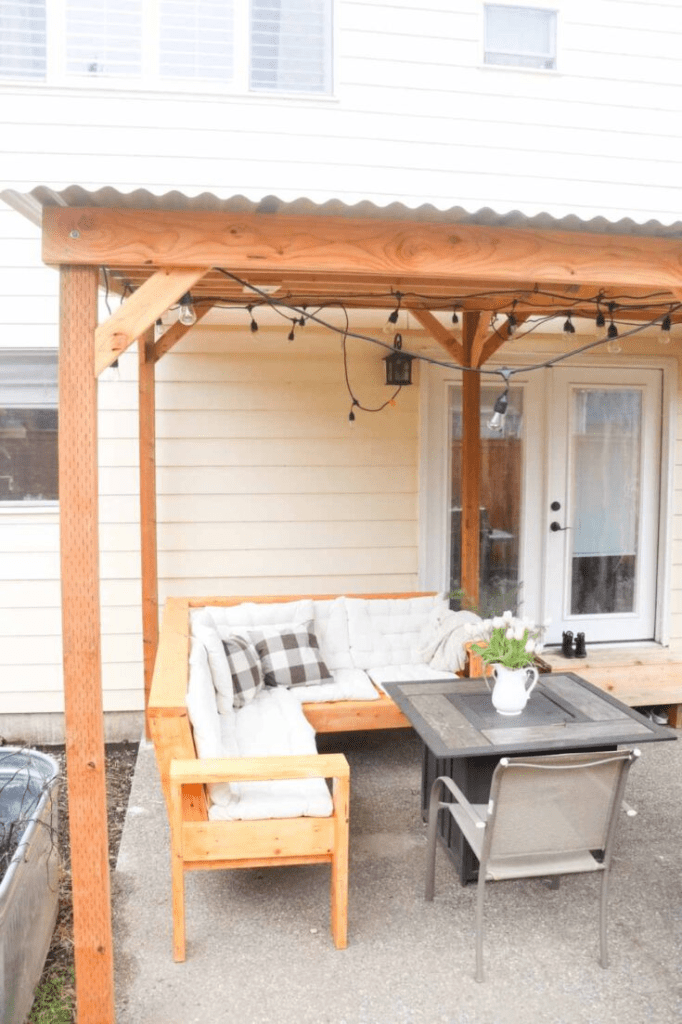
This guide walks you through planning, materials, foundation, framing, roofing, and safety—so your freestanding patio roof is stable, weather-resistant, and built to last.
Read too: Is It Reasonable to Ask the Seller to Replace the Roof?
How To Build Patio Roof Not Attached To House Safely
A detached patio roof—also called a freestanding patio cover—stands independently on support posts anchored to concrete footings. Unlike lean-to roofs, it does not rely on your home’s wall for structural support.
Patio roofs are a type of outdoor structure related to pergolas and pavilions, concepts you can explore under Wikipedia.
Do You Need a Permit to Build a Detached Patio Roof?
One of the first questions homeowners ask:
Is a permit required?
In most U.S. cities, yes—if the structure exceeds a certain size (often 100–200 square feet).
Permit requirements typically depend on:
- Total square footage
- Roof type
- Electrical installation
- Local zoning regulations
Always confirm with your city building department before starting.
Step 1: Plan Your Patio Roof Design
What Is the Best Size for a Freestanding Patio Roof?
Common dimensions:
- 10 ft x 12 ft
- 12 ft x 16 ft
- 12 ft x 20 ft
Measure your patio carefully and allow at least 12 inches of roof overhang on all sides for better rain protection.
Choose the Right Roof Style
Popular Options
- Flat roof (slight slope 2:12 minimum)
- Gable roof
- Hip roof
- Metal panel roof
A minimum slope of 2:12 is required for proper water drainage with most roofing materials.
Step 2: Calculate Materials and Structural Requirements
Before construction, determine load requirements.
Snow Load Considerations
If you live in northern states, roofs must support 30–50 pounds per square foot depending on region.
Consult local code for exact requirements.
Recommended Materials
Posts
- 6×6 pressure-treated lumber (minimum)
Beams
- Double 2×8 or 2×10 boards
Rafters
- 2×6 or 2×8 spaced 16 inches on center
Roofing Options
- Metal panels
- Asphalt shingles
- Polycarbonate sheets
Step 3: Install Concrete Footings
The most critical structural step.
How Deep Should Patio Footings Be?
Footings should extend:
- Below frost line (typically 12–48 inches depending on region)
- Minimum 12 inches wide
Step-by-Step Footing Installation
- Mark post locations using string lines.
- Dig holes to required depth.
- Add 4 inches of gravel for drainage.
- Pour concrete.
- Set post anchors into wet concrete.
Allow 24–48 hours for concrete to cure before framing.
Step 4: Install Support Posts
Once concrete cures:
- Attach 6×6 posts to metal post bases.
- Use a level to ensure vertical alignment.
- Temporarily brace posts with 2×4 supports.
Accurate post alignment ensures structural integrity.
Step 5: Install Beams
Beams connect posts and carry roof load.
- Place double 2×8 or 2×10 beams across post tops.
- Secure using structural bolts.
- Check level across entire span.
Use galvanized hardware to prevent corrosion.
Step 6: Install Rafters
Rafter Spacing
Standard spacing: 16 inches on center.
Installation Process
- Mark beam for rafter placement.
- Install rafter hangers.
- Secure rafters with structural screws.
- Confirm slope using a level.
Maintain a minimum 2-inch drop per foot for adequate drainage.
Step 7: Install Roof Sheathing
Use:
- ½-inch exterior-grade plywood or OSB
Nail pattern:
- Every 6 inches on edges
- Every 12 inches in field
Leave ⅛-inch expansion gaps between sheets.
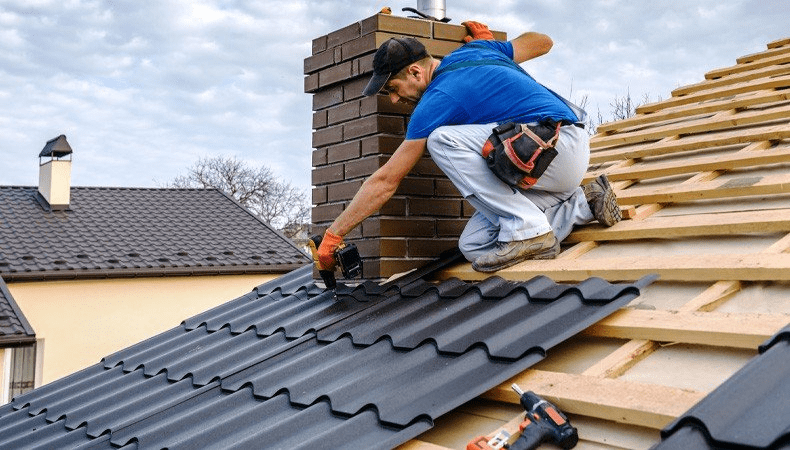
Step 8: Install Underlayment and Roofing
Underlayment
- Roll from bottom upward.
- Overlap seams by 4 inches.
Roofing Material Options
Metal Panels
- Lightweight
- Long lifespan (30–50 years)
- Ideal for lower slopes
Asphalt Shingles
- Cost-effective
- Requires minimum 2:12 slope
- Familiar installation process
Secure roofing material according to manufacturer instructions.
Advantages vs Disadvantages of a Detached Patio Roof
Advantages
- No house attachment required
- Reduces risk of water leaks
- Flexible placement
- Easier permitting in some areas
Disadvantages
- Requires more structural posts
- Higher material cost than lean-to roof
- More foundation work
Estimated Cost Breakdown
| Item | Estimated Cost |
|---|---|
| Lumber | $800–$1,800 |
| Concrete & hardware | $300–$700 |
| Roofing materials | $400–$1,200 |
| Permit | $50–$300 |
| Total DIY Range | $1,500–$4,000 |
Costs vary by region and material selection.
Common Mistakes to Avoid
- Shallow footings
- Using undersized posts
- Ignoring slope requirements
- Skipping bracing during installation
- Poor drainage planning
Proper planning prevents long-term structural issues.
Maintenance Tips for Longevity
- Inspect fasteners annually
- Clean debris off roof twice yearly
- Repaint or reseal wood every 2–3 years
- Check post bases for corrosion
With proper care, a freestanding patio roof can last 20–30 years.
FAQ: How To Build Patio Roof Not Attached To House
1. How far apart should posts be?
Posts are typically spaced 8–12 feet apart depending on beam size and load requirements.
2. Do I need a concrete slab first?
No. Posts can anchor directly into concrete footings without a full slab.
3. What is the cheapest roofing option?
Asphalt shingles are generally the most affordable material.
4. Can I build a flat patio roof?
Yes, but ensure at least 2:12 slope for proper drainage.
5. How long does construction take?
Most DIY builds take 3–5 days, depending on complexity.
6. Is metal roofing better for patio covers?
Metal is durable, lightweight, and performs well in heavy rain climates.
Who Should Build a Detached Patio Roof?
A freestanding patio roof is ideal for:
- Homes where wall attachment isn’t possible
- Backyard patios far from house walls
- Homeowners wanting flexible placement
- DIY builders comfortable with framing
Final Thoughts
Learning How To Build Patio Roof Not Attached To House allows you to create shade, comfort, and weather protection without altering your home’s structure. With solid footings, strong posts, proper beam sizing, and correct roof slope, your patio cover can last decades.
Take your time, follow local building codes, and prioritize structural stability. If this guide helped you plan your project, consider sharing it on social media to inspire others to build their own outdoor space.
Leave a Reply