When it comes to protecting your home from the elements, few choices are as durable and cost-effective as a tin roof. Known for its long lifespan, energy efficiency, and classic aesthetic, a tin roof is an excellent investment for homeowners. But one of the most common questions people ask is “How To Properly Put Down Tin Roof On A House” without making costly mistakes.
In this comprehensive guide, we’ll walk through everything you need to know, from preparation to installation and maintenance. Whether you’re a DIY enthusiast or simply curious about the process, this article will serve as your go-to resource.
Read too: Hail Damage Roof Repair: Essential Guide to Restoring Your Home’s Protection
Why Choose Tin Roofing for Your Home?
Before we dive into the How To Properly Put Down Tin Roof On A House process, let’s explore why tin roofing is such a popular option:
- Durability: Tin roofs can last 40–70 years with proper care.
- Energy Efficiency: Reflects sunlight, reducing cooling costs in summer.
- Low Maintenance: Requires fewer repairs compared to shingles.
- Weather Resistance: Performs well against wind, rain, snow, and hail.
- Aesthetic Appeal: Offers a clean, traditional look for various home styles.
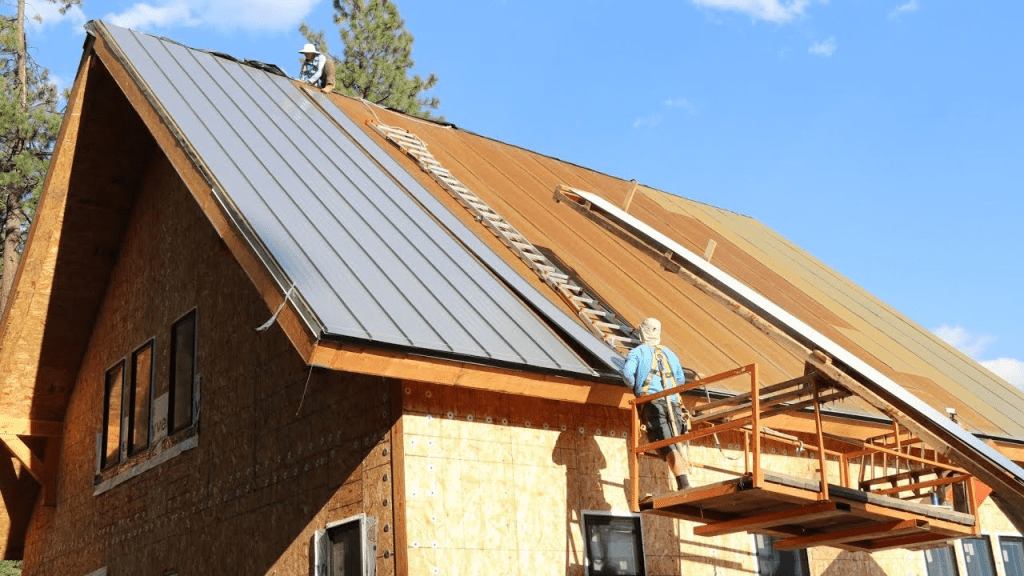
Choosing a tin roof is a long-term investment, and knowing how to install it properly ensures you maximize these benefits.
Essential Tools and Materials Needed
Before starting the project, gather the necessary tools and supplies:
- Tin roofing panels (galvanized or painted)
- Roofing nails or screws with rubber washers
- Metal snips or power shears
- Tape measure
- Chalk line
- Roofing felt or underlayment
- Safety harness and gloves
- Drill or hammer
- Ladder and scaffolding
Preparation is key, and having all tools ready before you begin ensures a smoother workflow.
Preparing the Roof Structure
Proper preparation is one of the most critical steps when learning How To Properly Put Down Tin Roof On A House.
- Inspect the Roof Deck
- Check for rot, water damage, or weak spots in the wooden decking. Replace damaged boards before installation.
- Clean the Surface
- Remove old shingles or debris to create a flat surface.
- Install Roofing Felt or Underlayment
- Lay down roofing felt or a synthetic underlayment to create a moisture barrier. This step helps prevent condensation under the metal panels.
- Mark Guidelines with a Chalk Line
- Mark straight lines horizontally across the roof to ensure accurate panel placement.
Step-by-Step Guide: How To Properly Put Down Tin Roof On A House
Installing a tin roof requires precision, patience, and adherence to safety practices. Here’s the breakdown:
Step 1: Measure and Cut Panels
Measure the length of your roof from ridge to eave. Cut tin panels accordingly using metal snips or power shears. Always leave extra overhang at the edges to allow water runoff.
Step 2: Start at the Bottom
Begin at the bottom edge of the roof, working upward. Overlap each panel by at least one ridge to prevent leaks.
Step 3: Secure Panels in Place
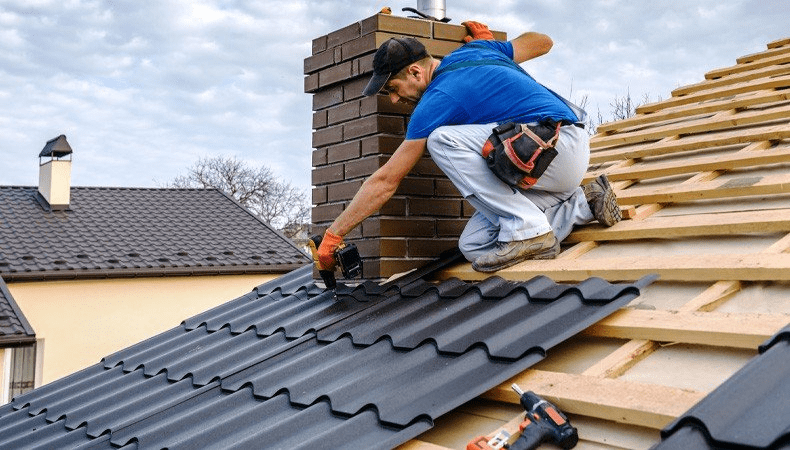
Use roofing screws with rubber washers instead of nails for a more secure hold. Place screws along the flat sections of the panel, not the ridges, to avoid gaps.
Step 4: Overlap Properly
Each panel should overlap the next by one ridge width. This creates a watertight seal and reduces the risk of leaks.
Step 5: Install Ridge Caps
At the roof’s peak, use ridge caps to cover the meeting point of panels. This ensures water doesn’t seep in.
Step 6: Seal Edges and Flashings
Install flashing around chimneys, vents, and edges to prevent water infiltration. Apply a metal-safe sealant where needed.
Common Mistakes to Avoid
When tackling How To Properly Put Down Tin Roof On A House, be mindful of these frequent errors:
- Incorrect Fastener Placement: Screwing into ridges instead of flat sections can lead to leaks.
- Insufficient Overlap: Not overlapping panels correctly can allow water penetration.
- Skipping Underlayment: Without an underlayment, moisture can accumulate under the panels.
- Ignoring Safety Precautions: Roofing work is dangerous—always use a safety harness.
- Using Wrong Tools: Regular saws can damage metal panels; always use metal snips or shears.
Safety Considerations During Installation
Working on a roof requires strict safety measures:
- Wear non-slip shoes and gloves.
- Use a fall protection harness, especially on steep roofs.
- Avoid working in wet or windy conditions.
- Keep tools organized to prevent accidents.
Taking safety seriously is just as important as knowing How To Properly Put Down Tin Roof On A House.
Maintenance Tips for a Long-Lasting Tin Roof
Installing your roof correctly is only part of the equation—maintenance is equally important.
- Inspect Annually: Check for loose fasteners or damaged panels.
- Clean Debris: Remove leaves, branches, and dirt to prevent corrosion.
- Check Sealants: Reapply sealant around flashings as needed.
- Repaint When Necessary: Painted tin roofs may require a fresh coat every 10–15 years.
With proper care, your tin roof can last decades without major issues.
Advantages of DIY vs Hiring Professionals
- DIY Approach: More cost-effective, rewarding for skilled homeowners, and allows full control over materials.
- Professional Installation: Ensures precision, faster completion, and warranty coverage.
If you’re confident in your skills and safety practices, DIY can be a good option. However, for large or complex roofs, hiring a professional is highly recommended.
Environmental Benefits of Tin Roofing
In addition to its durability, tin roofing is also eco-friendly:
- 100% recyclable at the end of its lifespan.
- Reflects heat, reducing air conditioning costs.
- Often made from recycled materials.
This makes tin roofing a sustainable choice for environmentally conscious homeowners.
Final Thoughts
Learning How To Properly Put Down Tin Roof On A House is an invaluable skill for homeowners looking to save money and take control of their home improvement projects. By preparing your roof correctly, using the right tools, following precise installation steps, and avoiding common mistakes, you can install a tin roof that lasts for decades.
Whether you tackle it yourself or hire a professional, the result is a strong, energy-efficient, and attractive roof that enhances your home’s value and protection.

Leave a Reply