A leaking flat roof can quickly turn into expensive interior damage. If you’re researching How To Replace A Flat Roof On A House, you’re likely dealing with pooling water, cracks, or aging materials that no longer protect your home.
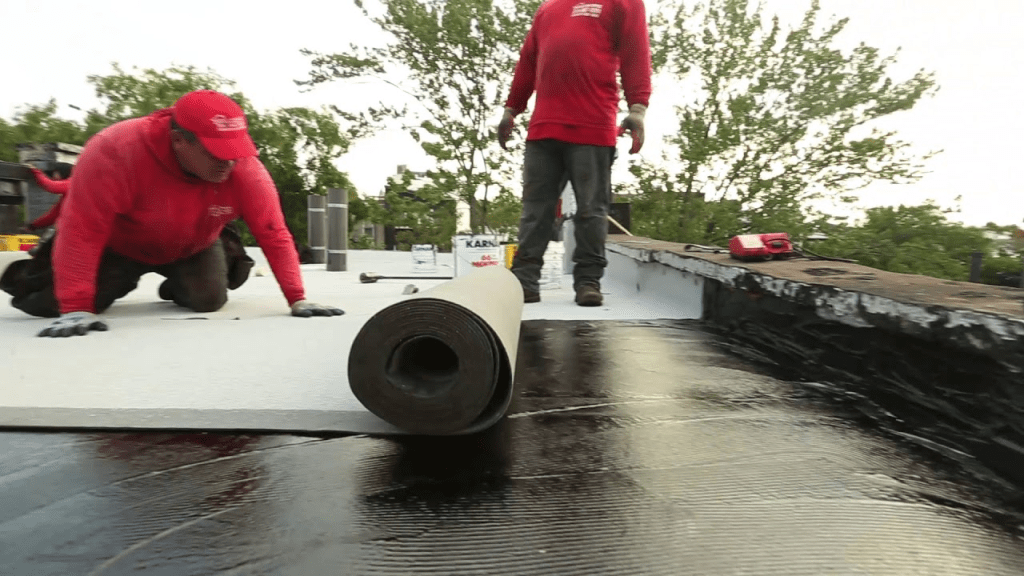
The good news? With the right materials, preparation, and safety precautions, replacing a flat roof is achievable for experienced DIY homeowners. This step-by-step guide explains the process clearly, helping you avoid costly mistakes and extend your roof’s lifespan.
How To Replace A Flat Roof On A House (Step-by-Step Overview)
Before starting How To Replace A Flat Roof On A House, understand that flat roofs are not completely flat. They typically have a slight slope (¼ inch per foot) to allow drainage.

4
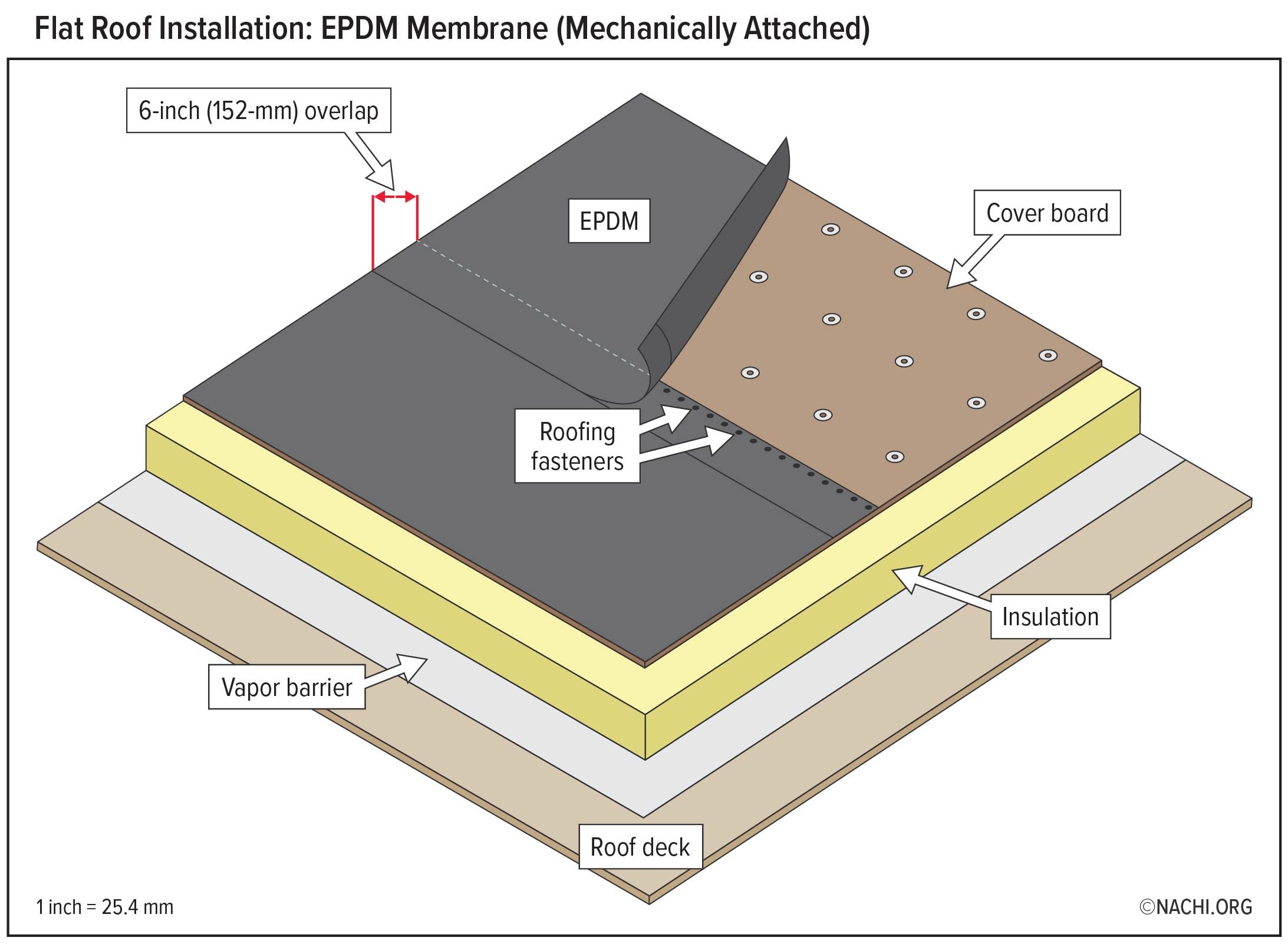
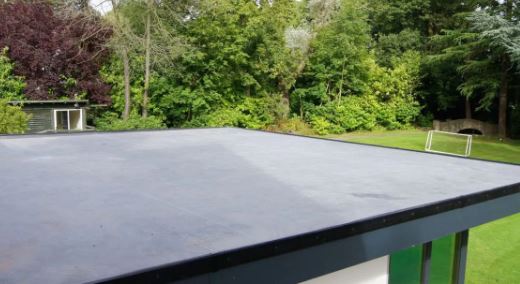
Flat roofing systems commonly use:
- EPDM rubber membrane
- TPO membrane
- Modified bitumen
- Built-up roofing (BUR)
According to industry estimates, EPDM roofs can last 20–30 years, while TPO systems may last 15–25 years with proper maintenance.
For background on roof structures, see:
https://en.wikipedia.org/wiki/Roof
Is It Time to Replace Your Flat Roof?
Signs You Need Replacement
- Persistent leaks
- Large cracks or blisters
- Ponding water lasting over 48 hours
- Membrane shrinkage
- Visible seam separation
If more than 25% of the roof surface is damaged, full replacement is typically more cost-effective than patch repair.
What Materials and Tools Do You Need?
Tools
- Utility knife with hook blades
- Roofing roller (18–24 inches wide)
- Broom or blower
- Tape measure (25 ft)
- Chalk line
- Drill with screw attachments
- Safety harness
Materials (EPDM Example)
- EPDM membrane sheet
- Bonding adhesive
- Seam tape
- Insulation boards (polyiso recommended)
- Termination bars
- Roofing screws and plates
- Flashing materials
Always check local building codes before starting.
Step 1: Remove the Old Roofing Material
Start early in the day when temperatures are between 55–85°F.
Removal Process
- Cut old membrane into 3–4 foot strips.
- Use a flat shovel to lift material.
- Remove all debris down to decking.
- Inspect roof deck for rot.
Replace any damaged plywood (minimum ½-inch exterior grade).
Step 2: Inspect and Repair the Roof Deck
Your roof deck must be:
- Clean
- Dry
- Structurally sound
Check for:
- Soft spots
- Mold
- Nail pops
- Water damage
Replace compromised sections before proceeding.
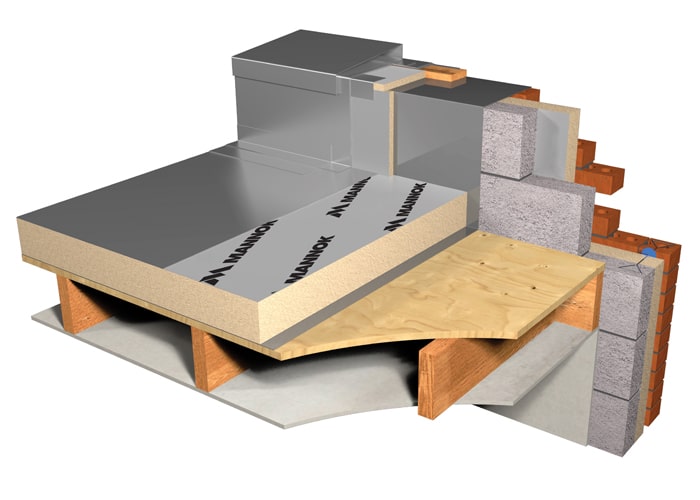
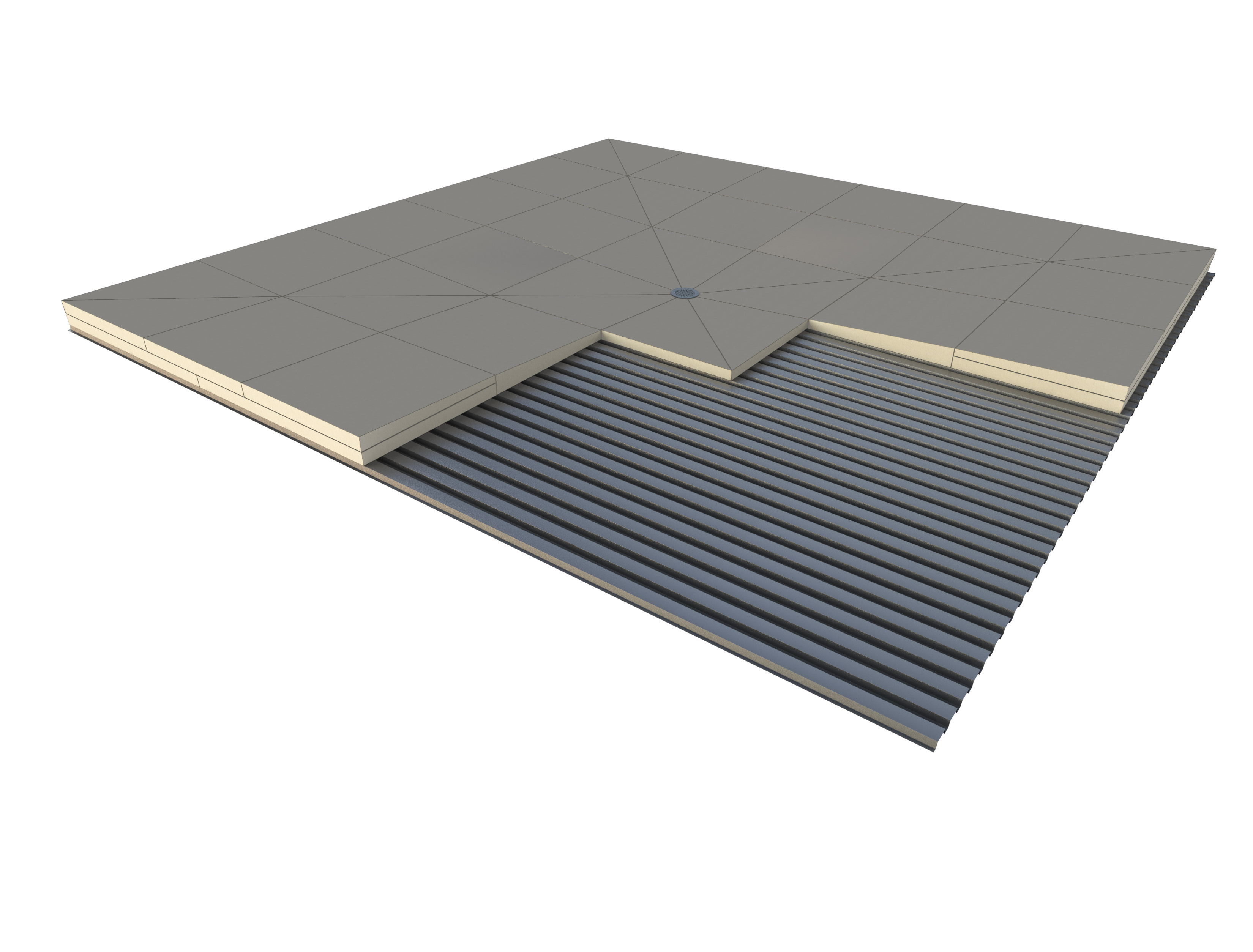
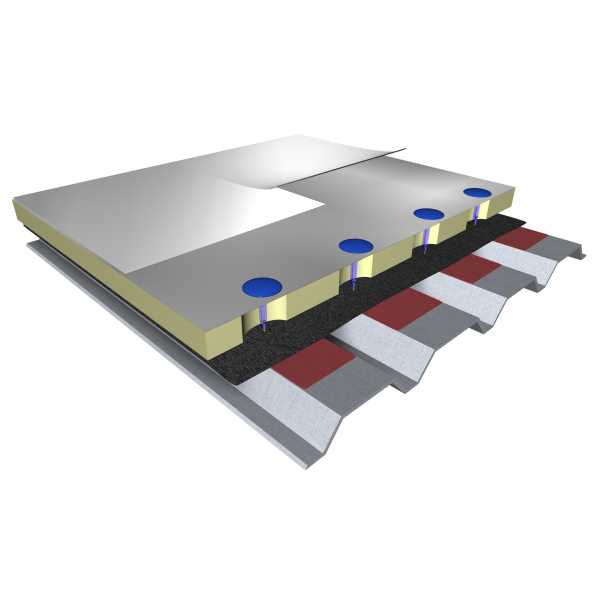
Step 3: Install Insulation Boards
4
Insulation improves energy efficiency and supports the membrane.
Installation Steps
- Lay boards staggered (brick pattern).
- Leave ¼-inch expansion gap.
- Secure using screws and plates.
- Fasten every 12 inches along edges and 18 inches in the field.
Proper insulation can reduce heat loss by up to 30%.
Step 4: Lay Out the EPDM Membrane
Unroll membrane and let it relax for 30 minutes.
Why? EPDM can shrink slightly when unrolled. Relaxation reduces wrinkles later.
Step 5: Apply Adhesive
Fold membrane halfway back.
- Apply bonding adhesive evenly with roller.
- Coverage rate: ~60 sq ft per gallon.
- Wait until adhesive becomes tacky (5–10 minutes).
- Roll membrane into place slowly.
Repeat on other half.
Use heavy roller to press out air bubbles.
Step 6: Seal Seams and Edges
Overlapping sections require seam tape.
- Clean seam area.
- Apply primer.
- Place seam tape.
- Roll firmly using hand roller.
Edges must be secured with termination bars and sealed with caulk.
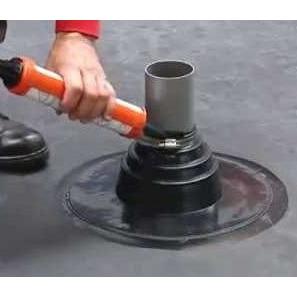
Step 7: Install Flashing Around Penetrations


4
Pay close attention to:
- Vents
- Skylights
- Chimneys
- HVAC units
Improper flashing is the #1 cause of leaks in flat roofing systems.
How Long Does Flat Roof Replacement Take?
Small home (1,000 sq ft): 2–3 days (2-person team)
Larger roof (2,000+ sq ft): 3–5 days
Weather significantly affects timeline.
How Much Does It Cost?
DIY Material Costs (U.S.)
| Item | Cost Per Sq Ft |
|---|---|
| EPDM membrane | $1–$2 |
| Insulation | $1–$2 |
| Adhesives & tape | $0.50–$1 |
| Total Materials | $2.50–$5 per sq ft |
Professional installation averages $5–$12 per sq ft.
Common Mistakes to Avoid
- Installing over wet decking
- Skipping insulation
- Poor seam preparation
- Not allowing membrane relaxation
- Ignoring drainage slope
Flat roofs must maintain proper drainage. Even slight pooling shortens lifespan.
How To Improve Drainage on a Flat Roof
If water pools longer than 48 hours:
- Install tapered insulation
- Add internal drains
- Improve scupper placement
Minimum slope recommendation: ¼ inch per foot.
FAQ – How To Replace A Flat Roof On A House
1. Can I replace a flat roof myself?
Yes, if you have construction experience and proper safety equipment. However, large roofs may require professional help.
2. What is the best material for flat roofs?
EPDM is popular for durability and affordability. TPO is more energy-efficient but slightly more complex to install.
3. How often should flat roofs be inspected?
Inspect twice per year and after major storms.
4. How do I prevent leaks after replacement?
Ensure proper seam sealing, flashing installation, and drainage slope.
5. Can I install a new membrane over old roofing?
Sometimes, but only if existing roof is structurally sound and local codes allow it.
6. What temperature is ideal for installation?
Install between 55–85°F for best adhesive bonding.
Conclusion
Now you understand exactly How To Replace A Flat Roof On A House—from removal and insulation to membrane installation and flashing.
A properly installed flat roof:
- Prevents costly water damage
- Improves energy efficiency
- Lasts 20–30 years
- Increases home value
Take your time, prioritize safety, and follow each step carefully. If this guide helped you plan your flat roof replacement, share it with other homeowners who may need it.

Leave a Reply