Figuring out How To Run Wires In A Flat Roof House can feel overwhelming. Flat roofs don’t have large attic spaces like pitched roofs, which makes wire routing more challenging.
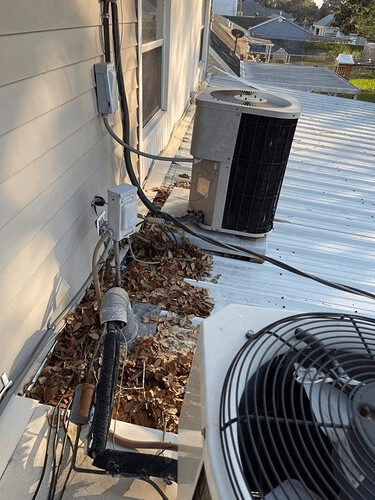
Whether you’re adding lighting, security cameras, or new outlets, this guide explains the safest and most efficient ways to run electrical wiring in a flat roof structure—without causing leaks, code violations, or structural damage.
Read too: Is It Reasonable to Ask the Seller to Replace the Roof?
How To Run Wires In A Flat Roof House: Complete Guide
Understanding How To Run Wires In A Flat Roof House starts with knowing how flat roof construction differs from traditional pitched roofs.
Flat roof homes typically use:
- Joist-and-deck construction
- Concrete slab roofs
- Built-up roofing (BUR) systems
- Modified bitumen or membrane roofing
According to general building structure information from Wikipedia – Flat Roof, flat roofs have minimal slope for drainage, meaning improper penetrations can easily lead to leaks.
That’s why planning is critical.
Can You Run Electrical Wires Through a Flat Roof?
Yes, but it must be done carefully and in compliance with the National Electrical Code (NEC).
There are three primary routing options:
- Through ceiling joists (most common)
- Through surface-mounted conduit
- Through interior wall cavities
Each method has pros and cons.
Method 1: Running Wires Through Ceiling Joists (Best Hidden Option)
This is the most common approach for residential homes.
Step-by-Step Process
Step 1: Turn Off Power (Mandatory)
- Shut off circuit breaker.
- Verify with voltage tester.
Never assume power is off.
Step 2: Locate Ceiling Joists (10–20 Minutes)
Use a stud finder to identify joist direction.
Typical spacing: 16 inches on center
Step 3: Drill Access Holes (15–30 Minutes)
- Use a ¾-inch spade bit
- Drill through center of joist (not top or bottom edge)
- Keep hole at least 2 inches from edges
This protects structural integrity.
Step 4: Pull NM Cable (Romex)
Use fish tape to guide cable.
Secure cable with:
- Staples every 4.5 feet
- Cable supports within 12 inches of electrical boxes
Advantages
✔ Hidden installation
✔ Clean finish
✔ Protected from weather
Disadvantages
✘ Requires ceiling access
✘ Labor intensive
Method 2: Surface-Mounted Conduit (Best for Retrofits)
If ceiling access is limited, surface-mounted conduit is practical.
Common Conduit Types
- EMT (Electrical Metallic Tubing)
- PVC conduit
- Flexible conduit
Mount conduit along:
- Interior walls
- Ceiling corners
- Garage ceilings
Secure conduit every 3 feet for EMT.
Advantages vs Disadvantages
| Pros | Cons |
|---|---|
| Easier installation | Visible wiring |
| Code compliant | Less aesthetic |
| Good for garages | Requires fittings |
Method 3: Running Wires Above the Roof Deck (Advanced & Risky)
In some flat roof commercial buildings, wiring runs above the deck within conduit.
However, for residential homes:
⚠️ This is NOT recommended unless done by a licensed electrician.
Why?
- Roof penetrations can cause leaks
- Improper flashing leads to water damage
- UV exposure damages wiring
Water damage repairs average $2,000–$5,000, according to insurance industry estimates.
How To Prevent Roof Leaks When Running Wires
If penetration is unavoidable (e.g., for solar or HVAC wiring):
- Use waterproof conduit fittings
- Install proper flashing
- Apply roofing sealant rated for membrane type
- Maintain ¼ inch per foot slope away from penetration
Even minor gaps allow water intrusion.
What Type of Wire Should You Use?
For interior residential wiring:
- NM-B cable (Romex) for dry areas
- THHN wire inside conduit
- UF cable for outdoor exposure
Minimum gauge depends on circuit:
| Circuit Type | Wire Gauge |
|---|---|
| 15 amp | 14 gauge |
| 20 amp | 12 gauge |
| 30 amp | 10 gauge |
Never undersize wire.
Common Mistakes When Running Wires in Flat Roof Homes
Avoid these errors:
- Drilling too close to joist edges
- Overloading circuits
- Skipping nail plates over drilled holes
- Running wire directly on roof membrane
- Ignoring ventilation pathways
According to licensed electricians, improper DIY wiring accounts for nearly 25% of residential electrical fire risks.
Do You Need a Permit?
In most U.S. states:
- New circuits require permit
- Panel modifications require inspection
- Minor outlet additions may not
Check local building codes before starting.
How Long Does It Take?
| Project Size | Estimated Time |
|---|---|
| Add outlet | 2–4 hours |
| Install lighting circuit | 4–8 hours |
| Whole room rewire | 1–2 days |
Flat roof structures may add 20–30% more time compared to attic access homes.
Safety Tips for Flat Roof Wiring
- Use fall protection if accessing roof
- Wear insulated gloves
- Never work in wet conditions
- Use GFCI protection where required
- Avoid compressing insulation
Safety should always come first.
FAQ: How To Run Wires In A Flat Roof House
1. Is it harder to run wires in a flat roof house?
Yes. Limited attic space makes routing more complex compared to pitched roofs.
2. Can I drill through flat roof joists?
Yes, but drill in the center of joists and avoid structural weakening.
3. Can I run wires on top of a flat roof?
Not recommended unless inside waterproof conduit and properly flashed.
4. What is the safest method?
Running wires through ceiling joists is safest for most residential homes.
5. Do I need conduit inside ceiling cavities?
Not usually. NM cable is allowed inside protected cavities per code.
6. Should I hire an electrician?
If adding new circuits or modifying panels, hiring a licensed electrician is strongly recommended.
Conclusion
Learning How To Run Wires In A Flat Roof House requires careful planning, safe drilling, and strict attention to waterproofing.
The best approach for most homeowners is routing cables through ceiling joists or using surface conduit for retrofits. Avoid unnecessary roof penetrations whenever possible.
With proper tools, correct wire sizing, and attention to code compliance, you can complete the project safely and efficiently.
If this guide helped you, share it on social media to help others tackle flat roof wiring projects with confidence and safety.

Leave a Reply