When it comes to protecting your home, a sturdy roof is one of the most critical elements. While there are various roofing materials available, metal roofing has gained popularity due to its durability, longevity, and aesthetic appeal. However, before investing in a metal roof, it’s crucial to understand the warranties associated with it. In this article, we’ll delve into the world of metal roofing warranties, what they cover, and what you should consider when selecting the right warranty for your home.
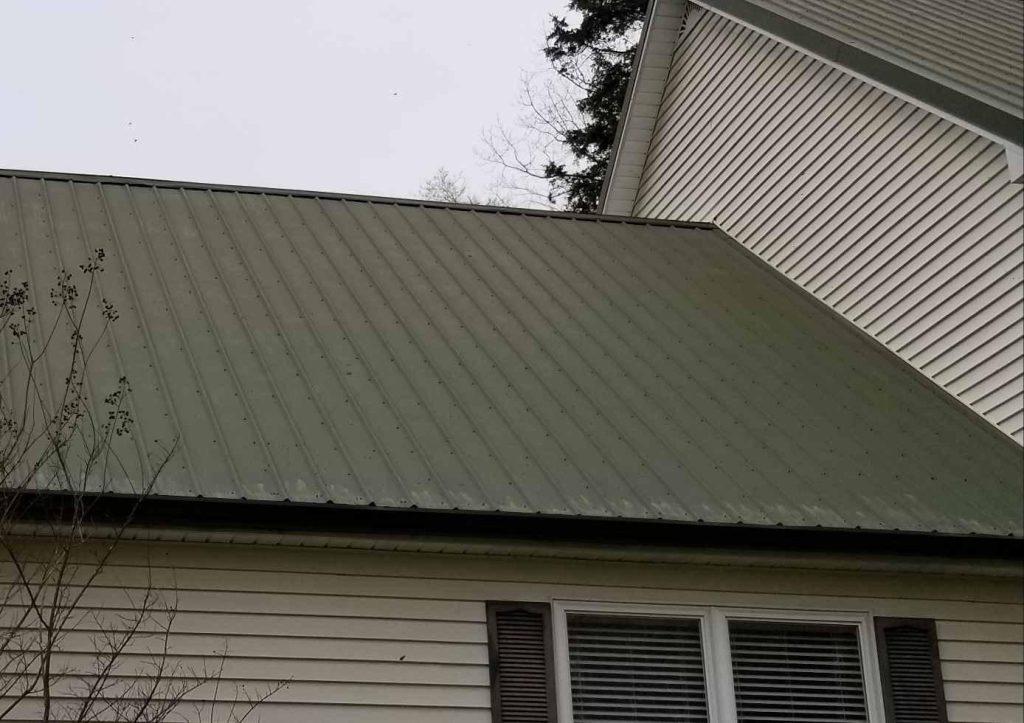
Types of Metal Roofing Warranties
Metal roofing warranties can vary depending on the manufacturer, the type of metal used, and the specific product you choose. However, two primary types of warranties are commonly offered:
1. Material-Only Warranty
A material-only warranty, as the name suggests, covers the cost of replacing defective roofing materials. This type of warranty typically lasts for a specified number of years, ranging from 20 to 50 years or more, depending on the manufacturer. Material-only warranties are limited to issues that arise due to manufacturing defects and may not cover issues caused by improper installation or extreme weather conditions.
2. System Warranty
A system warranty provides more comprehensive coverage as it includes both materials and the workmanship of the installation. This type of warranty is often offered by certified installers or roofing contractors who have been trained and approved by the manufacturer. System warranties generally last between 10 to 30 years.
What Metal Roofing Warranties Typically Cover
Understanding what your metal roofing warranty covers is essential to avoid any unexpected costs down the road. While coverage can vary between manufacturers, here are some common components covered by metal roofing warranties:
a. Material Defects
The most basic coverage of any metal roofing warranty is protection against material defects. This includes issues such as paint chipping, corrosion, or any other problems that occur due to manufacturing errors. Material-only warranties are solely concerned with these defects.
b. Installation Workmanship
If you opt for a system warranty, it will typically cover any defects in the installation workmanship. This means that if your roof experiences issues directly related to how it was installed, such as leaks or loose panels, those repairs may be covered.
c. Weather-Related Damage
Some warranties may include coverage for damage caused by extreme weather conditions, such as hail or high winds. However, this coverage is often subject to specific terms and conditions, so it’s essential to read the fine print.
d. Fade and Finish
Many metal roofing warranties also cover issues related to the finish, such as fading or chalking. If your roof’s color begins to deteriorate prematurely, the warranty may provide coverage for repairs or replacement.
What Metal Roofing Warranties Typically Don’t Cover
While metal roofing warranties offer valuable protection, they usually come with limitations. Here are some factors that are typically not covered by metal roofing warranties:
a. Normal Wear and Tear
Warranties are designed to protect against defects and unexpected issues, not the natural wear and tear that occurs over time.
b. Damage from Improper Installation
If your metal roof was not installed correctly, resulting in leaks or other problems, this may not be covered by the warranty. It’s essential to hire an experienced and certified installer to avoid this issue.
c. Acts of Nature
Most warranties do not cover damage caused by natural disasters like earthquakes or wildfires.
Choosing the Right Metal Roofing Warranty
Selecting the right metal roofing warranty requires careful consideration of your needs and budget. Here are some tips to help you make an informed decision:
1. Evaluate the Manufacturer
Research the reputation of the metal roofing manufacturer. A well-established and reputable company is more likely to stand behind its warranties.
2. Understand the Terms
Read the warranty terms and conditions thoroughly. Pay attention to the length of coverage, what is covered, and any specific requirements or limitations.
3. Consider Your Location
Take into account the climate and weather conditions in your area. If you live in an area prone to severe weather, you may want to prioritize a warranty that covers such events.
4. Professional Installation
Ensure that your metal roof is installed by a certified professional. Many warranties require professional installation to be valid.
5. Register Your Warranty
Some manufacturers require you to register your warranty to activate it fully. Be sure to complete this step if necessary.
In Conclusion
A metal roofing warranty can provide peace of mind and protect your investment for years to come. By understanding the types of warranties available, what they cover, and what to look for in a warranty, you can make an informed decision when choosing the right metal roofing for your home. Remember that regular maintenance and proper care will also help extend the life of your metal roof, ensuring that it continues to protect your home for many years.
Leave a Reply