If you’re renovating an older home, you may wonder: Old House Add New Roofing Paper Inside Exterior Wall — is it a good idea? Many homeowners try to improve insulation and moisture control during remodeling, especially when walls are already open.
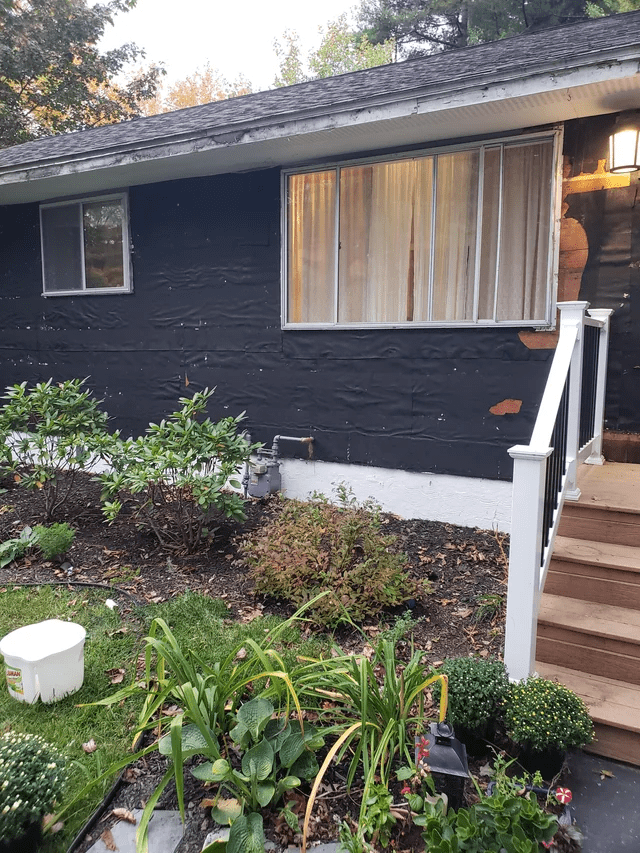
But adding roofing paper inside an exterior wall can either improve protection or create moisture problems—depending on climate and installation method. This complete guide explains when it works, when it doesn’t, and how to do it correctly.
Read too: Is It Reasonable to Ask the Seller to Replace the Roof?
Old House Add New Roofing Paper Inside Exterior Wall: What You Need to Know
Before deciding to Old House Add New Roofing Paper Inside Exterior Wall, it’s important to understand how older homes were built.
Many houses built before 1950:
- Had no wall insulation
- Used wood sheathing boards
- Lacked modern vapor barriers
- Relied on natural air movement
Roofing paper, also known as asphalt-saturated felt, is traditionally used under shingles as a water-resistant layer. According to Wikipedia – Roofing Felt, roofing felt acts as a secondary moisture barrier but is not fully waterproof.
Using it inside walls requires careful consideration.
Why Would Someone Add Roofing Paper Inside an Exterior Wall?
Homeowners usually consider this upgrade for:
- Draft reduction
- Moisture protection
- Air sealing
- Energy efficiency improvements
When walls are opened during renovations, it seems logical to add a barrier layer.
But the key question is:
Should it go inside the wall cavity?
Is It Safe to Install Roofing Paper Inside Exterior Walls?
Short answer: It depends on climate and wall assembly.
Major Risk: Moisture Trapping
If you install roofing paper incorrectly, you can trap moisture between layers.
Trapped moisture leads to:
- Mold growth
- Rotting studs
- Insulation damage
- Reduced indoor air quality
Modern building science emphasizes proper vapor control—not just adding more barriers.
Understanding Wall Moisture Movement
Moisture enters walls in three ways:
- Air leakage
- Vapor diffusion
- Bulk water intrusion
Air leakage causes the majority of moisture problems—not vapor diffusion alone.
If you add roofing paper inside the wall without proper ventilation strategy, you may create a “double vapor barrier.”
When Is It Appropriate to Add Roofing Paper Inside an Old Wall?
It may be appropriate when:
✔ Exterior sheathing has no water barrier
✔ You are not adding plastic vapor barrier
✔ Climate is moderate
✔ Wall assembly allows drying in one direction
In cold climates, vapor barriers usually belong on the interior side.
In hot-humid climates, vapor control may belong toward the exterior.
Roofing Paper vs House Wrap: What’s the Difference?
| Feature | Roofing Paper | House Wrap |
|---|---|---|
| Breathability | Limited | Vapor-permeable |
| Waterproof | Water-resistant | Water-resistant |
| Designed For | Roofing underlayment | Wall sheathing |
| Flexibility | Less flexible | More flexible |
House wrap is generally preferred for walls because it allows moisture vapor to escape.
Roofing paper is heavier and less breathable.
Step-by-Step: How To Add Roofing Paper Inside Exterior Wall Safely
If you’ve determined that installing roofing paper is appropriate for your situation, follow these steps.
Step 1: Open Wall Completely
Remove:
- Drywall
- Old insulation
- Debris
Inspect framing for:
- Rot
- Mold
- Termite damage
Repair before proceeding.
Step 2: Assess Existing Sheathing
Check whether the exterior already has:
- Tar paper
- House wrap
- Foam board insulation
If a vapor barrier already exists, avoid adding another impermeable layer.
Step 3: Install Roofing Paper (Interior Side Method)
- Cut felt paper to stud height.
- Staple vertically against studs.
- Overlap seams by at least 2 inches.
- Tape seams with compatible flashing tape.
Do NOT compress insulation during installation.
Step 4: Install Insulation
Options:
- Fiberglass batts
- Mineral wool
- Spray foam (if permitted by design)
Ensure insulation fits snugly.
Step 5: Seal Penetrations
Seal around:
- Electrical boxes
- Plumbing pipes
- Ductwork
Use expanding foam or sealant.
Step 6: Install Drywall
Attach drywall carefully.
Avoid puncturing felt excessively.
Alternative: Better Modern Solutions
Instead of roofing paper, consider:
- Smart vapor retarders
- House wrap on exterior
- Continuous exterior insulation
- Closed-cell spray foam
Modern materials provide better moisture management.
Energy Efficiency Impact
Adding air sealing and proper insulation can reduce heating and cooling costs by 10–30%, depending on climate and previous wall condition.
However, improper moisture control can increase repair costs dramatically.
Common Mistakes to Avoid
- Installing plastic vapor barrier over roofing paper
- Blocking wall drying potential
- Ignoring climate zone recommendations
- Failing to seal air leaks
- Not checking local building codes
Building codes vary by state.
Climate Considerations
Cold Climates
Interior vapor barrier often required.
Ensure wall can dry outward.
Hot-Humid Climates
Interior barriers may trap moisture.
Wall assemblies should allow inward drying.
Mixed Climates
Balanced approach required.
Consult local building guidelines.
Cost Breakdown
| Item | Estimated Cost |
|---|---|
| Roofing paper | $20–$40 per roll |
| Insulation (per sq ft) | $0.60–$2.00 |
| Labor (if hired) | $1–$3 per sq ft |
DIY retrofits can cost significantly less than professional moisture remediation.
Is It Worth It?
Adding roofing paper inside an exterior wall may:
✔ Improve draft control
✔ Add minor moisture protection
✔ Enhance insulation effectiveness
But only if done correctly.
Otherwise, risks outweigh benefits.
FAQ: Old House Add New Roofing Paper Inside Exterior Wall
1. Can roofing paper act as a vapor barrier?
It acts as a moisture retarder but is not a true vapor barrier.
2. Should I use plastic sheeting instead?
Plastic can trap moisture if improperly installed. Climate determines best choice.
3. Is house wrap better than roofing paper for walls?
Yes. House wrap is designed specifically for wall assemblies.
4. Can adding roofing paper reduce drafts?
Yes, if properly sealed and installed.
5. Will it increase home value?
Indirectly, through improved efficiency and comfort.
6. Do I need a permit?
Wall modifications often require permits depending on location.
Conclusion
When considering Old House Add New Roofing Paper Inside Exterior Wall, the key is understanding moisture dynamics—not just adding layers.
In some cases, roofing paper can improve performance. In others, it may create hidden problems. Evaluate climate, existing barriers, and drying potential before proceeding.
If you found this guide helpful, share it on social media to help other homeowners renovate wisely and avoid costly moisture mistakes.

Leave a Reply