Have you ever wondered whether cutting the roofing house top is the best way to help your home “breathe”? Homeowners in hot or humid climates often face issues with trapped attic heat, moisture buildup, and energy inefficiency. This has led many to ask: “Roofing house top—is it best to cut for breathing?”
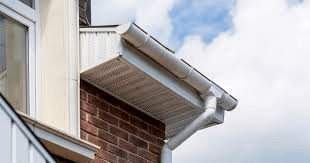
Proper roof ventilation is essential for keeping your home comfortable, energy-efficient, and structurally sound. But cutting your roof improperly can lead to leaks, insulation damage, and even void your roof warranty. In this guide, we’ll explore when it’s beneficial to cut your roof for ventilation and when to use safer alternatives.
Read too: Hail Damage Roof Repair: Essential Guide to Restoring Your Home’s Protection
Understanding Roof Ventilation and “Breathing”
A house roof doesn’t literally “breathe,” but it does need air circulation. Without ventilation, your attic becomes a trap for heat and moisture.
How Roof Ventilation Works
- Cool air enters through intake vents (usually at the soffit or eaves).
- Hot air escapes through exhaust vents (such as ridge or roof vents).
- This airflow prevents heat buildup, mold, and shingle deterioration.
According to Wikipedia, balanced airflow extends a roof’s lifespan and improves energy efficiency.
Signs of Poor Roof Ventilation
- Attic feels extremely hot, especially in summer.
- Mold or mildew visible on insulation or rafters.
- Ice dams forming in winter climates.
- Higher energy bills from overworked HVAC systems.
Should You Cut the Roofing House Top for Ventilation?
The short answer: only if it’s done professionally and strategically. Cutting holes or slots in your roof can dramatically improve ventilation—if you do it correctly.
When Cutting the Roof is Beneficial
- You’re installing ridge vents or roof vents designed for airflow.
- The attic lacks existing intake or exhaust vents.
- The home experiences moisture or heat buildup that affects indoor comfort.
When You Shouldn’t Cut the Roof
- You’re unsure of the internal framing structure.
- The roof already has sufficient venting (extra holes can cause air imbalance).
- The area is prone to heavy rain or hurricane winds, where leaks could occur.
Important: Always check your local building codes in Florida, Texas, or other humid states before making roof alterations. Many municipalities require inspection and permits for roof modifications.
Best Roof Ventilation Methods Instead of Cutting the Roof
If you’re hesitant about cutting the roof, there are other effective options to improve ventilation.
1. Soffit Vents (Intake Vents)
- Installed under the eaves.
- Draw cool air into the attic naturally.
- Work best when paired with ridge or gable vents.
2. Ridge Vents
- Placed along the roof’s peak.
- Allow hot air to escape evenly along the ridge line.
- Require a narrow slot to be cut along the top of the roof—done during installation, not afterward.
3. Gable Vents
- Installed on the upper ends of your house gables.
- Promote cross-ventilation using natural airflow.
- Simple to install and maintain.
4. Roof Turbines (Whirlybirds)
- Spin to pull hot air out of the attic.
- Work well in windy areas.
- No electricity required.
5. Powered Attic Fans
- Use electric or solar power to exhaust hot air.
- Ideal for large attics or homes in hot, humid regions.
- Can be paired with thermostats for automatic control.
The Pros and Cons of Cutting the Roofing House Top
| Advantages | Disadvantages |
|---|---|
| Improves air circulation | Risk of leaks if poorly sealed |
| Extends roof lifespan | Requires professional installation |
| Prevents mold and heat damage | May void manufacturer’s warranty |
| Reduces cooling costs | Needs ongoing maintenance |
Verdict:
Cutting the roof is beneficial only when part of a professional ventilation system design—such as a ridge vent or roof vent. DIY cutting without sealing can lead to long-term damage.
Step-by-Step: How Professionals Cut Roofs for Breathing
If you decide to add roof ventilation, here’s what a professional typically does:
- Inspection:
Evaluate attic temperature, humidity, and existing vent layout. - Marking the Cut:
Use a chalk line to mark a 1–2 inch slot along the ridge line (if installing ridge vents). - Cutting the Opening:
Using a circular saw, carefully cut through the roof sheathing—but not the rafters. - Installing Vent System:
Place a ridge vent cap or metal vent cover securely over the opening. - Sealing and Waterproofing:
Apply roofing sealant, flashing, and shingles to prevent leaks. - Testing Airflow:
Ensure intake and exhaust balance for optimal attic breathing.
This process should never be done without proper equipment, safety gear, and an understanding of roof structure.
Why Proper Ventilation Matters for Florida Homes
In hot, humid regions like St. Petersburg, Tampa, or Orlando, roofing ventilation plays a major role in comfort and energy savings. Florida homes are especially vulnerable to:
- Trapped moisture causing wood rot.
- Overheated attics increasing AC costs by up to 20%.
- Mold growth and insulation degradation.
By improving attic ventilation—through careful cutting or vent addition—you protect your home’s structural integrity and lower long-term energy costs.
Roof Ventilation Myths Debunked
| Myth | Truth |
|---|---|
| “More vents mean better ventilation.” | Too many vents can cause pressure imbalances and leaks. |
| “Cutting holes anywhere helps.” | Cuts must be placed strategically for intake/exhaust flow. |
| “Vents are unnecessary in mild climates.” | Even mild climates need airflow to prevent moisture damage. |
| “Fans alone are enough.” | Fans help, but still require intake/exhaust balance. |
Professional Recommendations
According to roofing experts:
- Maintain a 1:300 ventilation ratio — one square foot of venting for every 300 square feet of attic space.
- Keep a balance between intake and exhaust vents to prevent backdraft.
- Schedule annual inspections to clear blocked vents and check for leaks.
If your home shows signs of poor ventilation, consult a licensed roofer before cutting any roof openings.
FAQ: Roofing House Top – Is It Best to Cut for Breathing?
1. Should I cut my roof to improve ventilation?
Only if installing a ridge or roof vent and done by a certified roofer. Cutting the roof incorrectly can lead to leaks.
2. How do I know if my attic needs better ventilation?
If your attic is excessively hot, or you notice condensation or mold, it’s a strong indicator of poor airflow.
3. What’s the safest way to let my roof “breathe”?
Install soffit and ridge vents for continuous airflow. Avoid cutting random holes in the roof.
4. How much does it cost to install roof ventilation?
Professional installation ranges between $400 and $1,200, depending on vent type and roof size.
5. Can poor ventilation damage my roof?
Yes. It can lead to shingle blistering, wood rot, and insulation breakdown, reducing your roof’s lifespan by years.
6. Is roof cutting necessary for all homes?
No. Many modern homes have built-in vent systems or gable vents that eliminate the need for additional cuts.
Conclusion
So, is it best to cut the roofing house top for breathing? The answer depends on your roof’s design and existing ventilation. Cutting can greatly improve airflow and attic health—but only if done strategically and sealed correctly.
For most homeowners, the best approach is a balanced ventilation system combining soffit and ridge vents, designed and installed by professionals.
A well-ventilated roof will not only help your house “breathe” but also reduce energy bills, prevent mold, and extend the life of your roofing system.


Leave a Reply