When temperatures rise, keeping your home cool without skyrocketing energy bills becomes a major challenge. Many homeowners are now asking: Do roofs made of tin keep the house cool in summer?
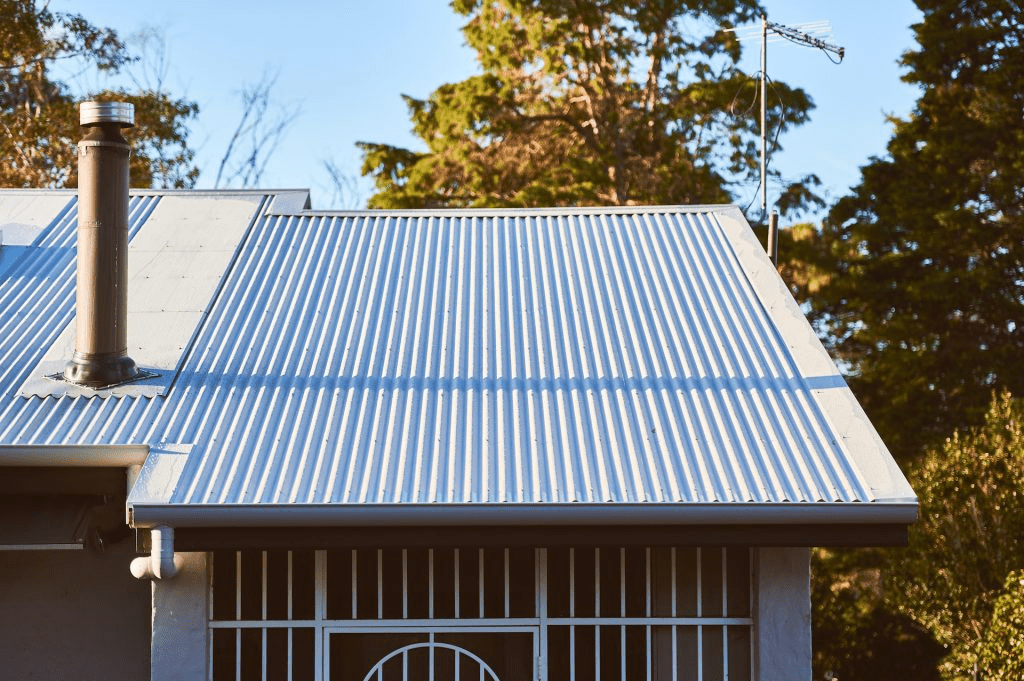
The short answer is yes — tin roofs can significantly reduce heat absorption when properly installed and coated. Their reflective properties help deflect sunlight rather than absorb it, making your home cooler and more energy-efficient. In this guide, we’ll explore how tin roofs work, their benefits, costs, and whether they’re the best choice for your home in warm U.S. climates.
Read too: Hail Damage Roof Repair: Essential Guide to Restoring Your Home’s Protection
How Tin Roofs Help Keep Your House Cool
Tin (or metal) roofing has evolved from the old corrugated sheets of decades ago. Modern tin roofs are made from galvanized steel or aluminum with reflective coatings designed to manage heat efficiently.
1. Reflective Properties of Tin Roofs
Metal roofs naturally reflect a large percentage of solar radiation — up to 70% of the sun’s heat, according to the U.S. Department of Energy. This is far higher than asphalt shingles, which tend to absorb heat.
When sunlight hits a tin roof:
- Most of the heat is reflected away from the surface.
- Less heat transfers into the attic or living areas.
- Interior temperatures remain lower, especially during midday heat waves.
This phenomenon is known as the albedo effect, which directly influences indoor comfort and cooling efficiency.
2. Low Heat Retention
Unlike asphalt, wood, or clay, tin roofs don’t store heat for long periods. Once the sun sets, the roof cools down quickly, allowing your home to lose residual heat faster and balance indoor temperature overnight.
3. Cool Roof Coatings
Many modern tin roofs include cool roof coatings — reflective paint finishes that enhance UV resistance. These coatings come in white, silver, or light metallic tones, which increase reflectivity and energy efficiency.
Scientific Backing: Why Tin Roofs Stay Cooler
According to the U.S. Department of Energy’s Cool Roof Program, reflective roofs can reduce surface temperature by up to 50°F (10–25°C) compared to dark roofs. This translates to a 10–15% reduction in energy consumption for air conditioning during hot seasons.
| Roof Material | Average Solar Reflectance | Surface Temperature (°F) |
|---|---|---|
| Asphalt Shingle | 0.09–0.15 | 160–190°F |
| Concrete Tile | 0.20–0.30 | 140–170°F |
| Tin/Metal Roof | 0.60–0.75 | 100–120°F |
Source: U.S. DOE Cool Roof Program, 2023
These numbers show why roofs made of tin keep the house cool in summer — their reflective performance dramatically reduces attic heat load.
Benefits of Tin Roofs in Hot Climates
Installing a tin roof isn’t just about staying cool; it brings long-term financial and environmental benefits.
1. Energy Savings
Because tin roofs reflect solar energy, homeowners often see a 20–30% reduction in cooling costs during the summer months. This is particularly beneficial in hot U.S. regions like Texas, Florida, and Arizona.
2. Durability and Longevity
Tin roofs can last 40–70 years, significantly longer than asphalt shingles (15–20 years). They withstand:
- UV exposure
- Heavy rain and wind
- Salt air in coastal environments
3. Eco-Friendly Material
Tin roofing is often made from recycled materials and can be fully recycled at the end of its life cycle — making it one of the most sustainable roofing choices available.
4. Fire and Weather Resistance
Unlike wood shingles, tin roofs are fire-resistant and perform well against strong winds and hail — essential qualities in hurricane-prone states.
Do Tin Roofs Get Too Hot? Common Misconception
A common myth is that metal roofs make homes hotter because they conduct heat. In reality, the opposite is true.
Why This Myth Is Wrong
- Tin reflects heat rather than absorbing it.
- With proper insulation underneath, almost no heat transfers into the attic.
- Light-colored or coated tin roofs enhance reflectivity and reduce indoor temperature fluctuations.
Experts from the Metal Roofing Alliance (MRA) state that properly insulated tin roofs can keep attic temperatures up to 50°F cooler compared to dark asphalt shingles.
Installation Factors That Affect Cooling Performance
Simply choosing tin isn’t enough — installation quality and design matter greatly.
1. Roof Color
- Light colors (white, beige, silver) reflect more sunlight.
- Dark colors absorb heat faster.
Choose reflective coatings for optimal performance.
2. Ventilation
Attic ventilation plays a critical role in keeping your home cool. Combine ridge vents, soffit vents, or attic fans to release trapped heat effectively.
3. Insulation Layer
Add radiant barriers or spray foam insulation beneath the tin panels. This prevents heat transfer and keeps living areas comfortable throughout the day.
4. Roof Pitch and Orientation
Roofs with higher pitches or those facing direct sunlight may benefit from additional reflective coatings or solar barriers.
Tin Roofs vs. Other Roofing Materials
| Roof Type | Cooling Efficiency | Average Lifespan | Cost (per sq. ft) | Maintenance |
|---|---|---|---|---|
| Asphalt Shingle | Low | 15–20 years | $3–$5 | Medium |
| Clay Tile | Medium | 30–40 years | $8–$12 | High |
| Concrete Tile | Medium | 40–50 years | $7–$10 | Medium |
| Tin/Metal Roof | High | 40–70 years | $5–$9 | Low |
From the table, it’s clear that tin roofs offer the best combination of longevity, low maintenance, and energy efficiency for homes in hot regions.
Maintenance Tips for a Cool Tin Roof
To maximize cooling benefits:
- Clean regularly – Remove debris, dust, or leaves that trap heat.
- Inspect coatings – Reapply reflective coatings every 8–10 years.
- Check for rust spots – Use zinc-rich paint or sealants for quick repair.
- Keep gutters clear – Avoid heat-trapping water buildup.
- Ensure proper attic airflow – Balance intake and exhaust vents.
Environmental Impact and Energy Efficiency
Choosing a tin roof is also an eco-conscious decision. The EPA’s ENERGY STAR program lists reflective metal roofing as one of the top-rated energy-efficient options for residential use.
- Reduces greenhouse gas emissions from lower AC usage.
- Helps mitigate the urban heat island effect in cities.
- Qualifies for certain federal tax credits or local rebates for energy-efficient upgrades.
FAQ: Roofs Made of Tin Keep the House Cool in Summer
1. Do tin roofs really make homes cooler?
Yes. Their reflective coating prevents most solar radiation from entering your home, keeping indoor spaces cooler and reducing AC use.
2. Are tin roofs noisy when it rains?
Modern installations use insulation and underlayment that reduce sound dramatically — most homeowners report minimal noise.
3. How much does a tin roof cost?
Installation costs range between $5–$9 per square foot, depending on design, coating, and local labor.
4. Can tin roofs be installed over existing shingles?
Yes, in many cases. However, proper inspection and structural evaluation are necessary to ensure safety.
5. Do tin roofs require maintenance?
Very little. Cleaning, coating checks, and rust prevention are typically all that’s needed.
6. Are tin roofs energy-efficient year-round?
Absolutely. They keep homes cool in summer and, with insulation, can retain heat efficiently during winter.
Conclusion
So, do roofs made of tin keep the house cool in summer?
Yes — and far more efficiently than traditional materials.
Tin roofs reflect sunlight, minimize heat absorption, and cool quickly after sunset, helping homeowners save energy and enjoy year-round comfort. With proper installation, insulation, and reflective coating, tin roofs can be one of the smartest long-term investments for your home.
If you live in a warm or coastal region, consider switching to a tin roof — your home, your wallet, and the planet will thank you.

Leave a Reply