When we talk about Rooms Under Roofs Of Houses Often Used For Storage, most homeowners immediately think of attics or loft spaces. These upper-level areas are commonly overlooked, yet they offer valuable square footage for storing seasonal items, family keepsakes, and household supplies.
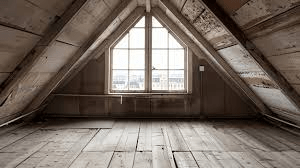
If your home feels cluttered or storage space is limited, understanding how to properly use and maintain these roof-level rooms can dramatically improve organization and property value.
What Are Rooms Under Roofs Of Houses Often Used For Storage Called?
The most common term for Rooms Under Roofs Of Houses Often Used For Storage is the attic. In some regions, the term “loft” is also used.
Read too: How Long Do Standing Seam Metal Roofs Last? A Comprehensive Guide to Durability and Longevity
An attic is the space between the roof and the ceiling of the top floor of a house. Historically, attics were primarily used for insulation and storage.
You can learn more about the architectural definition of an attic here:
https://en.wikipedia.org/wiki/Attic
In modern homes, these spaces may serve multiple purposes beyond storage.
Why Are Attics Commonly Used for Storage?
There are practical reasons homeowners use attic spaces for storage:
1. Underutilized Space
The area already exists but is not part of daily living areas.
2. Separation from Living Areas
Stored items remain out of sight.
3. Seasonal Accessibility
Perfect for holiday decorations and winter clothing.
4. Cost Efficiency
Using attic space is cheaper than building new storage rooms.
According to housing efficiency studies, maximizing vertical storage space can improve usable square footage by up to 15%.
What Can You Safely Store in an Attic?
Not everything belongs in a roof-level storage area.
Safe to Store
- Holiday decorations
- Suitcases
- Artificial trees
- Camping gear
- Plastic storage bins
- Non-sensitive tools
Avoid Storing
- Electronics
- Photographs
- Important documents
- Food
- Flammable materials
Attics often experience temperature extremes that can damage sensitive items.
What Are the Temperature Conditions in Roof Storage Rooms?
Attics are exposed to outdoor temperatures.
Typical Conditions
- Summer: 120°F–150°F
- Winter: Near freezing
- High humidity in some climates
Without proper ventilation, heat buildup can shorten the lifespan of stored materials.
Proper insulation significantly reduces temperature swings.
How to Prepare an Attic for Safe Storage
Before placing items in your attic, proper preparation is critical.
Step 1: Inspect Structural Support
- Check joists and floorboards.
- Ensure weight distribution capacity.
- Reinforce weak areas.
Attic floors are often designed for minimal load unless reinforced.
Step 2: Improve Insulation
Good insulation helps regulate temperature.
- Install fiberglass batts.
- Add spray foam insulation.
- Seal air leaks around vents.
Insulation reduces energy loss and protects stored belongings.
Step 3: Install Flooring Panels
- Measure available joist spacing.
- Install ¾-inch plywood panels.
- Secure panels with wood screws.
This creates a safe walking surface.
Step 4: Add Proper Lighting
Install LED lighting for safe access.
Avoid:
- Bare bulbs
- High-heat lighting
LED lighting reduces fire risk.
Step 5: Use Plastic Storage Bins
Avoid cardboard boxes.
Plastic bins:
- Resist moisture
- Prevent pest damage
- Stack safely
Label clearly for organization.
How to Organize Attic Storage Efficiently
Smart organization prevents clutter.
Storage Tips
- Place heavy items near center beams.
- Store frequently used items near entrance.
- Keep walkway clear.
- Use shelving units rated for attic weight.
- Store items in 2-liter moisture-absorbing containers if humidity is high.
Maintaining airflow prevents mold growth.
Converting Roof Storage into Usable Living Space
Many homeowners consider converting attic storage into:
- Bedrooms
- Home offices
- Playrooms
Requirements for Conversion
- Minimum ceiling height (often 7 feet)
- Proper insulation
- HVAC ventilation
- Structural reinforcement
- Building code compliance
Converting attic space can increase home value by 10–20%, depending on region.
Pros and Cons of Using Attics for Storage
Pros
- Maximizes unused space
- Reduces home clutter
- Cost-effective storage solution
- No need for external storage rental
Cons
- Temperature fluctuations
- Weight limitations
- Accessibility challenges
- Potential pest intrusion
Weighing these factors helps homeowners make informed decisions.
Safety Considerations
Roof-level storage areas require caution.
Safety Guidelines
- Do not overload joists.
- Keep flammable materials out.
- Install smoke detector.
- Use stable ladder access.
- Avoid stepping on insulation alone.
Structural safety should always be prioritized.
How Much Weight Can an Attic Hold?
Standard attic joists typically support:
- 10–20 pounds per square foot (storage only)
For heavier storage:
- Reinforce joists
- Add subflooring
- Consult structural professional
Overloading can cause ceiling sagging or cracks.
Pest Prevention in Roof Storage Rooms
Attics attract pests.
Preventative Steps
- Seal entry gaps.
- Install proper vent screens.
- Avoid storing food.
- Check annually for droppings.
Routine inspection protects stored belongings.
Cleaning and Maintenance Routine
Regular maintenance keeps attic storage safe.
Seasonal Cleaning Guide
- Remove stored items temporarily.
- Sweep debris.
- Wipe surfaces using 2 liters of lukewarm water (75°F–80°F) mixed with mild detergent.
- Allow space to dry fully.
- Reorganize items properly.
Perform maintenance at least once per year.
Is an Attic the Same as a Loft?
In American homes:
- “Attic” typically refers to unfinished roof space.
- “Loft” may describe finished or semi-finished space.
Terminology varies by region.
When Should You Avoid Using Attic Storage?
Avoid attic storage if:
- Roof leaks are present.
- Insulation is exposed.
- Structural beams are compromised.
- Mold growth is visible.
- Access is unsafe.
Address structural or moisture issues before using space.
FAQ – Rooms Under Roofs Of Houses Often Used For Storage
What are rooms under roofs called?
They are typically called attics or lofts.
Can I store heavy furniture in the attic?
Only if the joists are reinforced and weight capacity confirmed.
Is attic storage safe year-round?
Yes, if properly insulated and ventilated.
How do I prevent mold in attic storage?
Improve ventilation, use moisture absorbers, and avoid storing damp items.
Can attic storage increase home value?
Organized, usable attic space can improve buyer appeal and resale value.
Conclusion
Rooms Under Roofs Of Houses Often Used For Storage—commonly known as attics—offer valuable extra space when used properly. With proper insulation, structural reinforcement, and smart organization, attic storage can dramatically reduce clutter and improve home efficiency.
However, safety and weight limits should always be considered before loading items into roof-level spaces.
If this guide helped you better understand how to use your attic safely and effectively, consider sharing it with homeowners looking to maximize their storage potential.

Leave a Reply