When it comes to choosing the best roofing material for your home or commercial property, the decision often boils down to factors such as durability, cost, energy efficiency, and aesthetics. Among the most popular options are rubber roofs and metal roofs. Both materials have their unique advantages and disadvantages, making it essential to weigh them carefully. This article provides an in-depth comparison of Rubber Roof Vs Metal Roof to help you make an informed choice.
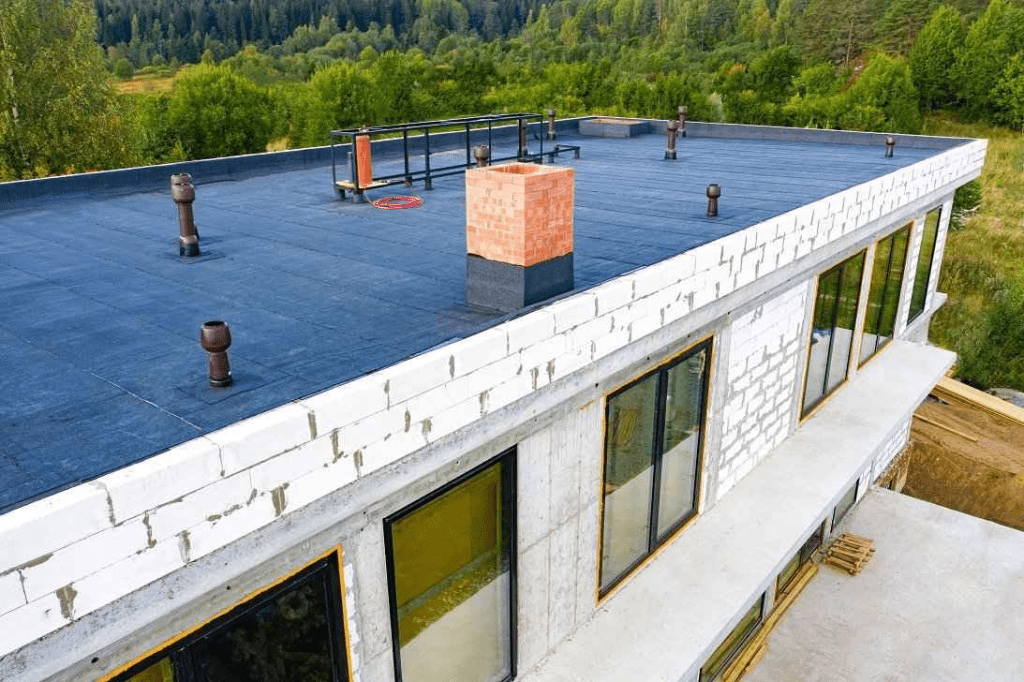
What is a Rubber Roof?
Rubber roofing, often referred to as EPDM (Ethylene Propylene Diene Monomer), is a synthetic rubber material commonly used for flat or low-slope roofs. It is highly durable, flexible, and easy to install.
Read too: Is It Reasonable to Ask the Seller to Replace the Roof?
Benefits of Rubber Roofs
- Durability: Rubber roofs can last 20-30 years or more with proper maintenance.
- Weather Resistance: They are highly resistant to extreme weather conditions, including heavy rain, snow, and UV rays.
- Eco-Friendly: Made from recycled materials, rubber roofing is an environmentally friendly choice.
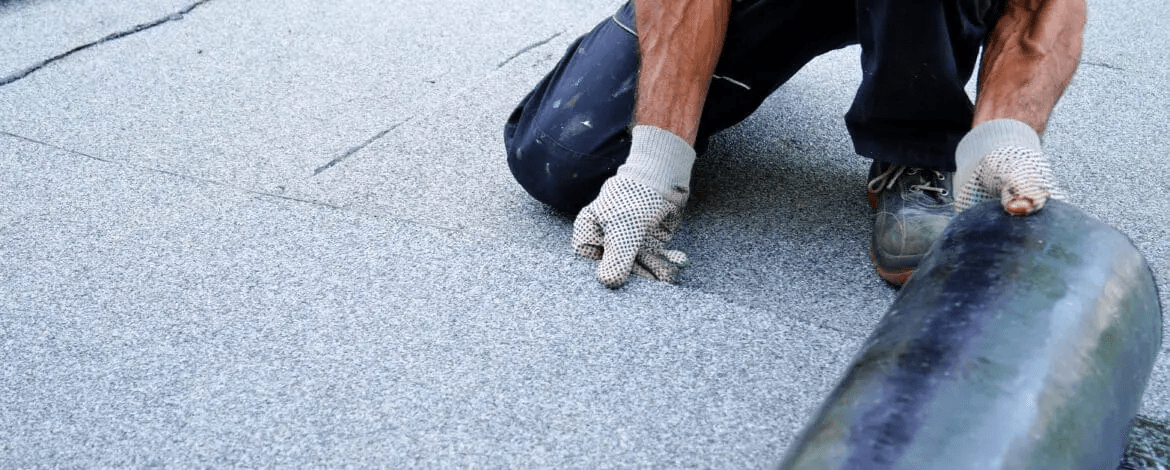
- Ease of Installation: Rubber roofs are lightweight and can often be installed quickly, reducing labor costs.
- Low Maintenance: Repairs are straightforward and affordable, often requiring just adhesive or a patch kit.
Drawbacks of Rubber Roofs
- Aesthetics: Rubber roofing is not always visually appealing, as it typically comes in a flat black or gray color.
- Limited Applications: Best suited for flat or low-slope roofs, it may not be ideal for steeply pitched structures.
- Cost of Repairs: While repairs are simple, finding matching material for older roofs can be challenging.
What is a Metal Roof?
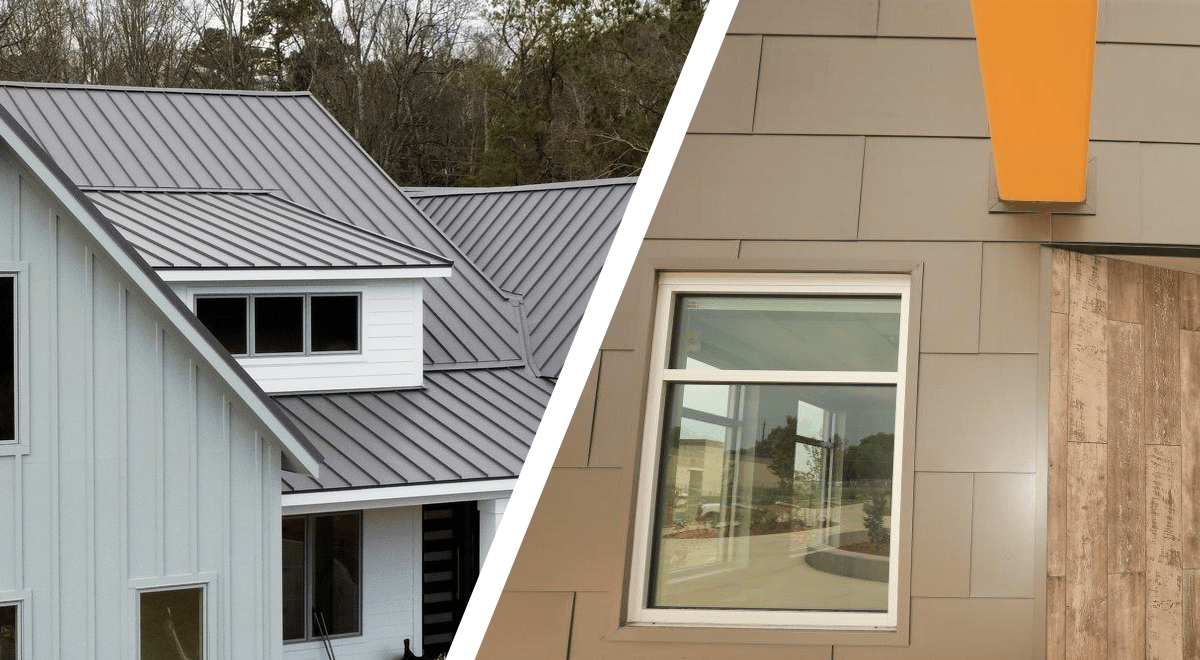
Metal roofing, available in materials like aluminum, steel, copper, or zinc, is a popular choice for both residential and commercial properties. Known for its sleek appearance and longevity, it is suitable for various roof slopes and designs.
Benefits of Metal Roofs
- Longevity: Metal roofs can last 40-70 years, making them a long-term investment.
- Energy Efficiency: Metal reflects sunlight, reducing heat absorption and lowering energy costs.
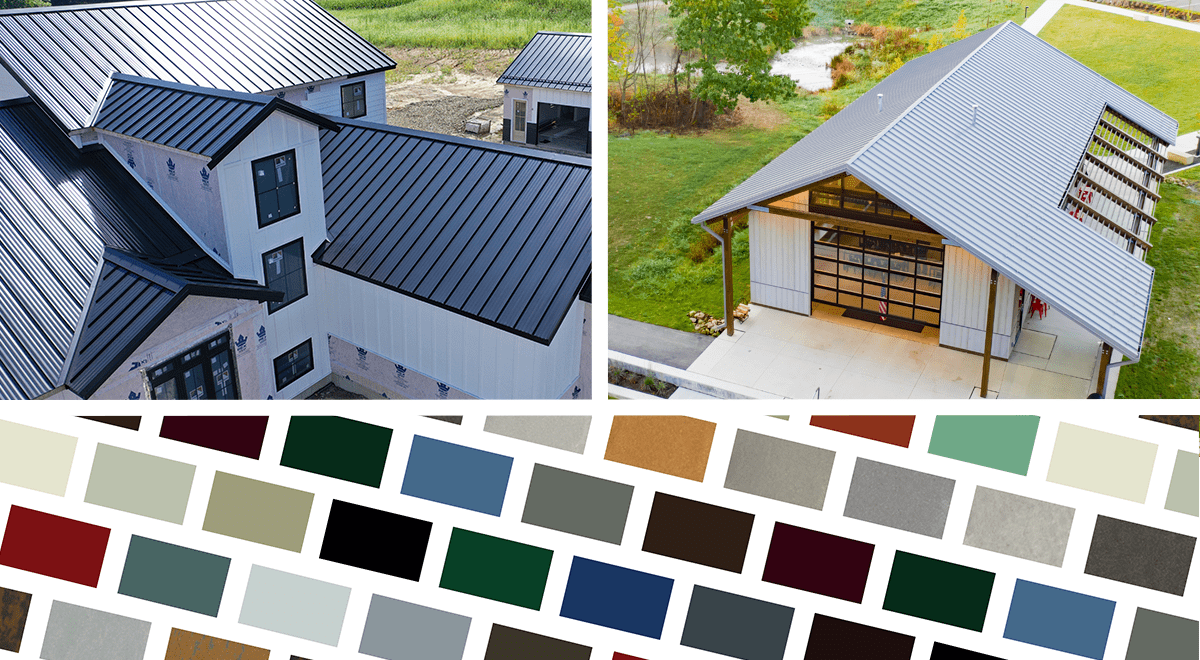
- Versatility: Available in various styles, colors, and finishes, metal roofing can complement any architectural design.
- Durability: Resistant to harsh weather conditions, including wind, hail, and fire.
- Low Maintenance: Requires minimal upkeep over its lifespan.
Drawbacks of Metal Roofs
- Initial Cost: Metal roofs are more expensive to install compared to other materials.
- Noise: Without proper insulation, metal roofs can be noisy during rain or hailstorms.
- Denting: Some metals, like aluminum, are prone to denting from debris or hail.
Rubber Roof Vs Metal Roof: A Comprehensive Comparison
1. Durability
- Rubber Roofs: Typically last 20-30 years. They are resistant to cracking, peeling, and extreme weather.
- Metal Roofs: Can last 40-70 years, withstanding heavy storms and high winds better than rubber roofs.
2. Cost
- Rubber Roofs: More affordable upfront, costing $3-$10 per square foot, including installation.
- Metal Roofs: Higher initial investment at $5-$15 per square foot, but cost-effective in the long term due to longevity.
3. Energy Efficiency
- Rubber Roofs: Absorb heat, which can increase cooling costs unless paired with a reflective coating.
- Metal Roofs: Reflect sunlight, keeping your home cooler and reducing energy bills significantly.
4. Maintenance
- Rubber Roofs: Require periodic inspections for cracks or punctures, but repairs are simple and inexpensive.
- Metal Roofs: Low maintenance but may need repainting or re-coating over decades.
5. Aesthetics
- Rubber Roofs: Limited color and style options, mostly suitable for flat or industrial-style buildings.
- Metal Roofs: Versatile and available in numerous designs and colors to match various architectural styles.
6. Environmental Impact
- Rubber Roofs: Often made from recycled materials and recyclable at the end of their lifespan.
- Metal Roofs: 100% recyclable and frequently made from recycled metals.
7. Installation Time
- Rubber Roofs: Faster to install due to their lightweight nature and simple application process.
- Metal Roofs: More complex to install, often requiring skilled labor.
Which Roof is Best for Your Needs?
The choice between a rubber roof and a metal roof depends on various factors, including your budget, aesthetic preferences, and the specific needs of your property.
Choose a Rubber Roof If:
- You need a cost-effective solution for a flat or low-slope roof.
- Eco-friendliness is a priority.
- You want a quick and easy installation process.
Choose a Metal Roof If:
- Longevity and energy efficiency are your main concerns.
- You’re looking for a versatile roofing material to enhance your property’s curb appeal.
- Your budget allows for a higher upfront investment.
Rubber Roof Vs Metal Roof for South Jersey Homeowners
For residents of South Jersey, where seasonal weather can range from intense storms to hot summers, both roofing options have unique advantages:
- Rubber Roofs: Ideal for flat roofs and commercial properties. Their weather resistance makes them suitable for South Jersey’s rainy seasons.
- Metal Roofs: Perfect for residential properties looking for energy efficiency and a long-lasting solution to withstand South Jersey’s diverse climate.
Maintenance Tips for Rubber and Metal Roofs
Regardless of your choice, regular maintenance is essential for prolonging your roof’s lifespan:
Rubber Roof Maintenance Tips
- Inspect for punctures or cracks twice a year and after severe weather.
- Clean the surface to remove debris and prevent algae growth.
- Apply protective coatings to extend the lifespan.
Metal Roof Maintenance Tips
- Check for loose screws or fasteners periodically.
- Inspect for signs of rust or corrosion, especially near seams.
- Clean gutters regularly to prevent water buildup.
Conclusion
When comparing Rubber Roof Vs Metal Roof, both materials have distinct benefits and limitations. Rubber roofs are an affordable, eco-friendly choice for flat or low-slope roofs, while metal roofs offer unparalleled longevity and energy efficiency for a higher upfront cost.
Evaluate your specific needs, including budget, roof slope, and long-term goals, to make the best decision. Whether you’re considering a rubber roof or a metal roof, investing in a high-quality roofing system will protect your property and add value for years to come.
Leave a Reply