If you’ve ever visited the Caribbean or browsed photos of rural homes, you might wonder: The Roof In Some Dominican Houses Is Made Of what exactly? Many travelers and homeowners are curious about the materials used—and why they’re chosen over modern shingles.
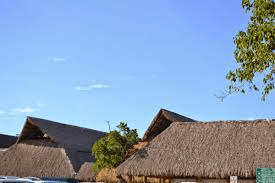
In this guide, we’ll explain The Roof In Some Dominican Houses Is Made Of palm leaves, zinc sheets, and sometimes concrete—depending on location, budget, and climate. You’ll also learn why these materials make practical sense in the Dominican Republic’s tropical environment.
Read too: Hail Damage Roof Repair: Essential Guide to Restoring Your Home’s Protection
What Is The Roof In Some Dominican Houses Is Made Of?


4
In many rural and coastal areas, The Roof In Some Dominican Houses Is Made Of palm leaves (thatched roofing) or corrugated zinc sheets. In more urban areas, concrete slab roofs are also common.
Here are the three most common roofing materials:
1. Palm Leaf (Thatched Roof)
Traditionally, Dominican rural homes—often called bohíos—use dried palm leaves.
- Made from local palm varieties
- Lightweight and breathable
- Naturally insulating
- Affordable and locally sourced
This technique has roots in Taíno indigenous architecture and is still used in countryside communities.
2. Corrugated Zinc or Metal Sheets
Zinc (often called “tin roofing” colloquially) is extremely popular in lower-income and rural neighborhoods.
- Quick to install
- Low upfront cost
- Resistant to heavy rain
- Lightweight but durable
However, it can be noisy during tropical storms and hot under direct sunlight.
3. Concrete Roof Slabs
In cities like Santo Domingo and Santiago, reinforced concrete roofs are common.
- Hurricane-resistant
- Long-lasting (30–50+ years)
- Allows future vertical expansion
- More expensive to build
For more technical details about roofing types, see this overview on roof construction at Wikipedia:
https://en.wikipedia.org/wiki/Roof
Why Are Palm and Zinc Roofs So Common?
Climate Adaptation
The Dominican Republic has:
- Average temperatures between 77–88°F (25–31°C)
- Heavy seasonal rainfall
- Hurricane exposure (June–November)
Palm roofing allows air circulation, helping reduce indoor heat. Zinc roofing, meanwhile, quickly drains heavy rainwater.
Economic Factors
According to Caribbean housing studies, rural construction prioritizes:
- Low material cost
- Easy transportation
- Local availability
Palm leaves can be harvested locally. Zinc sheets are inexpensive compared to asphalt shingles common in the U.S.
Cultural Tradition
Palm-roof homes are part of Dominican heritage. They reflect indigenous and Afro-Caribbean influences that remain important in rural identity.
How Long Do These Roofs Last?
| Material | Average Lifespan | Maintenance Level | Hurricane Resistance |
|---|---|---|---|
| Palm Thatch | 5–8 years | Medium | Low–Moderate |
| Zinc Sheets | 15–25 years | Low | Moderate |
| Concrete Slab | 30–50+ years | Low | High |
Key Insight: While palm roofs are less durable, they are extremely affordable and easy to replace.
Are Palm Leaf Roofs Waterproof?
Yes—but only when properly installed.
Step-by-Step Installation Basics:
- Dry palm leaves for 7–14 days.
- Layer leaves tightly (minimum 3–4 inches thick).
- Secure with wooden battens.
- Angle roof at least 35–45° for water runoff.
- Replace damaged sections annually before rainy season.
When layered correctly, water runs off naturally. Poor installation is usually the cause of leaks.
Are Zinc Roofs Too Hot in Tropical Weather?
This is one of the most common concerns.
Short answer: They can be hot—but solutions exist.
How to Reduce Heat Under Metal Roofs
- Install reflective coating.
- Add foam insulation (1–2 inches thickness).
- Ensure ventilation gaps.
- Use light-colored sheets.
Without insulation, indoor temperatures can rise 5–10°F higher compared to shaded palm roofs.
Cost Comparison: Palm vs Zinc vs Concrete
| Material | Approximate Cost (Per m²) | Installation Difficulty |
|---|---|---|
| Palm | $5–$12 | Low |
| Zinc | $12–$25 | Low–Moderate |
| Concrete | $40–$80 | High |
Prices vary by region and labor availability, but palm remains the most budget-friendly.
Are These Roofs Safe During Hurricanes?
Hurricanes are a major concern in the Caribbean.
Palm Roof
- Vulnerable to strong winds
- Can detach if not tied securely
Zinc Roof
- More wind-resistant
- Must be screwed down every 12–18 inches
- Reinforcement straps recommended
Concrete Roof
- Best hurricane performance
- Requires proper reinforcement (steel rebar)
In hurricane-prone zones, government programs increasingly promote reinforced roofing structures.
Why Don’t Dominican Houses Use Asphalt Shingles?
Many Americans ask this.
Reasons include:
- High import cost
- Limited availability
- Heavy weight (requires stronger framing)
- Less practical for simple rural structures
In contrast, zinc sheets are lighter and easier to transport to remote areas.
Modern Roofing Trends in the Dominican Republic
Urban areas are shifting toward:
- Reinforced concrete
- Thermal insulation systems
- Waterproof membranes
- Solar panel integration
However, in rural communities, palm and zinc remain practical and culturally significant.
FAQ Section
1. What is the roof in some Dominican houses made of traditionally?
Traditionally, the roof in some Dominican houses is made of dried palm leaves. This style reflects indigenous Taíno construction methods and is still used in rural areas.
2. Why do Dominican homes use zinc roofing?
Zinc roofing is affordable, lightweight, and resistant to heavy rain. It’s a practical solution for tropical climates and limited budgets.
3. Are palm roofs environmentally friendly?
Yes. Palm roofs use renewable materials, require minimal processing, and have low carbon impact compared to industrial roofing materials.
4. How often must a palm roof be replaced?
Typically every 5–8 years, depending on weather exposure and maintenance quality.
5. Is a concrete roof better than zinc?
For durability and hurricane resistance, yes. However, concrete is more expensive and requires skilled labor.
6. Can you install insulation under a zinc roof?
Yes. Adding foam panels (1–2 inches thick) or reflective barriers significantly reduces indoor heat.
Conclusion
So, The Roof In Some Dominican Houses Is Made Of palm leaves, zinc sheets, or reinforced concrete—each chosen for climate, culture, and cost considerations.
Palm roofs offer tradition and sustainability. Zinc roofs provide affordability and practicality. Concrete delivers durability and hurricane protection.
Understanding these materials helps you appreciate Caribbean architecture—and make informed decisions if you’re building or renovating in a tropical climate.
If you found this guide helpful, share it with friends on social media and help others learn about Dominican home construction traditions!
Leave a Reply