The slate roof engraving of William Penn’s slate roof house is a remarkable example of colonial craftsmanship and architectural design. Homeowners, historians, and architecture enthusiasts alike are fascinated by the intricate detailing and historic significance of this iconic feature. Understanding its purpose and heritage helps appreciate the artistry behind early American homes.
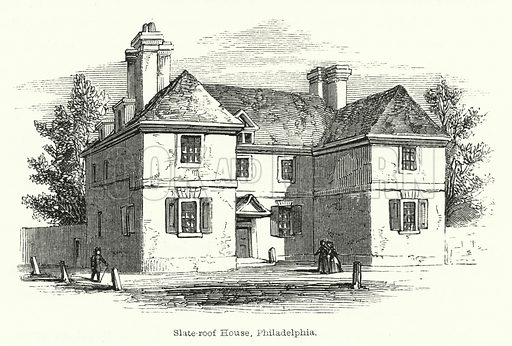
What Is The Slate Roof Engraving?
- A slate roof engraving refers to decorative patterns carved or embedded into individual slate tiles.
- In William Penn’s home, these engravings often feature geometric patterns, symbols, or initials, representing both aesthetics and status.
- Engravings serve practical purposes too, such as aiding alignment and indicating slate quality during installation.
Read too: Hail Damage Roof Repair: Essential Guide to Restoring Your Home’s Protection
According to architectural historians, these engravings are rare in colonial American houses and reflect skilled masonry imported from Europe.
Historical Significance
- Connection to William Penn
- As the founder of Pennsylvania, Penn’s house was designed to reflect both functionality and prestige.
- The engraved slate roof demonstrated attention to detail and high craftsmanship.
- Colonial Architecture
- Slate roofing was a durable choice in the 17th century.
- Engravings added a decorative yet practical element to early American homes.
- Symbolism and Status
- Engravings often indicated wealth, social standing, or family heritage.
How Slate Roofs Were Constructed
| Feature | Description |
|---|---|
| Slate Tiles | Natural stone tiles, cut to size and durability standards |
| Engraving | Carved patterns for aesthetics and alignment |
| Fastening | Copper or iron nails secured the tiles |
| Roof Pitch | Designed to shed water efficiently, preventing leaks |
- Step-by-step Installation:
- Prepare the roof frame with proper slope.
- Lay underlayment to protect against moisture.
- Arrange slate tiles in rows, ensuring correct overlap.
- Fasten tiles with corrosion-resistant nails.
- Apply engraved tiles at designated positions for visual impact.
Preservation of Slate Roof Engravings
- Inspection: Regularly check for cracks or loosened tiles.
- Cleaning: Avoid harsh chemicals; use gentle brushes and water.
- Repair: Replace damaged slates with matching engraved tiles.
- Documentation: Photograph and record engravings for historical reference.
The National Park Service emphasizes preservation techniques to maintain the historic integrity of colonial homes and their roofing elements.
Why It Matters Today
- Educational Value: Teaches about colonial craftsmanship and architecture.
- Cultural Heritage: Preserves the legacy of early American builders and William Penn’s vision.
- Tourism & Community Pride: Historic homes attract visitors and highlight local history.
FAQ – The Slate Roof Engraving Of William Penn’s Slate Roof House
1. What is unique about William Penn’s slate roof engraving?
It combines decorative artistry with functional roofing, rare in colonial American homes.
2. How were the engravings made?
Skilled craftsmen carved geometric patterns or initials into individual slate tiles before installation.
3. Can engraved slate tiles be replaced today?
Yes, but matching the original pattern and material is essential to maintain historical accuracy.
4. Did all colonial houses have engraved slate roofs?
No, only homes of wealthy owners or significant public buildings often featured engraved slates.
5. How does the slate roof affect the house’s durability?
Slate is extremely durable and weather-resistant; engravings do not compromise strength when properly installed.
6. Where can I learn more about colonial slate roofing?
Refer to Wikipedia’s Slate Roof article for historical and technical context.
Conclusion
The slate roof engraving of William Penn’s slate roof house is a testament to colonial craftsmanship, architectural ingenuity, and historical significance. Preserving these engravings not only protects a piece of history but also educates future generations about early American life.
Share this guide to inspire appreciation for historic homes and the artistry of slate roof engravings.
Leave a Reply