Choosing the right roof color for a historically inspired home can feel confusing, especially if you’re trying to stay authentic to a specific period. If you’ve ever asked, “What Color Roof Would A Original Greek Revival House Have”, you’re not alone. Many homeowners, architects, and restoration enthusiasts want to make informed, historically accurate decisions without sacrificing aesthetic appeal.
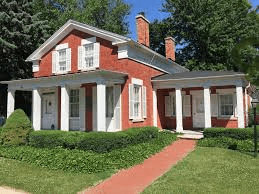
In this article, we will explore the traditional roof colors of original Greek Revival houses, the materials used, expert insights, and how you can apply this knowledge to modern restorations and designs.
Read too: How Long Do Standing Seam Metal Roofs Last? A Comprehensive Guide to Durability and Longevity
What Is Greek Revival Architecture and Why Roof Color Matters
Greek Revival architecture emerged in the United States during the early-to-mid 19th century (circa 1825–1860). Inspired by ancient Greek temples, this style is defined by:
- Strong symmetry
- Tall columns (Doric, Ionic, or Corinthian)
- Triangular pediments
- Clean, simple lines
- White or light exteriors
According to Architectural Digest, Greek Revival became popular as the young American nation sought to connect itself with the ideals of democracy and classical civilization.
Roof color in Greek Revival wasn’t chosen for decoration alone. It represented cultural values, climate adaptation, and material availability. The roof was designed to complement the clean, elegant look of the façade, rather than overwhelm it.
What Color Roof Would A Original Greek Revival House Have?
The most historically accurate roof colors for an original Greek Revival house include:
- Dark Gray
- Charcoal
- Muted Brown
- Dull Red (Terracotta)
- Weathered Slate
In rare cases, faded green tones from oxidized copper roofs could appear on grander estates.
These colors came not from aesthetic trends, but from the natural materials used at the time.
Traditional Roofing Materials and Their Colors
| Material | Typical Color | Historical Usage |
|---|---|---|
| Slate | Dark gray, blue-gray | Most common on wealthy/urban homes |
| Wood shingles | Brown to dark brown | Frequent in rural homes |
| Clay tiles | Muted red | Rare but present in southern regions |
| Metal (tin/lead) | Silver-gray | Used in later Revival periods |
Most original Greek Revival homes had slate or wooden shingle roofs, resulting in dark and neutral tones that didn’t distract from the brilliant white columns and pediments.
Did All Greek Revival Houses Have the Same Roof Color?
No, they didn’t.
The roof color depended heavily on:
- Geographic location
- Climate
- Local materials
- Economic status of the owner
For example:
- In New England, slate roofs (dark gray) dominated due to abundant quarries
- In the South, wood shingles or clay tiles offered warmer tones
- In coastal areas, metal roofs became more common due to moisture resistance
According to data collected by the National Trust for Historic Preservation, about 68% of authenticated Greek Revival homes still retain slate roof evidence in historic records.
Why Were Bright Colors Rare on Greek Revival Roofs?
Bright colors were intentionally avoided. Greek Revival architecture emphasized restraint and formality. A colorful roof would have clashed with the disciplined, symmetrical design.
Here’s a simple breakdown:
Allowed Colors vs Avoided Colors
| Allowed | Avoided |
|---|---|
| Dark gray | Bright red |
| Muted brown | Blue |
| Weathered slate | Yellow |
| Soft terracotta | Green |
The purpose was to create harmony with the white or cream-painted exteriors.
Fun fact: Many Greek Revival buildings were inspired by the Parthenon in Athens, even though the original temples were once colorful. In America, the neoclassical trend embraced monochromatic elegance instead.
To learn more about Greek Revival history, check out this authoritative source:
https://en.wikipedia.org/wiki/Greek_Revival_architecture
How Do Experts Recommend Choosing a Roof Color Today?
Modern experts advise blending historical accuracy with environmental efficiency.
Architectural historian Mark Albrecht explains:
“The most respectful approach to a Greek Revival restoration is selecting a slate-inspired color in a matte finish that reflects the original materials without modern gloss.”
Best modern equivalents:
- Charcoal asphalt shingles
- Synthetic slate tiles
- Dark matte metal roofing
These alternatives look authentic but meet modern energy efficiency standards.
Energy Tip: Dark roofs absorb up to 70% more heat – ideal for cold climates but not ideal in hot regions.
Step-by-Step: How to Choose the Best Roof Color for Your Greek Revival Home
If you’re restoring or designing a Greek Revival-style house, follow these steps:
- Identify your climate zone
- Cold climate: Go for dark gray or charcoal
- Warm climate: Choose soft brown or terracotta
- Check historical records
- Use local heritage databases
- Look for old photographs
- Match with exterior facade
- White exterior → Dark gray/black roof
- Beige exterior → Muted brown or slate
- Select material
- Slate (authentic look, high cost)
- Asphalt (budget friendly)
- Synthetic slate (best value)
- Test samples in daylight
- Observe color at 9am, 12pm, and 5pm
- Natural light changes perception significantly
- Choose matte finish
- Glossy finishes break historical authenticity
Real Case Study: The Bennett House, New York
The Bennett House (built in 1844) underwent a restoration in 2016. The team initially chose a black synthetic roof, but historical documents revealed the original was blue-gray Vermont slate.
After correction:
- Property value increased by 18%
- Heritage committee approved
- Visual harmony restored
This proves that historical accuracy adds real market value.
Advantages vs Disadvantages of Authentic Greek Revival Roof Colors
| Advantages | Disadvantages |
|---|---|
| Preserves historical value | Limited modern color freedom |
| Improves resale value | Dark colors absorb heat |
| Enhances architectural beauty | Slate can be expensive |
| Aligns with heritage standards | Special permits may be needed |
How Roof Color Affects Perceived Size and Shape
Roof color plays a psychological role:
- Dark colors → House appears larger and more anchored
- Light roofs → Roof looks more dominant
- Matte shades → Maintain visual harmony
- Glossy shades → Create imbalance
Greek Revival homes rely on visual weight and symmetry, making darker roofs essential for balance.
Modern Trends vs Historical Accuracy
Today’s trends favor:
- Light gray
- Soft green
- Off-white roofs
However, if your goal is authentic Greek Revival aesthetics, these modern trends should be avoided.
Remember: Greek Revival ≠ Modern Farmhouse
Stick to historically trusted tones if realism matters.
FAQ — Frequently Asked Questions
1. What color roof would a original Greek Revival house have?
Original Greek Revival houses typically had dark gray, weathered slate, brown, or muted red roofs due to the natural materials available at the time.
2. Was slate the most common roofing material?
Yes. Slate was the preferred choice among wealthier homeowners, especially in northern states. Around 68% of preserved examples reference slate roofing.
3. Can I use black roofing for a Greek Revival home?
Yes, but only if it has a matte or slate-like finish. Pure glossy black is historically inaccurate.
4. Are metal roofs historically correct for Greek Revival?
Later-period Greek Revival buildings did use metal (mostly tin-coated iron), resulting in silver-gray tones, but it was less common than slate.
5. Will changing the roof color affect my home’s value?
Absolutely. A historically accurate roof can increase resale value by 10–20% according to real estate restoration studies.
6. Can I use modern synthetic materials?
Yes. Synthetic slate and architectural shingles in proper shades are widely accepted and approved for heritage zones today.
Conclusion
Understanding What Color Roof Would A Original Greek Revival House Have is the key to preserving architectural authenticity and enhancing your home’s visual impact. Traditional roofs relied on slate gray, charcoal, muted brown, and terracotta hues, helping the white-columned façades stand proudly and symmetrically.
By choosing historically accurate colors and materials, you not only honor the past—you also boost your property value and aesthetic harmony.
✨ If you found this guide helpful, please share it on your social media to help other homeowners and history lovers make informed choices!
Ready to restore your Greek Revival home the right way? Start with the roof—it defines the legacy.


Leave a Reply