Many homeowners and DIY builders ask, “What do you sheet the roof of a house with?”—especially when planning renovations or new home construction. Roof sheathing plays a crucial role in the strength and durability of the entire roofing system. In this guide, you’ll learn exactly what materials are used, why they matter, and how to choose the right one for your home.
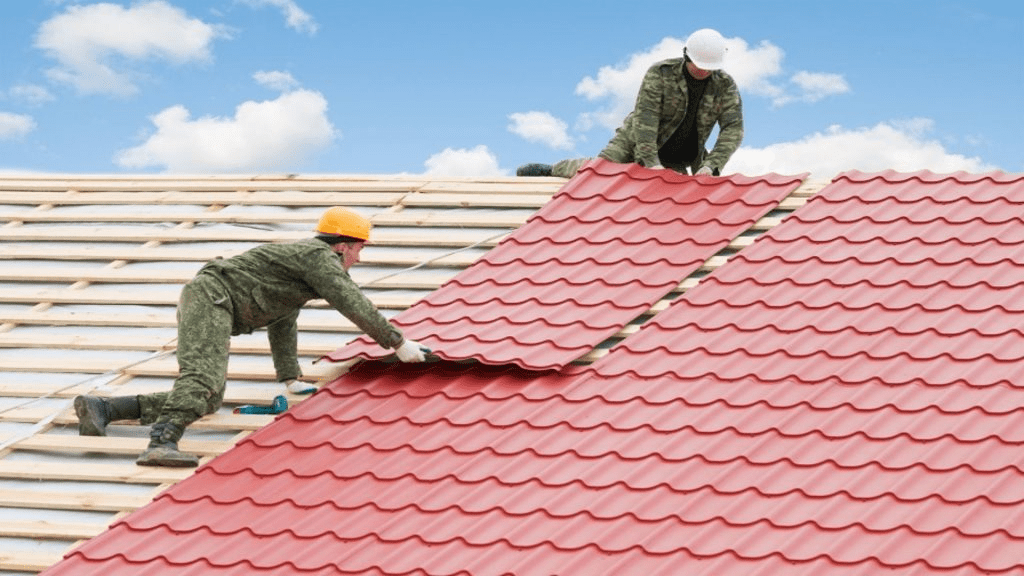
What Do You Sheet the Roof of a House With?
You sheet the roof of a house with roof sheathing (also called roof decking). The two most common materials used for roof sheathing are OSB (Oriented Strand Board) and Plywood. These sheets form a strong, stable surface for shingles, metal roofing, or tile to be attached to.
Read too: How Long Do Standing Seam Metal Roofs Last? A Comprehensive Guide to Durability and Longevity
Roof sheathing typically comes in 4×8-foot panels, with thicknesses ranging from 7/16 inch to 3/4 inch depending on climate, roof design, and local building codes.
According to construction definitions (source: Wikipedia), roof decking is the structural surface to which the roofing material is applied.
Why Is Roof Sheathing Important?
Roof sheathing performs several essential functions:
- Provides a stable surface for roofing materials
- Strengthens the roof structure
- Distributes loads such as snow and wind
- Helps prevent leaks
- Improves fire resistance and insulation
Without proper sheathing, a roof cannot support its weight or remain structurally safe.
Most Common Materials for Roof Sheathing
Below are the industry-standard materials used when sheeting a house roof.
1. OSB (Oriented Strand Board) – Most Popular
OSB is the most widely used sheathing material in modern construction.
Benefits:
- Affordable
- Strong and stable
- Uniform density
- Widely available
Best for: Standard homes, new construction, budget-conscious projects.
2. Plywood – Strong and Durable
Plywood is the second most common sheathing option, known for strength and moisture resistance.
Advantages:
- Handles moisture better than OSB
- Less swelling when wet
- Durable over decades
- Works well in humid climates
Best for: Coastal homes, high-moisture areas, premium projects.
3. Tongue-and-Groove Sheathing
These panels lock together for extra strength.
Features:
- Ideal for roofs with exposed beams
- Reduces movement and flexing
- Stronger joints
Best for: Structural roofs, cabins, A-frame homes.
4. Metal Sheathing
Used less often but ideal for specific projects.
Benefits:
- Extremely durable
- Fire-resistant
- Lightweight
Best for: Industrial buildings, wildfire-risk zones.
5. Cement Board
Very strong and moisture resistant.
Common use cases:
- Tile roofs
- High-moisture climates
- Commercial buildings
OSB vs. Plywood: Which Should You Choose?
| Feature | OSB | Plywood |
|---|---|---|
| Cost | Lower | Higher |
| Water resistance | Moderate | High |
| Durability | Strong | Very strong |
| Weight | Heavier | Lighter |
| Availability | Widely available | Also common |
| Best for | Standard builds | Humid climates |
Conclusion:
OSB is great for budget builds, but plywood performs better in wet or coastal climates.
How Thick Should Roof Sheathing Be?
The most common sheathing thicknesses are:
- 7/16 inch – most standard roofs
- 1/2 inch – higher strength
- 5/8 inch – recommended for heavy snow areas
- 3/4 inch – premium builds or long spans
Local building codes often require 5/8 inch plywood or OSB in heavy snow regions like Colorado, Montana, and the Upper Midwest.
Steps to Sheet the Roof of a House (Tutorial)
Below is a simplified step-by-step guide to understanding how roofing professionals install sheathing:
1. Measure the roof area
Calculate square footage:
Length × Width = Total area
Example:
A 30 × 40 ft roof = 1,200 sq ft.
2. Choose the sheathing material
Select OSB or plywood depending on climate and budget.
3. Cut panels
Cut 4×8 panels to fit tight spaces or roof edges.
4. Install the first row
Start at the lower corner of the roof and work upward.
5. Use correct nail spacing
Common nailing pattern:
- 6 inches apart on edges
- 12 inches apart in the field
Use 8d ring-shank nails for maximum grip.
6. Leave expansion gaps
Leave 1/8 inch gap between panels for expansion.
7. Install underlayment
After sheathing, apply:
- Synthetic underlayment
- Ice and water shield (in cold climates)
- Drip edge
8. Inspect before roofing
Check for soft spots, misaligned edges, or loose nails.
This ensures your roofing system lasts decades.
Signs Your Roof Sheathing Needs Replacement
Knowing when sheathing is failing is critical.
Common warning signs:
- Sagging roof
- Soft or spongy areas
- Visible mold or rot
- Water stains in attic
- Buckling shingles
- Delaminated plywood
If caught early, only partial replacement may be required.
How Long Does Roof Sheathing Last?
Most sheathing lasts 30–50 years if installed properly and protected by quality roofing materials.
OSB may last slightly less in humid climates, while plywood can last longer due to its layered construction.
When Should You Choose Plywood Over OSB?
Choose plywood if:
- You live in a humid or coastal climate
- You experience frequent heavy rains
- Your attic ventilation is poor
- You want maximum longevity
OSB is still reliable but absorbs more water if exposed.
Roof Sheathing for Specific Roof Types
1. Asphalt Shingle Roofs
Best paired with OSB or plywood.
2. Metal Roofs
Works well with plywood or specialized metal sheathing.
3. Tile Roofs
Requires strong, thick sheathing—usually 5/8 inch plywood.
4. Flat Roofs
Often use plywood or cement board for strength and moisture resistance.
Benefits of Using High-Quality Roof Sheathing
- Increased roof lifespan
- Better wind and snow resistance
- Improved energy efficiency
- Higher home resale value
- Less risk of leaks or sagging
Construction experts estimate that 40% of roof performance depends on quality sheathing and installation.
Roof Sheathing vs. Roof Underlayment vs. Roof Covering
| Component | Purpose |
|---|---|
| Sheathing | Structural base for roofing |
| Underlayment | Moisture barrier |
| Roofing Material | Final exterior layer (shingles, metal, tile) |
Each layer works together to create a durable roofing system.
FAQ (H2)
1. What do you sheet the roof of a house with?
You sheet the roof with roof sheathing, typically OSB or Plywood panels. These form the structural base for roofing materials.
2. Is OSB better than plywood for roofs?
OSB is more affordable and commonly used, while plywood offers better moisture resistance and durability—ideal for coastal or humid regions.
3. How thick should roof sheathing be?
Standard thickness is 7/16 inch, but 5/8 inch is recommended for heavy snow climates or premium builds.
4. Can you use metal panels as roof sheathing?
Yes, but this is more common in industrial buildings or fire-prone regions. Residential homes typically use OSB or plywood.
5. How long does roof sheathing last?
Most sheathing lasts 30–50 years, depending on installation quality, climate, and roof maintenance.
6. What is roof decking?
Roof decking is another term for sheathing—the layer of wood panels that supports your roofing materials.
Conclusion
Now you know exactly what you sheet the roof of a house with—OSB or plywood sheathing, along with other options for specific climates and roof types. Using high-quality sheathing improves durability, safety, and long-term value. If this guide helped you, feel free to share it on your social media to help others planning their roofing projects.
Leave a Reply