If you’re wondering what energy is a solar panel roof of a house, you’re asking a great question—especially with rising energy costs and the growing interest in renewable power. Many homeowners want to understand exactly how solar roofs work, what type of energy they produce, and why they’re becoming a popular choice for U.S. homes. This guide explains everything in simple, practical terms so you can make an informed decision.
What Energy Is a Solar Panel Roof of a House?
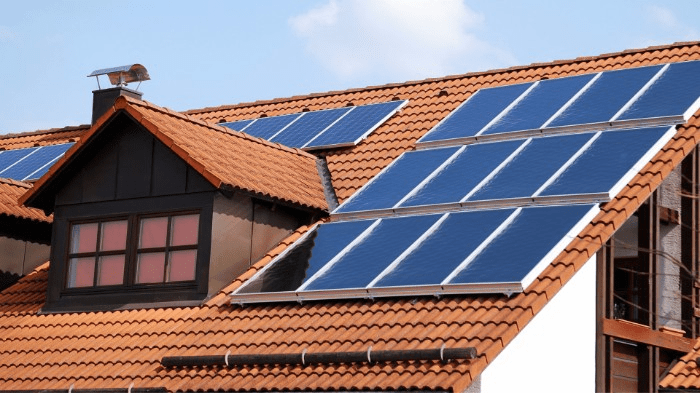
A solar panel roof on a house converts solar energy (sunlight) into electrical energy using a process called the photovoltaic effect. This energy is clean, renewable, and can power everything in your home—from lights to appliances to electric car chargers.
The solar panels capture radiant energy from the sun and transform it into direct current (DC) electricity, which is then converted to alternating current (AC) electricity, the type your home uses.
Read too: Hail Damage Roof Repair: Essential Guide to Restoring Your Home’s Protection
Let’s break down how it works.
1. What Type of Energy Does a Solar Roof Produce?
(H2 with keyword)
Solar panel roofs produce electrical energy, which originates from solar radiation—a form of electromagnetic energy emitted by the sun. The panels do not generate heat energy (although they do warm up slightly); their primary output is usable electricity.
Primary Energy Types Involved
- Sun’s Energy: Solar radiation (light energy)
- Panel Output: Electrical energy (DC power)
- After Inverter: Usable electricity (AC power)
Quick Definition:
According to physics and solar science, solar energy is a form of renewable electromagnetic energy. You can read general information about solar energy on Wikipedia’s “Solar Energy” page.
2. How Solar Panels Convert Sunlight Into Electricity
This process is called the photovoltaic effect, and it happens inside each solar cell.
Step-by-Step Process
- Sunlight hits the solar cells.
Each cell contains silicon layers. - Photons knock electrons loose.
This movement creates electrical flow. - Electricity begins as DC (direct current).
DC must be converted to AC before powering your home. - Inverter converts DC → AC.
AC is the same type of electricity used in U.S. homes (120–240V). - Electricity flows through your home.
Lights, appliances, and systems use the energy. - Excess energy can go to the grid (net metering).
Some states let you earn credits for unused energy.
3. What Makes Solar Energy a Renewable Source?
Solar energy is renewable because it comes from the sun—an ongoing natural source that will last billions of years.
Why Solar Energy Is Considered Renewable
- It doesn’t deplete natural resources
- It emits no pollution during operation
- The sun produces far more energy than humanity needs
Interesting Data:
The Earth receives enough sunlight in 1 hour to power the entire world for 1 year.
4. How Much Energy Can a Solar Roof Produce?
Energy production depends on:
- Roof angle
- Sun exposure
- Location
- Panel efficiency
- Weather conditions
- Roof orientation (south-facing is best in the U.S.)
Typical U.S. Solar Roof Output
- A standard rooftop system (6 kW) produces 700–900 kWh per month
- Enough to offset most American households’ energy use
Example Calculation
If a home uses 900 kWh/month and panels generate 800 kWh:
→ Panels supply 89% of energy needs.
5. Comparing Solar Roof Energy to Traditional Electricity Sources
| Energy Source | Type | Renewable? | Environmental Impact |
|---|---|---|---|
| Solar | Electromagnetic → Electrical | ✔ Yes | Very low |
| Natural Gas | Fossil fuel | ✘ No | Medium |
| Coal | Fossil fuel | ✘ No | High |
| Wind | Kinetic → Electrical | ✔ Yes | Very low |
| Nuclear | Atomic energy | Partially | Low emissions but waste issues |
Solar energy stands out as clean, predictable, and long-term.
6. Benefits of a Solar Panel Roof for Homeowners
A. Lower Energy Bills
Reports show homeowners save $600–$2,000 per year.
B. Increased Home Value
Studies show solar homes sell for 3–5% more on average.
C. Environmental Benefits
Solar reduces carbon emissions by replacing grid electricity.
D. Energy Independence
A home battery allows you to store solar energy for nighttime or outages.
E. Long-Term Savings
Solar panels often last 25–30 years with minimal maintenance.
7. What Happens When There Is No Sun?
Even cloudy days provide usable energy, though at lower output.
Typical Solar Performance
- Sunny day: 100%
- Partly cloudy: 50–80%
- Very cloudy: 10–30%
- Night: 0% (unless stored in a battery)
Battery storage helps bridge the gap between daytime production and nighttime use.
8. Do Solar Roofs Work in Winter?
Yes. Solar panels still generate energy in cold, snowy climates.
Why Solar Works in Winter
- Sunlight still reaches panels
- Cold temperatures increase panel efficiency
- Snow reflects extra sunlight (albedo effect)
Energy Impact
Heavy snow can temporarily block production until it melts or slides off.
9. Do Solar Roofs Work During a Power Outage?
Only if the system includes:
- A battery backup, or
- A hybrid solar inverter
Standard grid-tied solar systems shut off during outages for safety.
Infographic Style: How Solar Roof Energy Flows
- Sunlight hits panels
- Panels produce DC electricity
- Inverter converts DC to AC
- Home uses AC power
- Extra energy goes to the grid or battery
Step-by-Step: How to Install a Solar Roof (Simplified Guide)
1. Evaluate Your Roof
- At least 300 sq. ft. of usable space
- South-facing is ideal
- Minimal shade
2. Energy Usage Review
Compare last 12 months of electricity bills.
3. Choose Panel Type
- Monocrystalline (highest efficiency)
- Polycrystalline (affordable)
- Thin-film (lightweight)
4. Installation
Panels are mounted using:
- Rails
- Flashing
- Racking systems
Installation takes 1–3 days.
5. Connect the Inverter
Install:
- Microinverters (panel-level)
OR - String inverters (system-level)
6. Power On & Monitor
Use mobile apps to track daily and monthly energy production.
Comparison Table: Solar Energy Pros & Cons
| Pros | Cons |
|---|---|
| Lower electric bills | Requires upfront investment |
| Clean, renewable energy | Weather-dependent |
| Increases home value | May need roof repairs first |
| Long lifespan | Battery costs extra |
| Federal & state incentives | Not ideal for shaded roofs |
FAQ Section
1. What kind of energy does a solar roof produce?
It produces electrical energy, which comes from solar radiation.
2. Do solar roofs generate heat energy?
No. Panels absorb sunlight but convert it primarily into electricity, not heat.
3. Can solar energy power an entire house?
Yes—most U.S. homes can be fully powered by a properly sized solar system.
4. What happens to excess energy?
It flows back into the electrical grid or charges a home battery.
5. How efficient are solar panels?
Modern panels range from 18–23% efficiency, depending on type and brand.
6. Does roof direction matter?
Yes. South-facing roofs in the U.S. generate the most energy.
Conclusion
Understanding what energy is a solar panel roof of a house helps homeowners see the full advantage of switching to renewable power. Solar roofs use sunlight to produce clean, efficient electricity that powers your home, reduces costs, and increases long-term value. If this guide helped you, feel free to share it on your social media to help others learn about solar roof energy too!

Leave a Reply