Metal roofs are durable, energy-efficient, and long-lasting—but without proper insulation, they can become noisy, uncomfortable, and inefficient. Many homeowners ask what insulation to use on a house roof under metal to control heat, condensation, and energy costs. This guide explains the best insulation options, how they work, and how to choose the right one for your climate and budget.
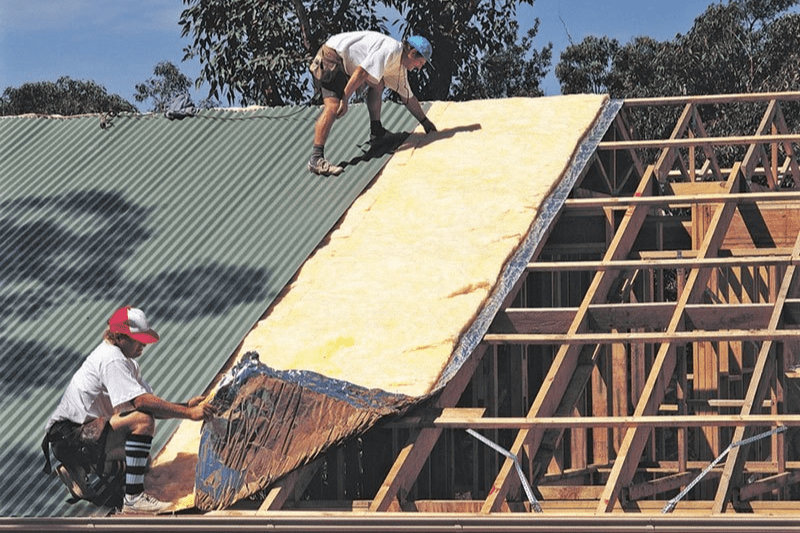
Why Insulation Matters Under a Metal Roof
Metal roofing behaves differently from asphalt shingles or tiles. It heats up and cools down quickly, which can cause:
- Heat gain in summer
- Heat loss in winter
- Condensation buildup
- Increased HVAC costs
- Noise during rain or hail
Read too: How Long Do Standing Seam Metal Roofs Last? A Comprehensive Guide to Durability and Longevity
According to the U.S. Department of Energy, proper roof insulation can reduce heating and cooling costs by up to 15% annually. With metal roofing, insulation isn’t optional—it’s essential.
What Insulation To Use On A House Roof Under Metal? (Quick Overview)
The best insulation depends on:
- Climate zone
- Roof structure (vented vs unvented)
- Budget
- Moisture control needs
Top insulation choices include:
- Rigid foam board
- Spray foam insulation
- Fiberglass batt insulation
- Reflective foil insulation
- Mineral wool (rock wool)
Each option has strengths and trade-offs, explained below.
1. Rigid Foam Board Insulation (Best Overall Choice)
Rigid foam boards are one of the most recommended answers to what insulation to use on a house roof under metal.
Why it works
- High R-value per inch
- Excellent moisture resistance
- Reduces thermal bridging
- Durable and long-lasting
Common types
- Polyisocyanurate (Polyiso) – R-6 to R-6.5 per inch
- Extruded Polystyrene (XPS) – R-5 per inch
- Expanded Polystyrene (EPS) – R-3.6 to R-4.2 per inch
Pros vs Cons
| Pros | Cons |
|---|---|
| High insulation value | Higher upfront cost |
| Moisture-resistant | Requires precise installation |
| Thin profile | Less sound absorption |
Best use case: Homes in hot or mixed climates with unvented roof assemblies.
2. Spray Foam Insulation (Best for Air Sealing)
Spray foam insulation expands to fill gaps, making it ideal for air sealing under metal roofs.
Types of spray foam
- Closed-cell spray foam (R-6 to R-7 per inch)
- Open-cell spray foam (R-3.5 to R-4 per inch)
Why homeowners choose it
- Creates an airtight seal
- Excellent condensation control
- Adds structural rigidity
- Long lifespan (30+ years)
Industry insight: Building scientists often recommend closed-cell spray foam for metal roofs due to its vapor barrier properties.
Drawbacks
- Higher cost
- Professional installation required
- Difficult to remove or modify later
3. Fiberglass Batt Insulation (Most Budget-Friendly Option)
Fiberglass batts are widely available and affordable, making them a popular choice.
How it performs
- R-3 to R-4 per inch
- Works best in vented roof systems
- Requires proper vapor barrier
Pros
- Low cost
- DIY-friendly
- Good sound absorption
Cons
- Loses effectiveness if compressed
- Poor moisture resistance
- Requires precise fitting
Important: Fiberglass alone does not prevent condensation under metal roofs unless paired with a vapor barrier.
4. Reflective Foil Insulation (Best for Hot Climates)
Reflective foil insulation works by reflecting radiant heat rather than slowing conductive heat flow.
Why it’s effective
- Reflects up to 97% of radiant heat
- Thin and lightweight
- Works well under standing seam metal roofs
Limitations
- Minimal R-value
- Less effective in cold climates
- Must face an air gap to work properly
Best combination: Reflective foil + rigid foam or fiberglass.
5. Mineral Wool (Rock Wool) Insulation
Mineral wool is gaining popularity due to its durability and fire resistance.
Key advantages
- Fire-resistant up to 2,000°F
- Water-repellent
- Excellent soundproofing
- R-4 to R-4.3 per inch
Downsides
- Higher cost than fiberglass
- Heavier material
- Limited availability in some regions
R-Value Recommendations by Climate Zone
| Climate Zone | Recommended R-Value |
|---|---|
| Hot (Zone 1–2) | R-30 to R-38 |
| Mixed (Zone 3–4) | R-38 to R-49 |
| Cold (Zone 5–7) | R-49 to R-60 |
Meeting these levels ensures optimal energy efficiency and comfort.
How to Install Insulation Under a Metal Roof (Step-by-Step)
Step 1: Inspect Roof Structure
Check for:
- Leaks
- Rusted fasteners
- Moisture damage
Step 2: Install Vapor Barrier
A vapor barrier prevents condensation. Place it:
- Between insulation and metal panels
- With seams taped and sealed
Step 3: Add Insulation Layer
Depending on the type:
- Foam boards: Fit tightly, seal edges
- Spray foam: Apply evenly (typically 2–4 inches)
- Batts: Cut precisely, avoid compression
Step 4: Create Ventilation (If Required)
Install:
- Ridge vents
- Soffit vents
- Air gaps (minimum 25–40 mm)
Step 5: Install Metal Roofing Panels
Ensure fasteners do not compress insulation excessively.
Condensation Control: A Critical Factor
Condensation forms when warm air meets cold metal. To prevent this:
- Use closed-cell spray foam or rigid foam
- Install proper vapor barriers
- Ensure adequate ventilation
Condensation control is as important as thermal insulation in metal roofing systems.
For a technical explanation of how insulation works, you can reference Wikipedia’s insulation overview (authoritative source):
https://en.wikipedia.org/wiki/Building_insulation
Cost Comparison (Average US Prices)
| Insulation Type | Cost per sq ft |
|---|---|
| Fiberglass batt | $0.40 – $1.00 |
| Rigid foam board | $1.50 – $3.00 |
| Spray foam | $2.00 – $5.00 |
| Reflective foil | $0.60 – $1.50 |
| Mineral wool | $1.20 – $2.50 |
Costs vary by region and labor availability.
Common Mistakes to Avoid
- ❌ Skipping vapor barriers
- ❌ Using low R-value insulation in cold climates
- ❌ Compressing fiberglass batts
- ❌ Ignoring ventilation
- ❌ Installing insulation directly against metal without air control
Avoiding these mistakes can extend roof life by 10–20 years.
FAQ: What Insulation To Use On A House Roof Under Metal
Q1: What is the best insulation for a metal roof?
Rigid foam board or closed-cell spray foam are the most effective due to high R-values and moisture resistance.
Q2: Can I use fiberglass insulation under a metal roof?
Yes, but it must include a vapor barrier and proper ventilation to prevent condensation.
Q3: Is reflective foil enough on its own?
No. Reflective foil works best when combined with another insulation type.
Q4: Do metal roofs require special insulation?
Yes. Metal roofs need insulation that controls both heat transfer and condensation.
Q5: How thick should insulation be under a metal roof?
Thickness depends on material and climate, but typically ranges from 2 to 6 inches.
Conclusion
Choosing what insulation to use on a house roof under metal is a critical decision that impacts comfort, energy costs, and roof longevity. Rigid foam and spray foam provide the best performance, while fiberglass and reflective foil offer budget-friendly alternatives when installed correctly.
Leave a Reply