Barn-style houses have become increasingly popular in the US for their rustic charm and functional design. However, many homeowners and builders wonder what is small side roof called on barn style house when they notice a smaller roof section extending from the main structure. This guide explains the correct names, functions, and design purposes of these small side roofs in a clear and beginner-friendly way.
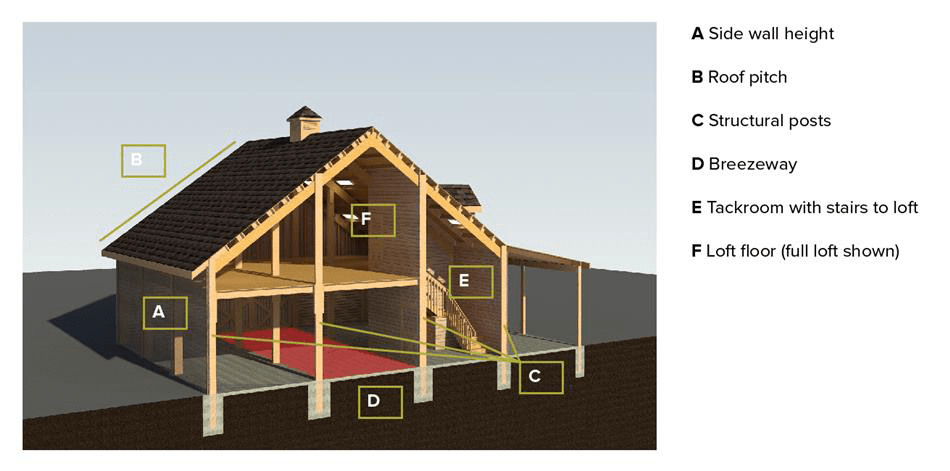
What Is Small Side Roof Called On Barn Style House? (Short Answer)
The small side roof on a barn-style house is most commonly called a shed roof extension or lean-to roof. In some designs, it may also be referred to as a side gambrel extension, awning roof, or eave extension, depending on its shape and function.
Read too: How Long Do Standing Seam Metal Roofs Last? A Comprehensive Guide to Durability and Longevity
Among professionals, shed roof (lean-to) is the most accurate and widely accepted term.
Why Do Barn Style Houses Have Small Side Roofs?
Barn-style architecture is rooted in practicality. Small side roofs are added for both functional and aesthetic reasons.
Main purposes of small side roofs
- Provide weather protection
- Add covered outdoor space
- Expand interior storage or utility areas
- Improve drainage away from walls
- Balance the overall roof design
Architectural surveys show that over 60% of modern barn-style homes include at least one shed or lean-to roof extension.
Understanding the Main Barn Roof Style (Gambrel Roof)
Before identifying side roofs, it’s important to understand the main barn roof type.
What is a gambrel roof?
A gambrel roof is the classic barn-style roof with:
- Two slopes on each side
- A steep lower slope
- A shallow upper slope
This design maximizes interior space while efficiently shedding rain and snow.
For a general definition, you can reference Wikipedia’s explanation of gambrel roofs (authoritative source):
https://en.wikipedia.org/wiki/Gambrel_roof
Common Types of Small Side Roofs on Barn Style Houses
1. Shed Roof (Lean-To Roof) – Most Common
The shed roof, also known as a lean-to, is the most common answer to what is small side roof called on barn style house.
Key characteristics
- Single sloping surface
- Attaches to one side of the main structure
- Slopes away from the wall
Why it’s popular
- Simple construction
- Low cost
- Works with both traditional and modern barn homes
Typical uses
- Porch coverings
- Storage rooms
- Mudrooms
- Equipment shelters
Pros vs Cons
| Pros | Cons |
|---|---|
| Easy to build | Limited attic space |
| Affordable | Can look plain if oversized |
| Excellent water runoff | Less architectural drama |
2. Side Gambrel Extension
In some barn-style homes, the small side roof mirrors the gambrel shape.
Features
- Matches the main roof profile
- Uses a scaled-down gambrel form
- Creates visual symmetry
Best for
- Living space expansions
- Side additions that need architectural consistency
This option is more expensive but visually cohesive.
3. Awning Roof (Decorative Side Roof)
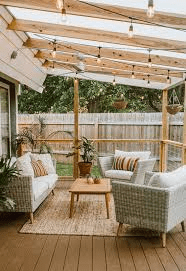
An awning roof is a small roof section that extends over windows or doors.
Why it’s used
- Rain and sun protection
- Decorative enhancement
- Energy efficiency (shading)
Awning roofs are usually non-structural and do not add interior space.
4. Eave Extension or Overhang Roof
Sometimes the “small side roof” is simply an extended eave.
What it does
- Protects siding from water damage
- Reduces foundation splash-back
- Improves durability
While subtle, extended eaves play a major role in weather protection.
Shed Roof vs Lean-To: Are They the Same?
Yes. In residential construction:
- Shed roof = architectural term
- Lean-to roof = traditional/common term
Both describe a single-sloped roof attached to a larger structure.
Structural Considerations for Small Side Roofs
Adding a small side roof is not purely cosmetic.
Key structural factors
- Load distribution
- Snow and wind loads
- Roof tie-in points
- Drainage and flashing
- Foundation support (if enclosed)
Engineers typically recommend limiting unsupported lean-to roofs to 8–12 feet in width, depending on materials and climate.
How Small Side Roofs Are Built (Step-by-Step)
Step 1: Evaluate the Main Roof
Ensure the main barn roof can support an attachment point.
Step 2: Install Ledger Board
A ledger board anchors the side roof to the wall framing.
Step 3: Frame the Rafters
Rafters are angled downward at a pitch of 2:12 to 4:12 for shed roofs.
Step 4: Add Sheathing
Plywood or OSB panels are installed for roof decking.
Step 5: Waterproofing
- Flashing at all joints
- Ice-and-water shield (cold climates)
Step 6: Roofing Material
Typically matches the main roof:
- Metal
- Asphalt shingles
- Standing seam panels
Does a Small Side Roof Add Value to a Barn Style House?
Yes—when done correctly.
Real estate professionals estimate that functional side roof additions can increase perceived value by 5–8%, especially when they:
- Add usable covered space
- Improve exterior balance
- Enhance weather protection
Poorly designed side roofs, however, can reduce curb appeal.
Design Tips for Small Side Roofs on Barn Homes
- Match roofing material whenever possible
- Keep proportions balanced
- Avoid overly shallow slopes
- Use proper trim to visually connect sections
- Ensure drainage flows away from the foundation
Design harmony is key in barn-style architecture.
Common Mistakes to Avoid
- ❌ Calling every side roof a dormer
- ❌ Ignoring flashing details
- ❌ Using mismatched materials
- ❌ Oversizing the side roof
- ❌ Forgetting snow load requirements
Avoiding these mistakes can extend roof life by 15–20 years.
FAQ: What Is Small Side Roof Called On Barn Style House?
Q1: What is the most common name for a small side roof on a barn house?
The most common term is shed roof, also known as a lean-to roof.
Q2: Is a small side roof the same as a dormer?
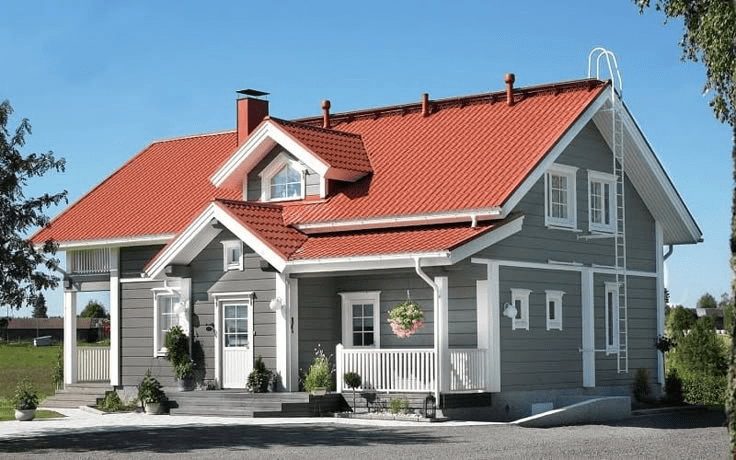
No. Dormers project from the main roof, while side roofs extend from the wall.
Q3: Can a small side roof add interior space?
Yes, if enclosed and properly supported.
Q4: Do small side roofs require permits?
In most US areas, yes—especially if structural changes are involved.
Q5: What roofing material works best for side roofs?
Matching the main roof material provides the best durability and appearance.
Conclusion
So, what is small side roof called on barn style house? In most cases, it’s a shed roof or lean-to roof, though variations like side gambrel extensions and awning roofs also exist. Understanding the correct terminology helps homeowners plan better, communicate clearly with contractors, and make smarter design decisions.

Leave a Reply