Choosing the right roof pitch is one of the most important decisions when building or renovating a home in a tropical country. Many homeowners ask what is the best roof pitch for house in Philippines because the wrong slope can lead to leaks, heat buildup, or serious storm damage. This guide explains the best roof pitch for Philippine conditions—clearly, practically, and backed by real-world building experience.
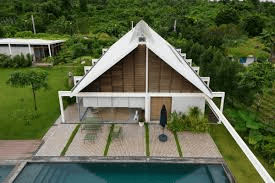
Why Roof Pitch Is Critical in the Philippines
The Philippines has one of the most challenging climates for roofing in the world.
Read too: How Long Do Standing Seam Metal Roofs Last? A Comprehensive Guide to Durability and Longevity
Key Climate Factors Affecting Roof Pitch
- Heavy rainfall year-round
- Strong typhoons and wind uplift
- High humidity
- Intense sun and heat
According to climate data summarized on Wikipedia, the country experiences 20+ typhoons annually, with extreme rainfall and wind speeds that can easily damage poorly designed roofs.
Roof pitch directly affects:
- Water drainage speed
- Wind resistance
- Roof material lifespan
- Indoor heat management
What Is Roof Pitch? (Simple Explanation)
Roof pitch describes how steep your roof is.
It is commonly expressed as:
- Ratio (example: 4:12)
- Angle in degrees
- Percentage slope
Example
A 4:12 pitch means:
- The roof rises 4 inches for every 12 inches of horizontal run
Steeper pitch = faster water runoff
Flatter pitch = cheaper, but riskier in tropical climates
What Is The Best Roof Pitch For House In Philippines? (Short Answer)
For most residential homes in the Philippines, the best roof pitch is between 25° and 35°, or approximately 5:12 to 7:12.
This range offers the best balance of:
- Rainwater drainage
- Wind resistance
- Structural safety
- Cost efficiency
Recommended Roof Pitch Ranges for Philippine Homes
Ideal Roof Pitch by Performance
| Roof Pitch | Degree | Performance |
|---|---|---|
| 3:12 | ~14° | Not recommended (too flat) |
| 4:12 | ~18° | Minimum acceptable |
| 5:12 | ~22° | Good |
| 6:12 | ~26° | Best overall |
| 7:12 | ~30° | Excellent |
| 8:12+ | 33°+ | Very good but higher cost |
📌 Best practical range: 6:12 to 7:12
Why Steeper Roof Pitch Works Better in the Philippines
1. Faster Rainwater Drainage
Heavy rain can overwhelm shallow roofs.
A steeper roof:
- Prevents standing water
- Reduces leaks and seepage
- Protects ceilings and insulation
💡 Faster drainage = longer roof lifespan
2. Better Typhoon Wind Performance
Contrary to popular belief, moderately steep roofs perform better in storms than flat roofs.
Why?
- Wind flows over the roof instead of lifting it
- Less pressure buildup underneath
- Lower risk of panel detachment
Engineering studies show roofs between 25°–35° handle wind uplift more effectively than flat or very steep roofs.
3. Improved Heat Control
Steeper roofs allow:
- Larger attic space
- Better airflow
- Reduced heat transfer to living areas
This is especially important in Philippine temperatures averaging 26–34°C (79–93°F).
Best Roof Pitch Based on Roofing Material
Metal Roofing (Most Common in Philippines)
- Recommended pitch: 5:12 to 7:12
- Prevents water backflow
- Reduces panel vibration during storms
⚠️ Flat metal roofs are prone to leaks in tropical rain.
Concrete or Clay Tiles
- Recommended pitch: 6:12 to 8:12
- Heavy material needs strong drainage
- Lower risk of water penetration
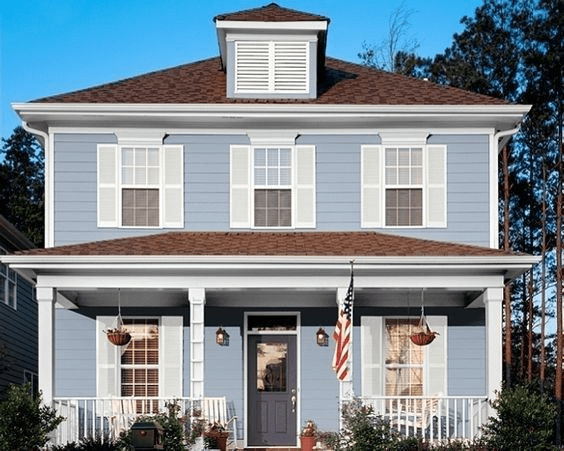
Asphalt Shingles
- Minimum pitch: 4:12
- Best pitch: 6:12 or higher
- Less common due to heat retention
Roof Pitch vs Cost: What You Should Know
Steeper roofs cost more—but save money long-term.
Cost Factors
- More materials required
- Increased labor cost
- Stronger framing needed
Long-Term Savings
- Fewer leaks
- Less maintenance
- Longer roof lifespan
📊 Builders report that roofs with proper pitch last 30–50% longer in tropical climates.
Pros and Cons of Different Roof Pitches
Low Pitch Roof (Below 4:12)
Pros
- Lower construction cost
- Modern appearance
Cons
- Poor drainage
- High leak risk
- Not typhoon-friendly
Medium Pitch Roof (5:12–7:12)
Pros
- Best drainage balance
- Excellent storm performance
- Ideal for Philippine climate
Cons
- Slightly higher cost
✅ Best overall choice
High Pitch Roof (8:12 and above)
Pros
- Very fast drainage
- Dramatic architectural style
- Cooler attic
Cons
- Higher construction cost
- More difficult maintenance
Step-by-Step: How to Choose the Right Roof Pitch in the Philippines
Step 1: Identify Your Location
Coastal areas need better wind performance.
Step 2: Choose Roofing Material
Metal and tile require different slopes.
Step 3: Consider Rainfall Intensity
Regions with heavier rainfall benefit from steeper pitch.
Step 4: Review Budget
Aim for 6:12 as the best cost-performance ratio.
Step 5: Consult Local Builders
Local experience matters more than generic advice.
Common Roof Pitch Mistakes in the Philippines
- ❌ Using flat roofs for modern design
- ❌ Ignoring wind uplift during typhoons
- ❌ Choosing slope based on looks only
- ❌ Not accounting for water runoff volume
These mistakes often lead to early roof failure.
Does Roof Pitch Affect Building Codes in the Philippines?
Local building regulations vary by municipality, but most require:
- Adequate drainage design
- Secure roof anchoring
- Typhoon-resistant framing
Always check with your local building office before finalizing plans.
FAQ: What Is The Best Roof Pitch For House In Philippines
Q1: What is the minimum roof pitch recommended in the Philippines?
The minimum practical pitch is 4:12, but 5:12 or higher is strongly recommended.
Q2: Is flat roofing a good idea in the Philippines?
Generally no. Flat roofs are prone to leaks, heat buildup, and storm damage.
Q3: What roof pitch is best for metal roofs in the Philippines?
A pitch between 5:12 and 7:12 provides the best drainage and wind resistance.
Q4: Does steeper roof pitch reduce heat inside the house?
Yes. It allows better airflow and ventilation, lowering indoor temperatures.
Q5: What roof pitch handles typhoons best?
Moderate slopes around 25°–35° (6:12–7:12) perform best against strong winds.
Conclusion
So, what is the best roof pitch for house in Philippines? For most homes, a 6:12 to 7:12 roof pitch offers the ideal balance of rain protection, typhoon resistance, heat control, and long-term durability. While steeper roofs cost slightly more upfront, they save homeowners from costly repairs and discomfort later.
If this guide helped you, share it on social media to help other homeowners build safer, stronger homes in the Philippines 🏠🌧️💨
Leave a Reply