Many homeowners and builders ask “What Is The Standard Pitch Of A House Roof?” when planning construction, installing shingles, or replacing roofing materials. Roof pitch affects drainage, durability, and the overall design of your home.
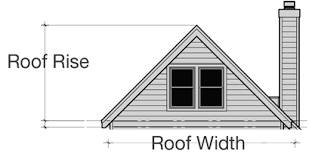
The pitch of a roof refers to how steep the roof is. In residential construction, there are common pitch ranges considered standard. In this guide, we’ll explain what roof pitch means, typical roof pitch ratios, and how to measure it accurately.
What Is The Standard Pitch Of A House Roof?
The standard pitch of a house roof typically ranges between 4:12 and 9:12.
This means the roof rises 4 to 9 inches vertically for every 12 inches horizontally.
Typical Residential Roof Pitch
| Roof Pitch | Description |
|---|---|
| 2:12 – 3:12 | Low slope |
| 4:12 – 6:12 | Standard residential pitch |
| 7:12 – 9:12 | Steep residential roof |
| 10:12+ | Very steep roof |
The most common pitch used in modern homes is 6:12, which offers a good balance of appearance, drainage, and structural stability.
Read too: Hail Damage Roof Repair: Essential Guide to Restoring Your Home’s Protection
Roof pitch is an important element of building design because it affects drainage, material compatibility, and structural strength. For additional technical background, see:
https://en.wikipedia.org/wiki/Roof_pitch
What Does Roof Pitch Mean?
Roof pitch describes the angle or steepness of a roof.
It is usually expressed as a ratio.
Example: 6:12 Pitch
- roof rises 6 inches vertically
- for every 12 inches horizontally
This ratio helps builders calculate:
- roof framing
- material requirements
- drainage capability
The steeper the pitch, the faster water and snow will slide off the roof.
Why Roof Pitch Matters
Roof pitch is not just about appearance. It directly affects the performance of the roof.
Key Reasons Roof Pitch Is Important
- proper rainwater drainage
- snow load management
- ventilation efficiency
- roofing material compatibility
- structural stability
Homes in snowy regions often have steeper roof pitches to prevent snow accumulation.
Most Common Roof Pitch for Houses
Across the United States, the most frequently used residential roof pitch is 6:12.
Why 6:12 Is Popular
- balanced slope for drainage
- visually appealing roofline
- compatible with most roofing materials
- manageable installation difficulty
Many contractors consider 6:12 the ideal standard roof pitch.
Roof Pitch and Roofing Material Compatibility
Different roofing materials require specific minimum roof pitches.
Roofing Material Requirements
| Roofing Material | Minimum Pitch |
|---|---|
| Asphalt shingles | 4:12 |
| Metal roofing | 3:12 |
| Clay tiles | 4:12 |
| Wood shingles | 4:12 |
| Rolled roofing | 2:12 |
Using the correct pitch ensures the roof performs properly.
Low-pitch roofs may require special waterproof membranes.
Types of Roof Pitch Categories
Roof pitches generally fall into three categories.
Low-Slope Roofs
Low-slope roofs typically range from 2:12 to 3:12.
Characteristics
- nearly flat appearance
- common in modern architecture
- requires waterproof membranes
Low slopes are popular for contemporary home designs.
Standard Residential Roof Pitch
This range usually falls between 4:12 and 9:12.
Advantages
- good water drainage
- wide material compatibility
- moderate construction difficulty
Most suburban homes use this pitch range.
Steep Roof Pitch
Steep roofs start at 10:12 or higher.
Benefits
- excellent snow shedding
- dramatic architectural appearance
- improved attic space
However, steep roofs are more expensive to build and maintain.
How to Measure Roof Pitch
Homeowners can measure roof pitch using simple tools.
Tools Needed
- level (12-inch or 24-inch)
- tape measure
- ladder
Step 1: Place the Level Horizontally
Place the level against the roof surface.
Ensure it remains completely horizontal.
Step 2: Measure the Vertical Rise
Measure from the roof surface up to the bottom of the level.
This measurement represents the rise.
Step 3: Calculate the Ratio
If the rise is 6 inches over a 12-inch run, the pitch is 6:12.
This simple method provides an accurate pitch measurement.
Roof Pitch and Climate Considerations
Roof pitch should match regional weather conditions.
Recommended Roof Pitch by Climate
| Climate | Recommended Pitch |
|---|---|
| Heavy snow | 8:12 – 12:12 |
| Moderate rain | 4:12 – 6:12 |
| Dry climates | 3:12 – 5:12 |
| Tropical areas | 5:12 – 8:12 |
Choosing the right pitch helps prevent water damage.
Advantages vs Disadvantages of Different Roof Pitches
Advantages of Steeper Roofs
- faster rain drainage
- better snow shedding
- improved attic ventilation
Disadvantages of Steeper Roofs
- higher construction costs
- more difficult repairs
- increased labor requirements
Moderate roof pitches often provide the best balance.
Roof Pitch and Construction Costs
Roof pitch directly impacts building costs.
Cost Factors
- labor difficulty
- safety requirements
- material quantities
- roof framing complexity
Steeper roofs require more materials and additional safety equipment.
As a result, construction costs increase.
Tips for Choosing the Right Roof Pitch
When designing or replacing a roof, consider these factors.
Important Considerations
- local climate conditions
- architectural style
- roofing materials
- building codes
Consulting with a roofing contractor helps ensure the correct pitch.
FAQ – What Is The Standard Pitch Of A House Roof
What is the standard pitch of a house roof?
The standard roof pitch usually ranges from 4:12 to 9:12, with 6:12 being the most common.
What does a 6:12 roof pitch mean?
It means the roof rises 6 inches vertically for every 12 inches horizontally.
What is considered a low-pitch roof?
A roof with a pitch between 2:12 and 3:12 is considered low slope.
What roof pitch is best for snow?
Steeper pitches like 8:12 or higher help snow slide off easily.
Can asphalt shingles be used on low-pitch roofs?
Yes, but most manufacturers require a minimum pitch of 4:12.
Does roof pitch affect construction cost?
Yes. Steeper roofs require more materials and labor, increasing overall costs.
Conclusion
Understanding What Is The Standard Pitch Of A House Roof helps homeowners make better decisions when designing, repairing, or replacing their roof.
Most residential roofs use a pitch between 4:12 and 9:12, with 6:12 being the most common and practical choice. This range provides efficient drainage, structural stability, and compatibility with most roofing materials.
By considering climate, roofing materials, and architectural style, homeowners can choose a roof pitch that balances performance, durability, and appearance.
If you found this guide helpful, consider sharing it on social media so other homeowners can learn more about roof pitch and roofing design.
Leave a Reply