If you own a ranch-style home or are planning a roof replacement, you’ve likely asked what is the typical pitch of a ranch house roof. Roof pitch affects drainage, material choice, installation cost, and long-term durability. Understanding the standard pitch used on ranch homes helps you avoid costly mistakes and choose the right roofing solution for your climate and budget.
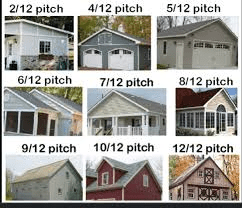
What Is The Typical Pitch Of A Ranch House Roof?
The typical pitch of a ranch house roof is 4:12, meaning the roof rises 4 inches for every 12 inches of horizontal run.
Read too: Is It Reasonable to Ask the Seller to Replace the Roof?
Common Pitch Range for Ranch Homes
Most ranch-style houses fall within this range:
- 3:12 (low end)
- 4:12 (most common standard)
- 5:12 to 6:12 (less common, often newer or remodeled homes)
In degrees, a 4:12 roof equals approximately 18.4°, which is considered a low-to-moderate slope.
Why Ranch Houses Typically Have Low-Pitch Roofs
Ranch homes originated in the United States in the mid-20th century, designed for practicality, affordability, and easy living.
Key Design Reasons
- Horizontal emphasis: Ranch homes are long and low, and a shallow roof complements this look
- Lower construction costs: Less material and faster installation
- Ease of maintenance: Safer to walk on compared to steep roofs
- Single-story efficiency: Works well with wide floor plans
The low roof pitch is not a flaw—it’s a defining feature of the ranch style.
Typical Ranch Roof Pitch by Era and Region
Not all ranch houses are exactly the same. Pitch can vary slightly based on when and where the home was built.
| Era / Region | Common Pitch |
|---|---|
| 1950s–1970s classic ranch | 3:12 – 4:12 |
| Modern ranch homes | 4:12 – 6:12 |
| Snowy climates | 5:12 – 6:12 |
| Dry, warm climates | 3:12 – 4:12 |
👉 4:12 remains the most widely used and recognized standard.
Is a Ranch House Roof Considered Low-Slope?
Yes—but it’s not flat.
Roof Pitch Classifications
- Flat roofs: 0:12 – 1:12
- Low-slope roofs: 2:12 – 4:12
- Conventional slope roofs: 4:12 – 9:12
Most ranch homes sit right at the transition point, making them flexible for many roofing materials.
How Roof Pitch Affects Ranch Home Performance
Roof pitch influences more than just appearance.
1. Drainage and Water Control
- Rainwater drains effectively at 4:12 when installed correctly
- Snow sheds slower than on steep roofs
- Requires quality underlayment and flashing
2. Energy Efficiency
- Smaller attic volume reduces heat loss
- Easier to insulate evenly
- Works well with modern ventilation systems
3. Maintenance and Safety
- Lower risk for roofers and DIY repairs
- Reduced labor costs over time
Best Roofing Materials for Typical Ranch Roof Pitch
Because ranch roofs are relatively shallow, not all materials perform equally well.
Recommended Roofing Materials
- Asphalt shingles (most common and cost-effective)
- Architectural shingles (better wind resistance)
- Standing seam metal roofing
- Modified bitumen or membrane systems (for 3:12 roofs)
Materials to Avoid
- Clay or concrete tiles (require steeper slopes)
- Slate (heavy and slope-sensitive)
Asphalt shingles dominate because they are rated for slopes as low as 3:12 with proper installation.
Cost Impact of a Typical Ranch Roof Pitch
One major advantage of ranch roofs is affordability.
Why Ranch Roofs Cost Less
- Less roofing material required
- Faster installation
- Lower labor risk premiums
- Easier access for repairs
On average, replacing a ranch house roof costs 10–20% less than replacing a roof on a steep-pitched home of similar size.
Ranch Roof Pitch vs Other Home Styles
Understanding how ranch roofs compare to other styles puts the pitch into context.
| Home Style | Typical Roof Pitch |
|---|---|
| Ranch House | 3:12 – 6:12 |
| Colonial | 6:12 – 9:12 |
| Cape Cod | 8:12 – 12:12 |
| A-Frame | 12:12 – 18:12 |
| Modern Flat Roof | 1:12 – 2:12 |
Ranch roofs are intentionally less steep to emphasize simplicity and cost-efficiency.
Climate Considerations for Ranch House Roof Pitch
Climate plays a key role in determining whether the standard pitch is ideal.
Warm & Dry Climates
- 3:12–4:12 performs very well
- Minimal snow concerns
Rainy Regions
- 4:12 preferred for better runoff
- High-quality underlayment essential
Snowy Climates
- 5:12–6:12 helps reduce snow buildup
- Ice-and-water shield strongly recommended
Many northern ranch homes were later modified with slightly steeper pitches to handle snow loads.
How Builders Measure and Calculate Roof Pitch
Roof pitch is simple to measure or calculate.
Step-by-Step Pitch Measurement
- Measure 12 inches horizontally on the roof (run)
- Measure vertical rise at that point
- Express as a ratio (e.g., 4 inches rise = 4:12)
- Confirm material compatibility
- Design drainage and ventilation accordingly
This measurement affects truss design, attic space, and roofing system selection.
Pros and Cons of the Typical Ranch House Roof Pitch
Advantages
- Lower construction and replacement costs
- Easier roof access and maintenance
- Clean, classic appearance
- Efficient material usage
Disadvantages
- Slower snow shedding
- Less attic headroom
- Greater reliance on waterproofing quality
For most homeowners, the advantages far outweigh the drawbacks.
Common Mistakes Homeowners Make With Ranch Roofs
Avoid these frequent issues:
- Using roofing materials not rated for low slopes
- Skipping ice-and-water barriers
- Poor flashing installation around penetrations
- Blocking attic ventilation
Low-slope roofs demand precision, even though they look simple.
Building Codes and Ranch Roof Pitch
Most U.S. building codes allow roof pitches as low as 3:12 for residential homes, provided:
- Approved underlayment is used
- Roofing materials are slope-rated
- Drainage is properly designed
For general background on roof structures and pitch concepts, you can refer to:
https://en.wikipedia.org/wiki/Roof
(This link is included for general educational context only.)
FAQ: What Is The Typical Pitch Of A Ranch House Roof?
Frequently Asked Questions
Q1: What is the most common roof pitch for a ranch house?
A: 4:12 is the most typical and widely used pitch.
Q2: Is a ranch house roof considered low slope?
A: Yes. Most ranch roofs fall in the low-to-moderate slope category.
Q3: Can a ranch house have a steeper roof?
A: Yes. Modern or remodeled ranch homes may use 5:12 or 6:12 pitches.
Q4: What roofing material works best on ranch roofs?
A: Asphalt shingles are the most popular and cost-effective option.
Q5: Does roof pitch affect ranch house value?
A: Indirectly. Proper pitch and drainage improve durability, which supports resale value.
Conclusion: The Practical Roof Pitch Behind Ranch Homes
So, what is the typical pitch of a ranch house roof? In most cases, it’s 4:12, with acceptable variations between 3:12 and 6:12 depending on climate, era, and design updates. This low-to-moderate pitch is a defining characteristic of ranch-style homes, offering affordability, ease of maintenance, and timeless appeal.
If this guide helped you better understand ranch roof design, share it on social media to help other homeowners make confident roofing decisions.
Leave a Reply